



Category
Lifestyle
Assisted Choices
Clothing and laundry brands aim to reduce microfiber pollution.


Trend
Microfiber Reduction: Brands in fashion and laundry-related industries are now focusing on microfiber pollution reduction–which has enormous consequences on aquatic life in particular. This shift comes with consumers slowly changing their consumption habits to reduce their environmental impact, with some brands hoping to guide them in this process.
Insight
For consumers, it can be difficult to determine how much they can reduce their carbon footprint with habitual changes. Outside of more known issues like disposable plastic use, fast fashion and general shopping habits can have implications for the environment in lesser-known ways. In many cases, consumers prefer that brands take the lead in informing and providing the tools for environmental harm-reduction.
Trend themes
Brands in fashion and laundry-related industries are now focusing on microfiber pollution as consumers slowly change their consumption habits, with some brands hoping to guide them in this process.
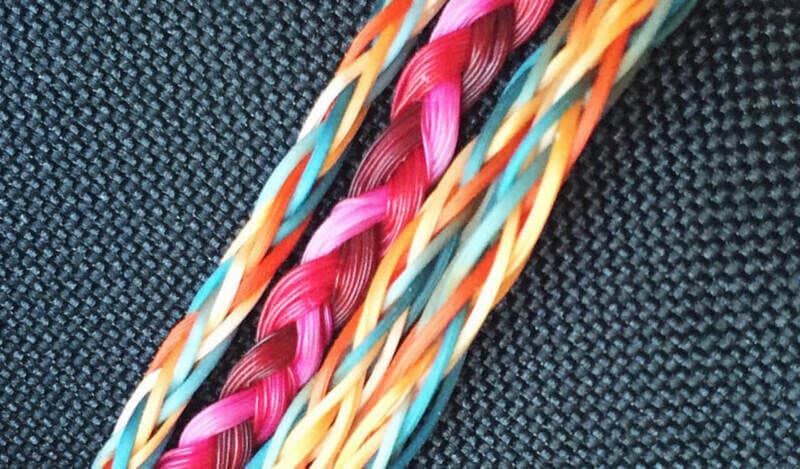
Companies like Mango Materials are using waste methane to create biodegradable fibers that can be used for clothing, aiming to address the environmental impact of fast fashion and microfibers.
Brands like Icebreaker are creating odor-resistant clothing made from natural fibers that last longer in between washes, reducing water usage and microfiber pollution.
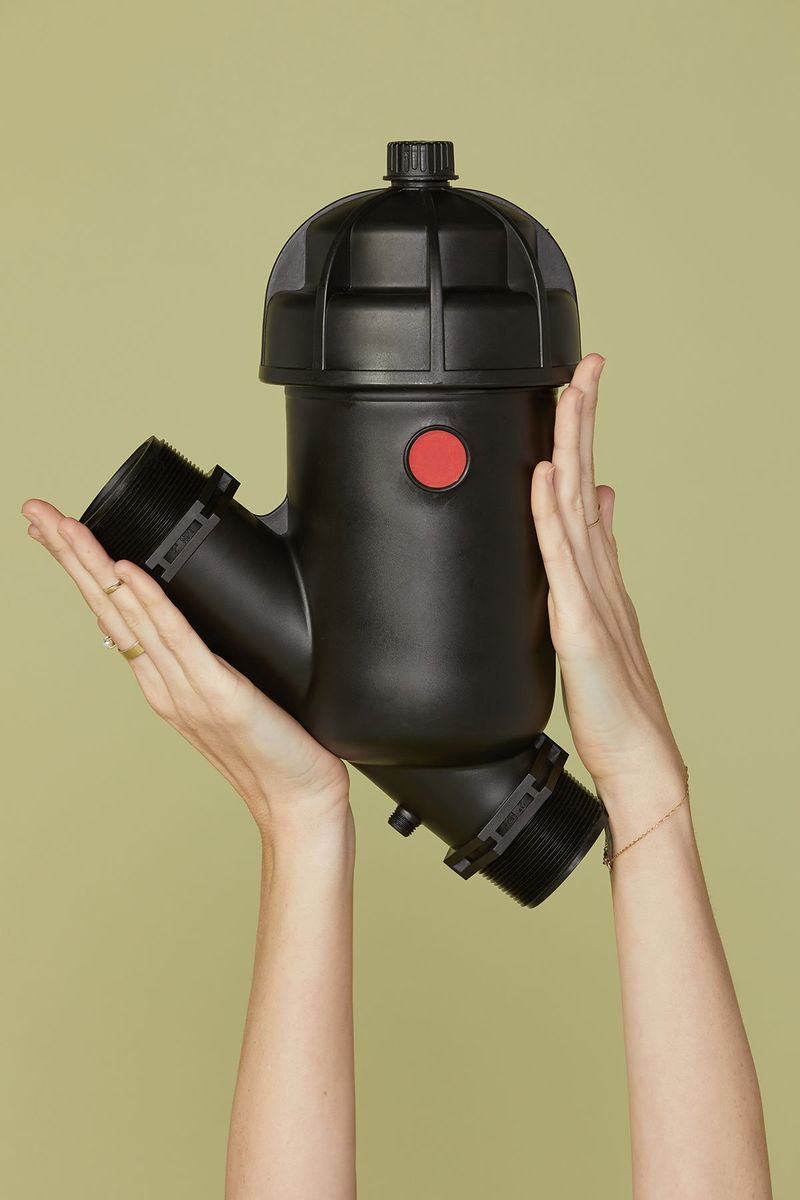
Companies like Girlfriend Collective are creating non-apparel laundry products, such as microfiber filters, that can be installed to reduce the output of microfibers in the water stream.
Industry implications
As more consumers become environmentally conscious, fashion brands need to focus on sustainable practices and materials to address issues like microfiber pollution.
related industries should focus on creating products that reduce the output of microfibers during washing, such as filters or eco-friendly detergents.
Companies in the waste management industry can collaborate with fashion and laundry-related industries to develop eco-friendly solutions for reducing microfiber pollution and reducing textile waste.
Workshop question
Trend signals
Trend score 3.2 out of 10, from popularity 56%, activity 31%, freshness 8%.
Evidence
Startup Mango Materials is Developing Biodegradable Fibers
The textile industry can explore the utilization of waste methane to create biodegradable fibers and reduce pollution caused by traditional production methods.
Cora Ball is Fighting the Microfiber Pollution Created by Our Clothes
The apparel manufacturing industry has the potential to embrace disruptive innovations that address the issue of plastic microfibers in clothing.
Icebreaker Launches Odorless T-shirts You Can Wear 7 Days Straight
Icebreaker's odor-resistant t-shirts disrupt the clothing industry by reducing water consumption and decreasing plastic microfiber pollution.
Girlfriend Collective's Microfiber Filter Reduces Microfiber Pollution
The activewear industry can tap into the demand for eco-friendly clothing materials and develop products like microfiber filters to meet the growing need for sustainable fashion.






