Category
Business
Assisted Conversion
New business models for on-campus meal plans deliver heightened quality.

Trend
Automated Meal Plan: Increasingly, food service providers are shifting their business models to better leverage emerging technology and automation to supercharge college meal plans. These new business models speak to an area of opportunity that not only fulfills what students want, but also overcomes common logistical challenges that come with preparing affordable food at an industrial level.
Insight
Gen Z and Millennials consumers are accustomed to automated convenience in the products and services they use. Retail channels that leverage automation often provide shorter lines and quicker service, appealing to busy consumers balancing both work and school who are trying to find time to enjoy a nutritious meal.
Trend themes
Food service providers are shifting towards automation to supercharge meal plans and provide affordable, nutritious options for busy students and consumers.
Colleges are redesigning their food offerings to appeal to a health and environment-conscious Generation Z, with plant-forward meals and sustainable sourcing.
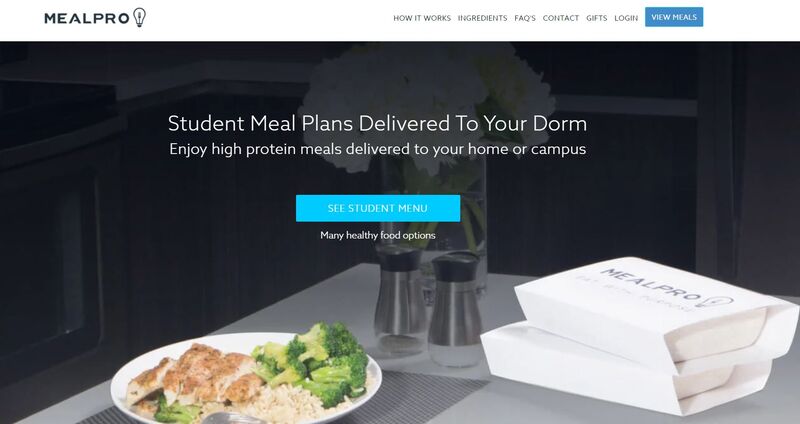
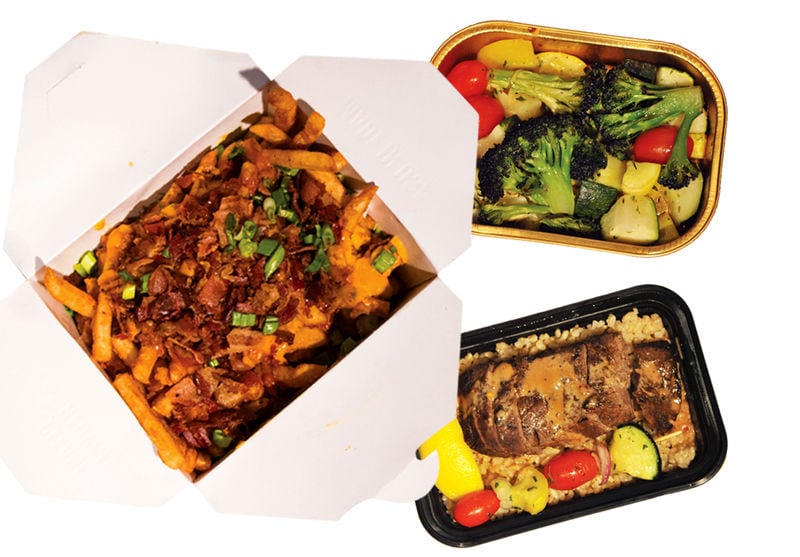
Convenient and reasonably priced meal delivery services, like Mealpro, are providing students and busy consumers with pre-cooked meals that prioritize health and quality ingredients.
Industry implications
Companies in the food service industry can explore automation and plant-forward menu options to appeal to health and environment-conscious consumers.
The meal delivery industry can capitalize on the demand for healthy and convenient meal options for busy students and consumers who prioritize health and quality ingredients.
Companies in the home meal kit industry can provide meal kits filled by loved ones with homemade dishes, for a personalized and healthy meal delivery option.
Workshop question
Trend signals
Trend score 3.9 out of 10, from popularity 62%, activity 47%, freshness 9%.
Evidence
Mealpro Delivers Health-Conscious Meal Plans to One's Door
The healthy meal delivery service provided by Mealpro represents an opportunity for disruptive innovation in the food delivery industry.
Good Uncle's Offerings Can Complement Students' Existing Meal Plans
Disruptive innovation opportunity: Use automation and robotics to create a cost-effective and efficient food delivery service specifically targeted at college and university campu…
From Home With Love Lets Parents Send Homemade Meals to Their Kids
The food delivery industry, including big players and startups, can explore homemade meal delivery options to expand their service offerings.
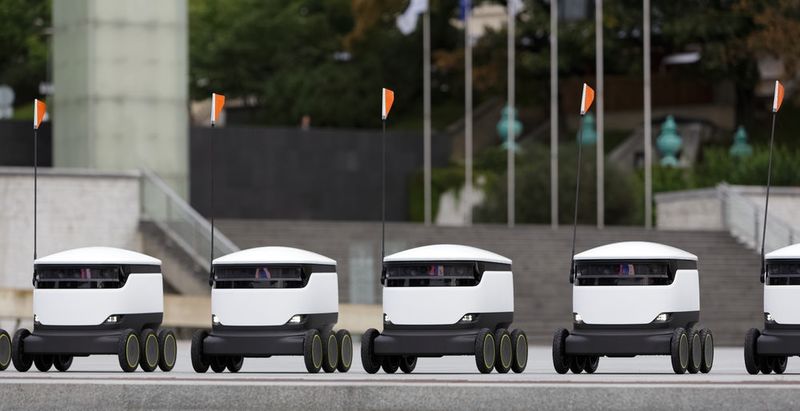
These Autonomous Robots Deliver Food to Hungry University Students
The integration of autonomous food delivery robots offers a disruptive innovation opportunity in the food delivery industry.
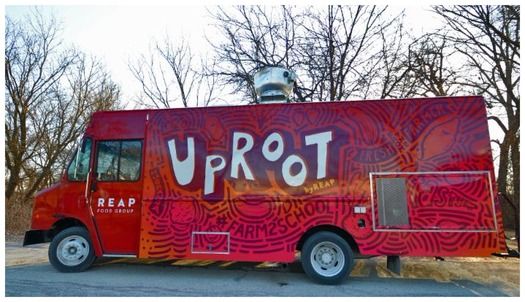
Uproot is Bringing Locally Sourced Meals to High School Students
Disruptive innovation opportunity: Transform traditional cafeteria offerings in various food service settings by incorporating locally sourced and healthier menu options.
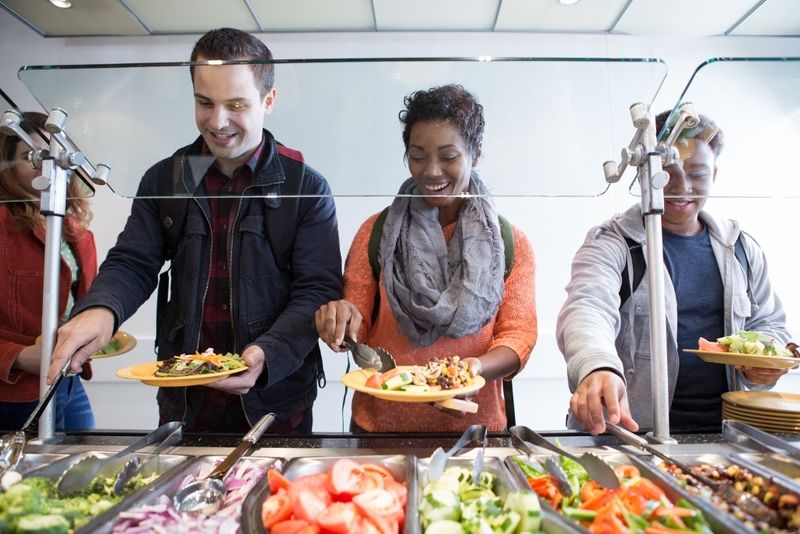
Aramark is Redesigning Its Offerings to Appeal to Generation Z
Food service providers can adopt eco-friendly initiatives and incorporate plant-based options to appeal to a growing demographic of environmentally conscious consumers.