
Category
Business
Occasion Commerce
Retail AI is moving from product discovery into checkout flow.

Trend
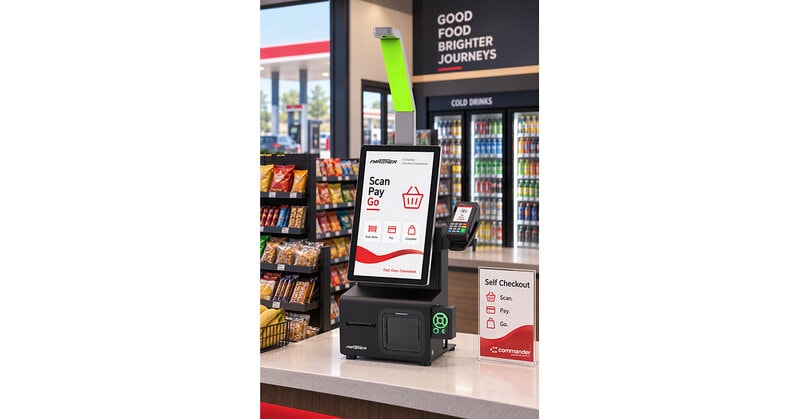
Assisted Conversion: Retail AI is being embedded deeper into the in-store buying journey by combining item recognition, guided decision support, and transaction handling at the point of purchase. In this context, artificial intelligence-powered systems are now helping shoppers move from product finding to selection and payment in one connected flow.
Trigger
Physical retail environments put pressure on speed and mental effort, often causing individuals to feel rushed and overwhelmed during their shopping trip. As consumers narrow down their product options, make purchasing decisions, and go through checkout, they appreciate having the choice to opt for different types of in-store assistance based on their mood, social battery, and the level of support needed. Many enjoy the convenience of automated in-store processes, especially when the technology is intuitive, easy to navigate, and provides genuine support rather than impeding their agency.
Workshop question
Trajectory
Latest reading 6.2 for the week of Oct 5, 2026. Holding over the final 3 scored weeks (±0.0), at its peak of 6.2. Momentum 2.4/10, persistence 2.5/10, backed by 4 research findings.
Evidence
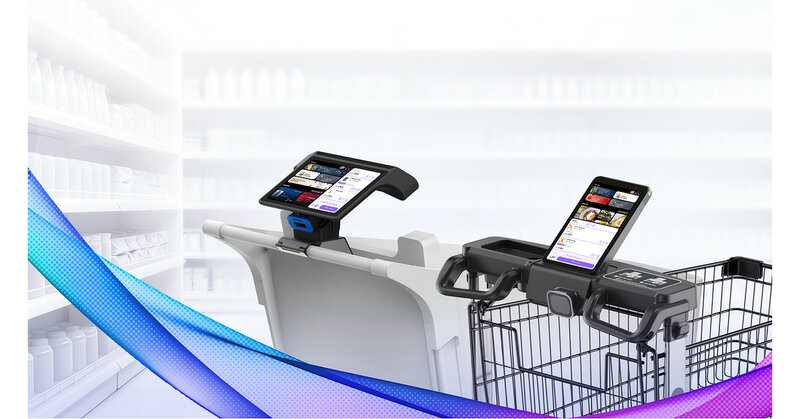
Hanshow Introduces Its Smart Cart Solution
Supermarkets gain opportunities to blend product discovery, basket-building and payment into a more data-rich physical shopping experience.
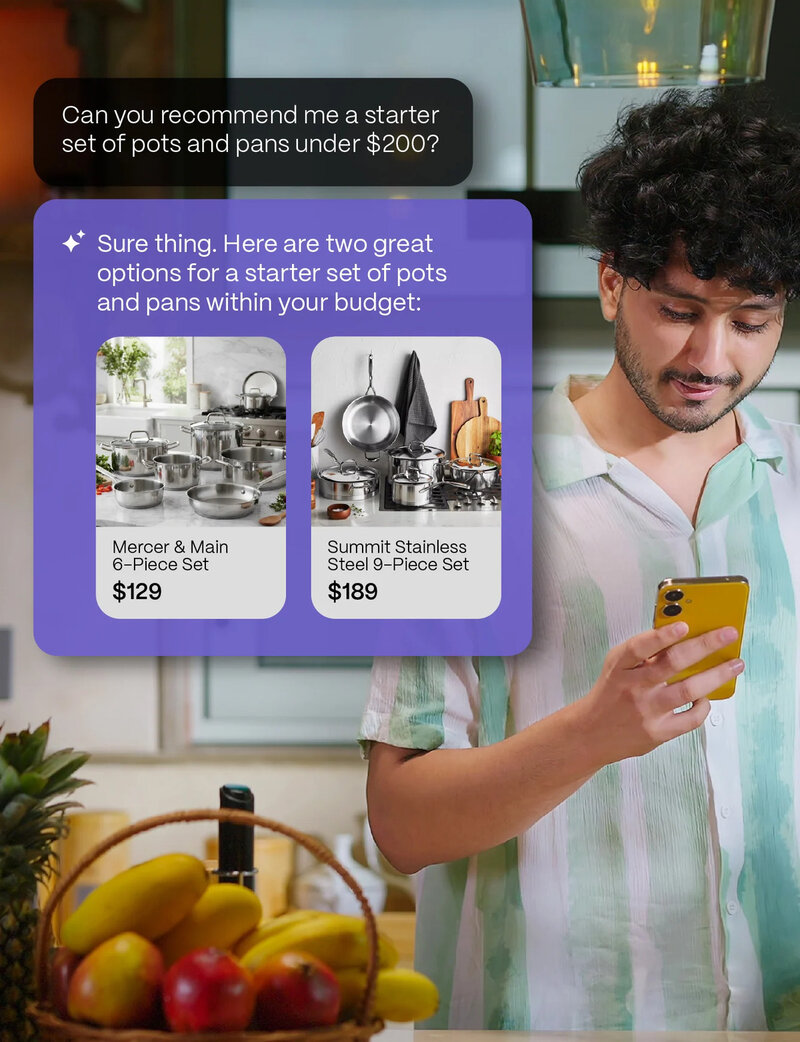
Constructor Lets Shoppers Pay Inside the AI Shopping Agent
Online retailers can differentiate through unified shopping agents that merge browsing, decision support, and checkout into a seamless path.
Partner Tech Certifies Its Lanes for Verifone Commander
Integrated AI checkout platforms reshape store operations by merging point-of-sale connectivity, transaction intelligence, and security into one terminal experience.
The Very Group Has Tailored Offers with Made With Intent
Online retailers can use intent-aware engines to individualize discounts, financing prompts, and product messaging during active shopping sessions.
5 Trend Hunter articles were grouped into the wider weekly cluster this trend was identified in, over 2 weeks.
Research
Commerce Co-Pilot
Shoppers increasingly want help sorting abundance, but not by manually browsing endless options.
AI commerce tools matter because they promise faster relevance, better fit, and less cognitive work, turning personalization into a background service rather than a flashy front-end gimmick.
Copilot Commerce
Consumers will accept AI when it helps them narrow choices, compare options, and save time, but they still want control at the moment of commitment.
This means the most viable retail AI experiences are copilots that reduce effort without removing agency.
Human Fallbacks
People want relief from decision fatigue, not a full transfer of control to machines.
The winning model is augmentation: AI narrows, explains, and recommends, while humans remain available for reassurance, accountability, and edge cases.
AI Test Drive
The youngest shoppers are comfortable with digital recommendations, but they still need sensory proof before they trust a choice.
This reflects a deeper need for confidence and control: AI can narrow options, yet touch, peers, and a physical environment are still what reduce regret.