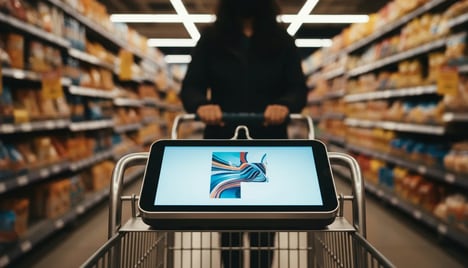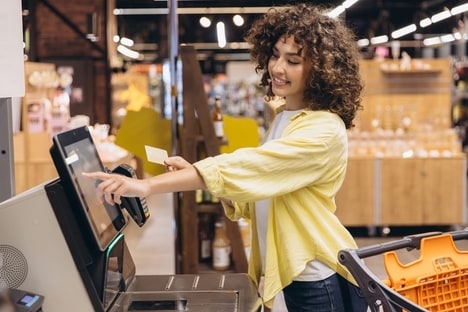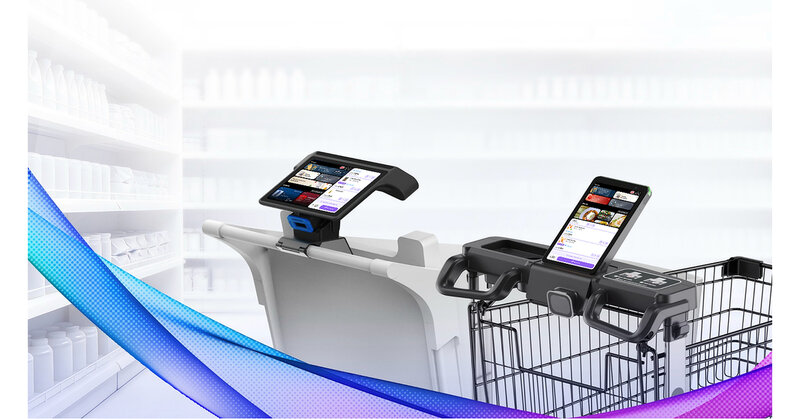
Hanshow, Shopreme and Lucky Cart introduced the Smart Cart, a shopping cart repurposed as an intelligent in-store touchpoint featuring AI-powered assistance, precise indoor navigation and on-cart self-checkout. The system supports shoppers from product discovery through payment while connecting the cart with a retailer’s digital store infrastructure.
The Smart Cart displays synchronized shopping lists, personalized recommendations and proximity-based promotions to help customers locate products. It combines on-cart self-scanning and flexible payment options with multilayer loss prevention. Retailers can choose a fully integrated cart with scale-based detection or a retrofit configuration that adds AI camera vision to compatible carts. Both use the same Shopreme software and integration.
For shoppers, the Smart Cart can streamline the journey from discovery to checkout and reduce pressure on traditional checkout areas. For retailers and brands, it combines service, security, transactions and retail media within one measurable touchpoint. The platform reflects a broader shift toward connected physical stores while creating new revenue and measurement opportunities through contextual promotions and closed-loop campaign reporting.
Image Credit: Hanshow
What Makes This Trend Stand Out
- AI Shopping Carts
- Intelligent carts are turning in-store mobility into a personalized service layer where navigation, recommendations and checkout converge in one connected device.
- In-store Retail Media
- Contextual promotions delivered through smart carts create measurable advertising surfaces that link shopper behavior, location and purchase outcomes.
- Frictionless Checkout
- On-cart scanning and payment capabilities reduce reliance on fixed checkout lanes while introducing new models for convenience, security and store throughput.
Sectors Adopting This
- Grocery Retail
- Supermarkets gain opportunities to blend product discovery, basket-building and payment into a more data-rich physical shopping experience.
- Retail Technology
- Hardware and software providers can shape the next generation of connected store infrastructure through AI vision, indoor mapping and commerce integrations.
- Digital Advertising
- Brands benefit from proximity-based messaging and closed-loop reporting that bring performance marketing principles into physical retail environments.