
Modern toys subtly integrate alternative and practical education
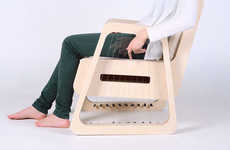
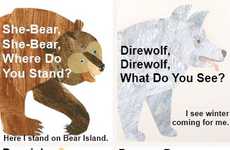
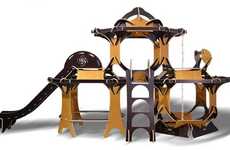
Implications - As alternative forms of intelligence become more widely recognized, so too does the desire to develop these frames of thought in children. Thus, a wave of disguised developmental playthings based in niche skills, such as critical thought and creativity, is observed. This signifies a shift in teaching methods, as well as the definition of what it means to be intelligent.
Trend Themes
-
Disguised Developmental — Toy designers are creating educational playthings that develop niche skills, such as critical thinking and creativity, as there has been a shift in teaching methods and the definition of what it means to be intelligent.
-
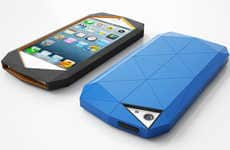
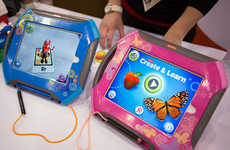
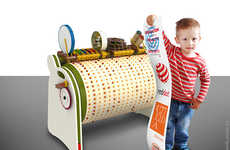
Smartphone Training Toys — As connectivity to mobile devices increases, toys such as the iWoody are becoming more common, which teach children early on how to recognize devices and interact with them in a playful manner.
-
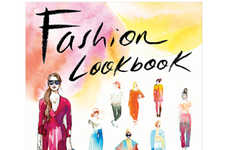
Aspiring Designer Coloring Books — Activity journals, like the Fashion Lookbook, offer children a way to document and creatively express their personal style and inspire a career in fashion design, helping to encourage creativity from a young age.
Industry Implications
-
Toy Design — Toy designers have an opportunity to create playthings that appeal to alternative forms of intelligence and offer developmental benefits that go beyond traditional education.
-
Education Technology — Developers of educational technology can create engaging and interactive mobile apps that teach young children a range of skills, from reading news stories to designing fashion.
-
Child Development — As alternative forms of intelligence become more widely recognized, industries focused on child development have an opportunity to redefine what it means to be intelligent and offer new teaching methods.
6 Featured, 52 Examples:
646,706 Total Clicks
Date Range:
Apr 12 — Jul 13
Trending:
Warm
Consumer Insight Topics: