



Category
Lifestyle
Assisted Choices
Accessible programs allow for the tracking of various cognitive functions.

Trend
Cognitive Tracking: Cognitive tracking and enhancement are becoming increasingly accessible in the home, whether they target things like recall, or works as a diagnostic tool for various disorders. The rise of such accessible programs gives consumers the opportunity, to an extent, to take their health into their own hands, functioning as an added element that enhances trust between the consumer and the health practitioners they engage with.
Trend themes
There is an increased accessibility to cognitive tracking and enhancement, which offers opportunities for health practitioners and consumers to improve the diagnostic process by tracking behavioral and non-behavioral parameters.
Wearable technology that tracks brain activity using EEG and EMG sensors is gaining popularity, creating opportunities to push non-invasive sensing technologies for consumers that are discreet, results-oriented, and easy to incorporate into their lifestyle.
The rise of AI-based diagnostic apps can help improve the diagnosis process of brain disorders by tracking symptoms and progress, identifying patterns, and providing health-care practitioners with an actionable well for better treatment methods.
Industry implications
Cognitive Tracking and Brain-Sensing Wearables provide opportunities to improve diagnostic processes by tracking and measuring health parameters and offering patients greater control over the diagnosis and treatment process.
Brain-Sensing Wearables and Cognitive Tracking provide new markets and opportunities for companies in the wearables industry to market cognitive wellness and personal health devices.
based Diagnostic Apps allow practitioners to improve their diagnosis methods and provide more targeted treatments by analyzing behavioral and non-behavioral data and identifying patterns using artificial intelligence algorithms.
Workshop question
Trend signals
Trend score 4.5 out of 10, from popularity 70%, activity 56%, freshness 8%.
Evidence
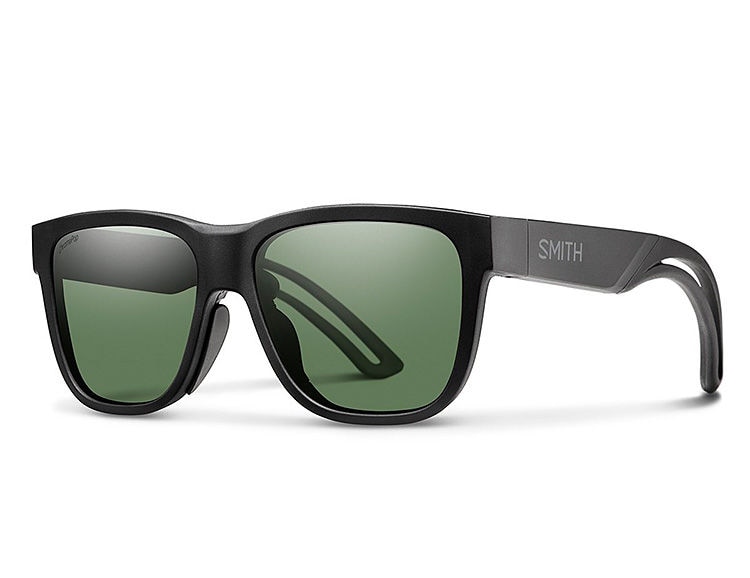
The Smith Lowdown Focus Sunglasses Use EEG to Monitor Your Brain
Opportunities for tech companies to develop innovative products that integrate noninvasive EEG sensors into wearable devices with a focus on cognitive training.
The Oura Ring V2 is an Discrete Wearable That Tracks Rest and Play
The Oura Ring V2's advanced health tracking capabilities create disruptive innovation opportunities in the health monitoring devices industry.
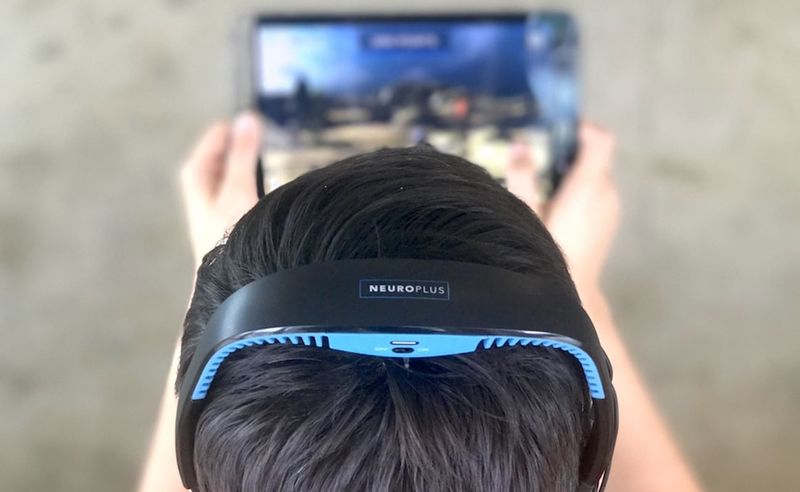
The 'NeuroPlus' Headset Improves Focus by Tracking Mental Activity
Brainwave tracking headsets like NeuroPlus can enhance learning and training by improving concentration and cognitive performance, presenting opportunities for businesses to devel…
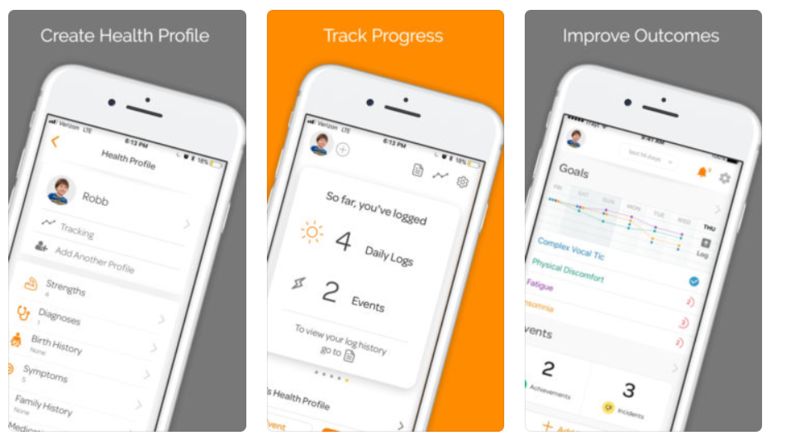
This App Tracks Symptoms of Brain Disorders to Optimize Treatment
The healthcare industry will benefit from this disruptive innovation by providing more efficient and effective treatment methods for patients.
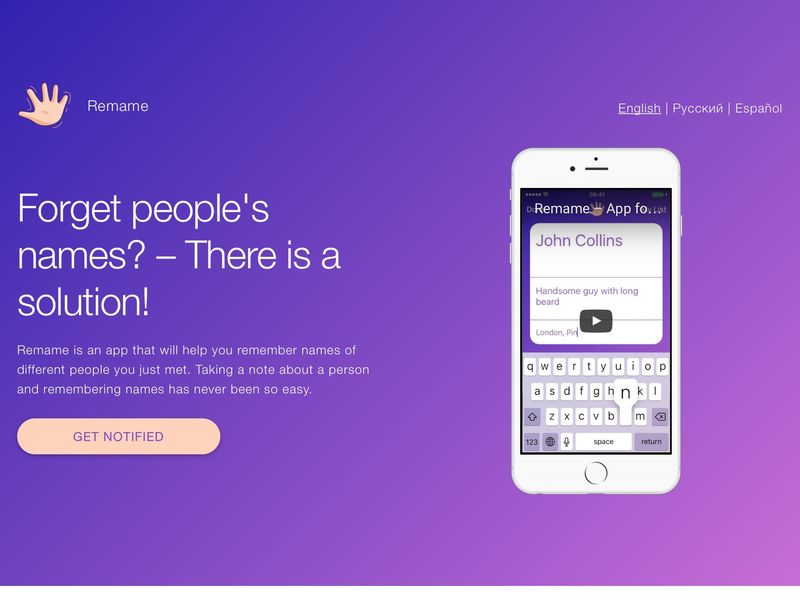
The 'Remame' App Helps Users Remember Names by Taking Notes
Creating and developing mobile applications that specialize in networking and memory recall.






