Category
Business
Assisted Conversion
Large brands create "labs" that strengthen customer experiences.
Trend
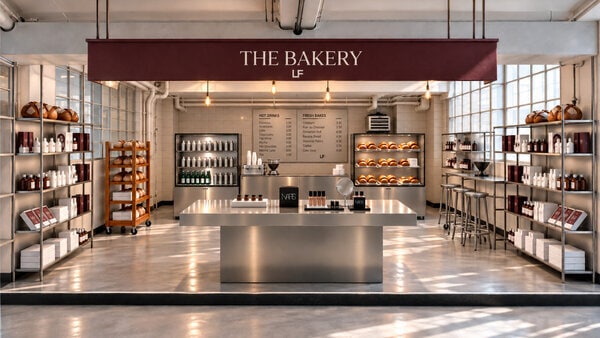
Branded Hub: The concept of a branded lab or hub is becoming increasingly common as businesses seek to facilitate authentic interactions between themselves and their customers. These spaces have the added benefit of seeing how consumers respond to the products/services that are featured.
Insight
When it comes to the products and services that they consume, individuals in the digital age who are aware of the benefits and potential of technology are placing an emphasis on experiences. In this space, many are looking for immersive activations that will both afford them an interesting activity and satisfy their desire to learn something new or exercise creativity. As a result, consumers feel more inspired, involved, and supported when engaging in such experiences.
Trend themes
The concept of a branded hub or lab is becoming increasingly common as businesses seek to facilitate authentic interactions between themselves and their customers, offering immersive activations and enhancing the overall customer experience.
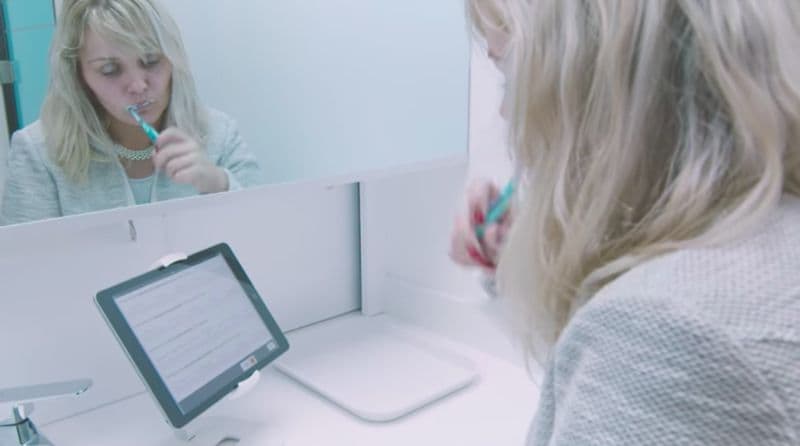
Consumer labs that use various technologies to better understand a consumer's sensory preferences offer substantial consumer insights, both for existing and developing products.
Hubs that invite people to come in and enjoy food while also crossing paths with creators of fashion, art, design, entertainment, technology and more, encourage innovation through local and global events.
Industry implications
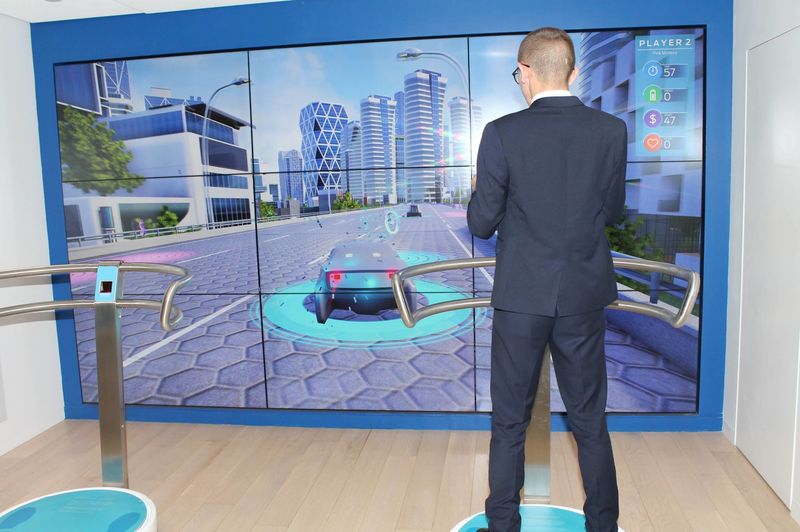
The integration of immersive technologies, such as VR stations, in retail spaces and labs could enhance the overall customer experience and foster learning.
Luxury brands could enhance the overall experience of their products by incorporating branded hubs, which allow customers to learn about the brand's philosophy and interact with the products/services in a meaningful way.
Consumer sensory labs not only refine the development and improvement of products, but also offer information and knowledge for developing new products from sensory evaluation and consumer insight.
Workshop question
Trend signals
Trend score 4.5 out of 10, from popularity 68%, activity 60%, freshness 8%.
Evidence
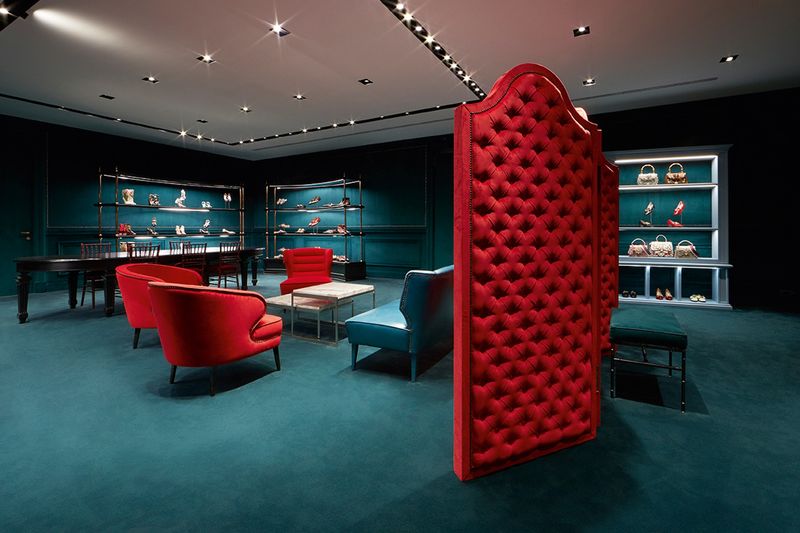
The Gucci ArtLab Fuses Premium Craftsmanship and Experimentation
The Gucci ArtLab's innovative approach to manufacturing presents opportunities for disruption in the fashion industry and luxury market, with potential for similar ventures to eme…
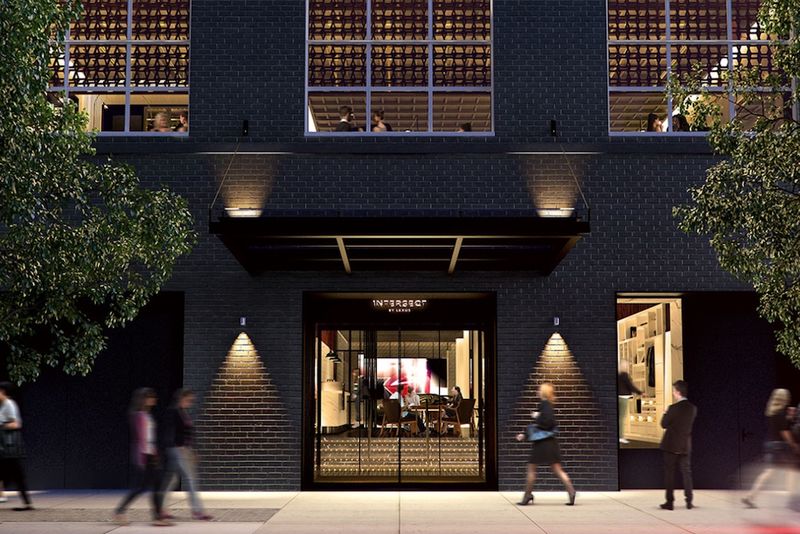
The Latest Intersect by Lexus Hub Allows Creators to Cross Paths
The hospitality industry can benefit from creating creative collaboration spaces within hotels or resorts to attract guests and provide a unique experience.
The Interactive 'FordHub' Space Connects Ford to Consumers
Automotive companies can benefit from creating interactive brand studios to showcase their products and educate customers about advancements in mobility technology.
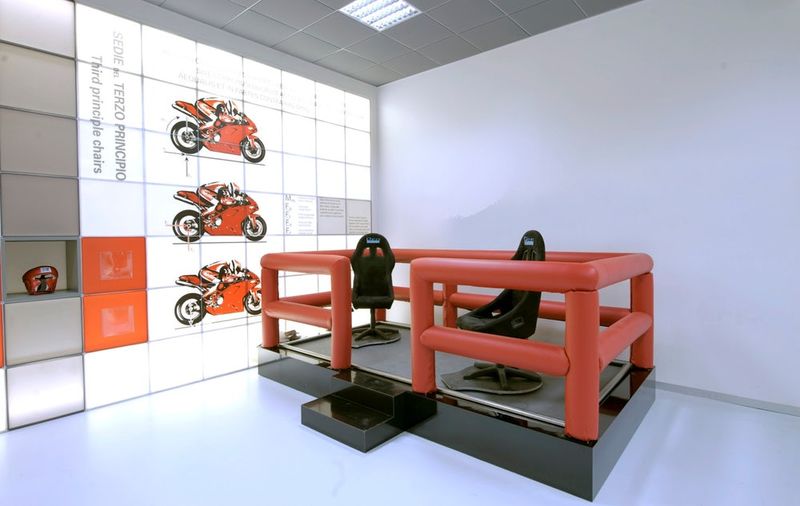
This Ducati Tour is Part of a Museum and Factory Visit Package
Opportunity for motorcycle manufacturers to offer interactive tours and educational experiences to engage with enthusiasts.
Eye-Tracking and Biometric Technology at GSK's Lab Determine Preferences
The consumer sensory lab could be utilized by companies in the consumer packaged goods industry to develop and refine products based on consumer preferences.