Category
Lifestyle
Assisted Choices
The popular marketing strategy sees games with a loose tie to the product.

Trend
Adjacent Gamification: Though gamification is often touted as the premier strategy for targeting Millennials and Generation Z, both generations are still likely to have an adverse reaction to marketing, no matter how much fun it is to interact with. Adjacent gamification adds an element of authenticity to battle this big-brand skepticism by placing less emphasis on the brand or product.
Trend themes
Marketing strategy adds authenticity by placing less emphasis on the brand or product.
Companies creating games around their products and services as a fun and interactive way to engage with consumers.
Mobile gaming platform grows as more brands design mobile game apps to attract new customers.
Industry implications
Adjacent gamification strategy can help advertisers/authentic brand experiences that attract hard-to-reach consumers.
Interest in mobile gaming gives opportunities for designers and developers to create mobile games that attract brand collaboration.
Fitness companies can create interactive gamified challenges to always engage customers and offer rewards.
Workshop question
Trend signals
Trend score 4.8 out of 10, from popularity 72%, activity 64%, freshness 8%.
Evidence
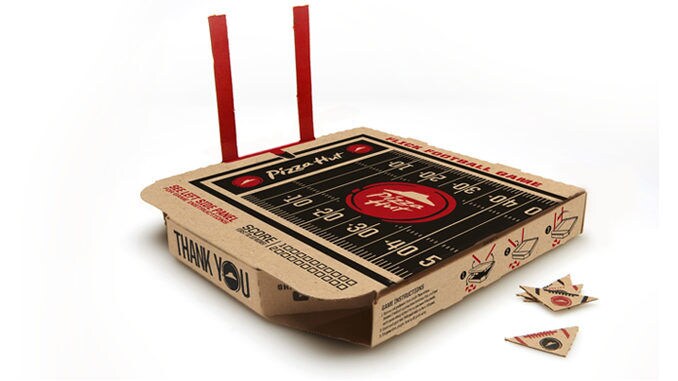
The New Pizza Hut Box Features a Flick Football Field on Top
Opportunity to create engaging and interactive packaging concepts and promotions that enhance customers' dining experiences and boost sales.
This Revlon Campaign Allowed Moviegoers to Win Makeup with Timeplay
Cosmetic brands can utilize interactive games to promote their products and engage with their target audience.
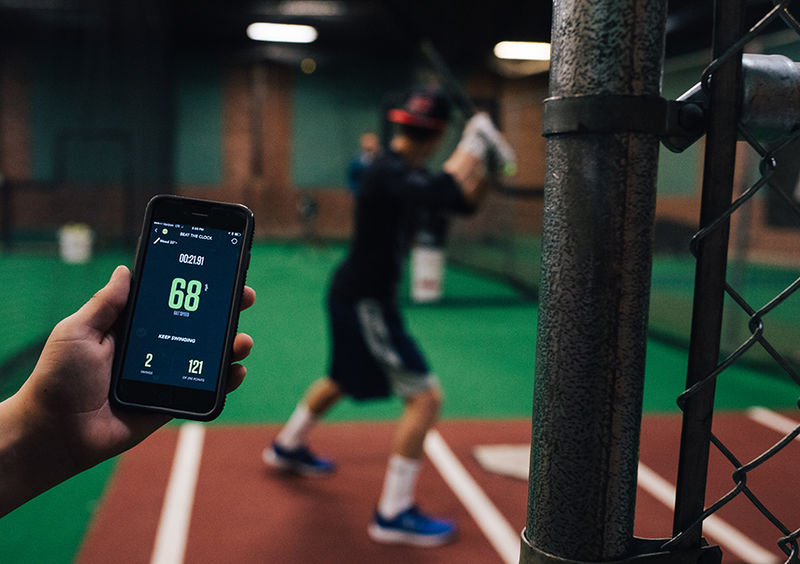
New Balance's NB Power Hitter Challenge Gamifies The Zepp Training App
Sporting goods companies can partner with training services to offer smart sensor technology and gamification features that bring added value to their products.
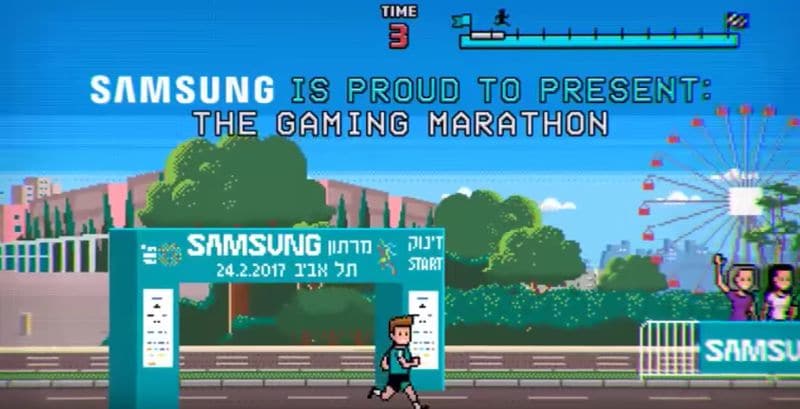
'The Gaming Marathon' by Samsung is a Real-Life Race Game
Sports and fitness companies can explore gamification and technology to make marathon events more engaging and exciting for participants and spectators.