



Category
Lifestyle
Assisted Choices

Trend
Waste Design: The upcycling of food scraps that would typically have gone to waste is increasingly being used in materials for design-forward products and accessories. Everything from shoes to tableware are now being created using these innovative materials.
Insight
In recent years, consumers' purchase decisions have increasingly been motivated by factors like innovation and eco-friendliness. The former offers them distinct talking points for the products they choose to buy, while the latter alleviates the purchase guilt they feel in light of the environmental issues that are currently plaguing the world. People seek out interesting and eco-conscious products so they can have peace of mind when it comes to their chosen lifestyles.
Trend themes
Innovators creating products from food waste materials are tapping into consumer demand for eco-conscious and innovative products, creating opportunities for businesses to develop new biodegradable materials and reduce waste.
As consumers become increasingly aware of the environmental impact of conventional plastics, there is a growing market for sustainable alternatives, creating opportunities for businesses to develop biodegradable, compostable, or recyclable materials for packaging and other products.
As more consumers prioritize ethical and sustainable fashion choices, there is an opportunity for businesses to create innovative plant-based and cruelty-free fashion products, such as sneakers made with plant-based materials.
Industry implications
Food waste upcycling offers opportunities for businesses in the food and beverage industry to reduce waste and create new products, such as bioplastics and food-based materials for packaging, tableware, and fashion accessories.
As consumers demand more sustainable and ethical fashion products, there is an opportunity for businesses in the fashion and textiles industry to innovate and create new materials and products, such as vegan sneakers and food waste leathers.
The trend towards sustainable alternatives to plastics presents opportunities for businesses in the packaging and manufacturing industries to create biodegradable, compostable, or recyclable materials for packaging and other products, reducing waste and improving environmental impact.
Workshop question
Trend signals
Trend score 5.5 out of 10, from popularity 84%, activity 71%, freshness 9%.
Evidence
Tômtex is a Material Made Out of Seafood Shells and Coffee Grounds
The fashion industry can explore the use of food waste leathers and sustainable materials to create eco-friendly clothing and accessories.
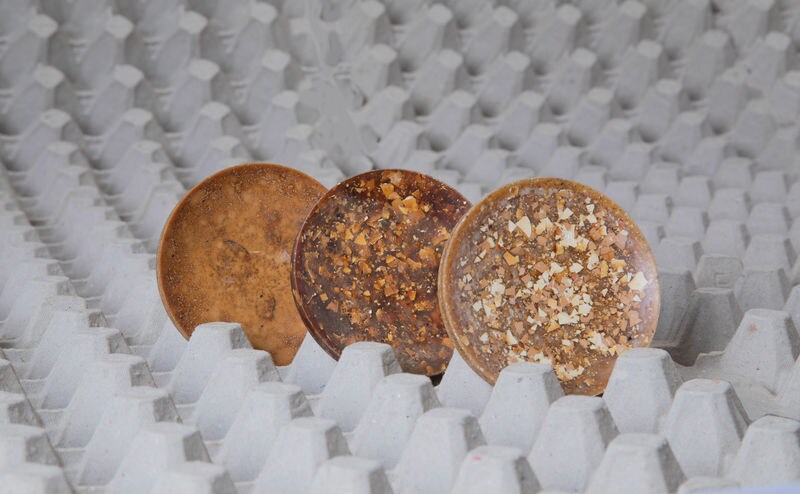
Basse Stittgen Advocates Against Food Waste with a Range of Egg-Based Products
The use of egg-based bioplastic in kitchenware production could disrupt the market for non-recyclable plastic cutlery and utensils.
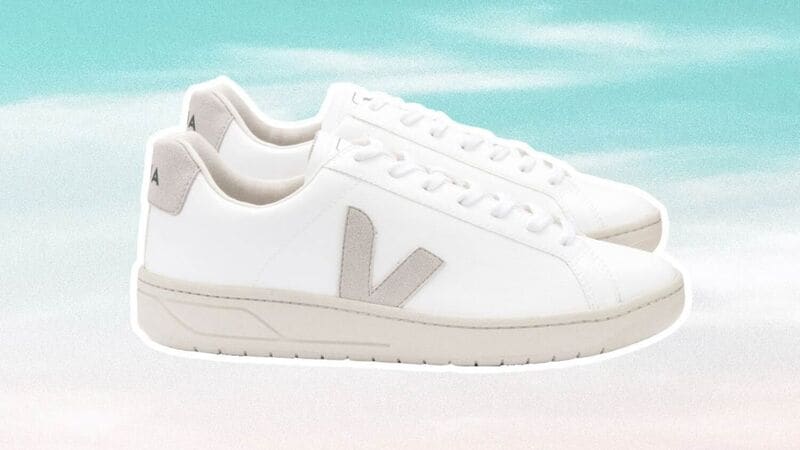
Veja's Urca Sustainable Sneaker Style Repurposes Food Industry Waste
The footwear industry can explore sustainable materials and vegan options in their product offerings.
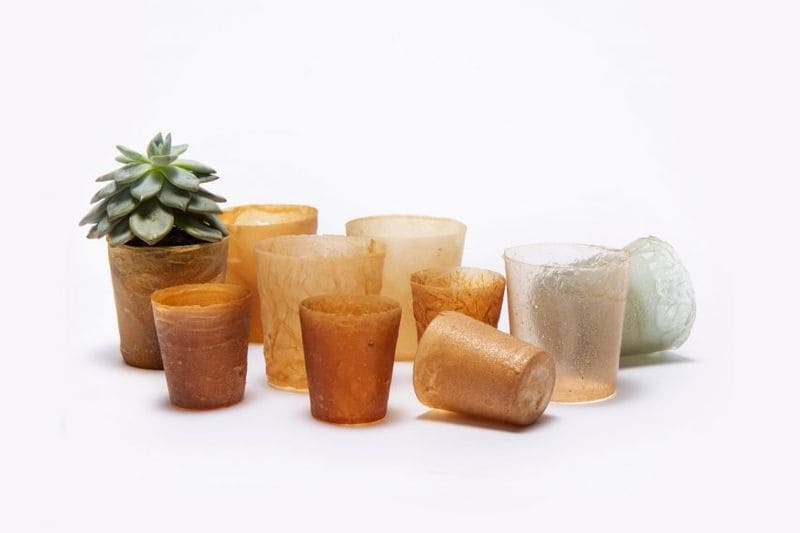
Shellworks Creates Recyclable Bioplastic from Lobster Shells
The use of recyclable bioplastics presents an opportunity for innovation in the packaging industry, particularly in the creation of sustainable and environmentally friendly packag…






