
Category
Art & Design
Oven Aesthetics
Brands in various industries are relying on generative design for concepts.



Trend
Generative Design: Generative design is an artificial intelligence program that creates a nearly infinite number of conceptual concepts based on certain data restrictions. While generative design has been used as a novel approach in the past, today, the manufacturing method is gaining more traction in all industries, with brands ranging from architectural to tool manufacturing leveraging the technology.
Insight
Artificial intelligence is no longer seen as a "future" technology, but one that can be capitalized on in the present. Brands are turning to these systems to create concepts that are detached from traditional human biases, ultimately resulting in ideas that are more cost-effective and fruitful. As digitalization becomes the standard rather than the exception, brands will continue to merge human capacity with artificial intelligence to go beyond traditional designs for revolutionary concepts.
Trend themes
Generative design is being used as an AI program to produce novel approaches to manufacturing in all industries.
Designers and engineers are leveraging modern technology and natural elements to create customized, high-quality tools and hardware.
Integrated parametric design tools are being developed and used by architects to optimize architectural structures.
Industry implications
Manufacturing companies can leverage generative design to produce cost-effective designs that are detached from human biases.
Hardware and tool manufacturers can utilize modern technology coupled with natural elements to create customized products without compromising durability or strength.
Architects and construction companies can benefit from integrated parametric design tools that reduce repetitive tasks and increase productivity.
Workshop question
Trend signals
Trend score 3.8 out of 10, from popularity 59%, activity 45%, freshness 9%.
Evidence
Stanley Black & Decker Pushed the Envelope with New Design
The construction industry can benefit from generative design to create more efficient and ergonomic tools.
Henrik Balzer Leveraged Generative Design to Create Cutting-edge Tools
The manufacturing industry can adopt generative design and bone-inspired structures to create lightweight and durable tools with improved efficiency and functionality.
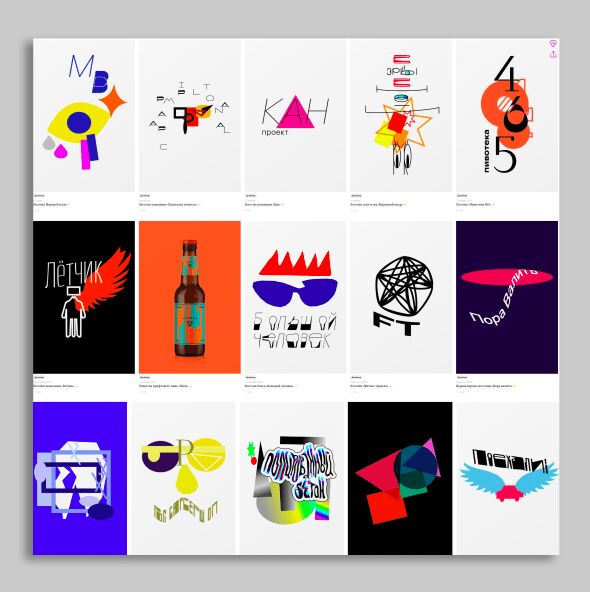
The AI System Dubbed 'Nikolay Ironov' Fooled Clients for A Year
Disruptive innovation opportunity: Incorporate AI technology into the design industry to enhance and automate the design process.
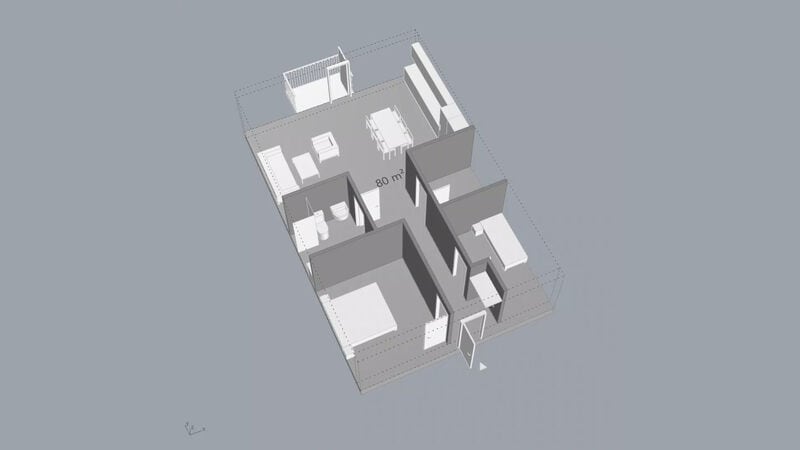
The New Finch System Can Generate Adaptive Floor-Plans
The Finch system by Wallgren Arkitekter and BOX Bygg could transform the architecture industry by streamlining the design process and providing more accurate data-driven floor pla…
Philippe Starck Explores Tech Design With The A.I Chairs
The A.I Chairs project showcases opportunities for disruptive innovation in the furniture manufacturing industry by leveraging generative design and AI technology to create unique…
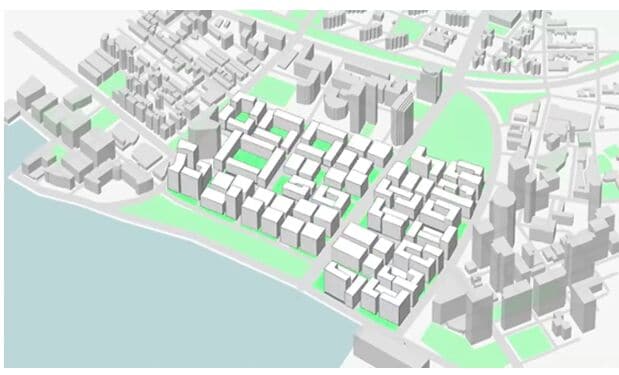
Sidewalk Labs Uses a Generative Design Tool to Help Urban Planning
The architecture industry can benefit from incorporating generative design tools to push the boundaries of creativity and create innovative urban concepts.