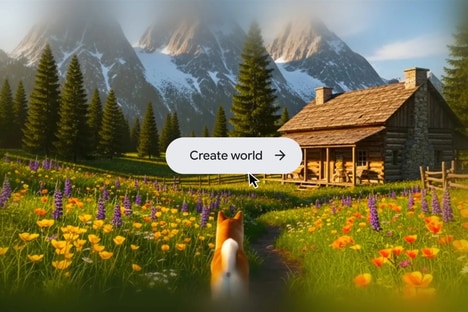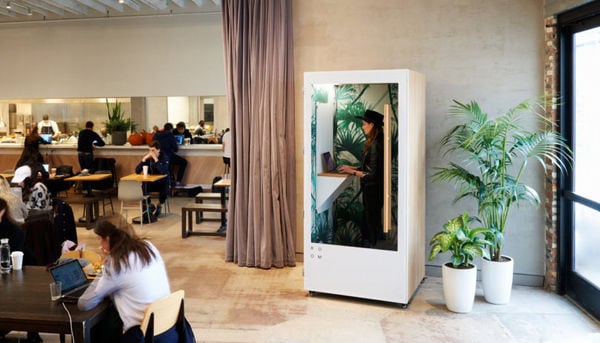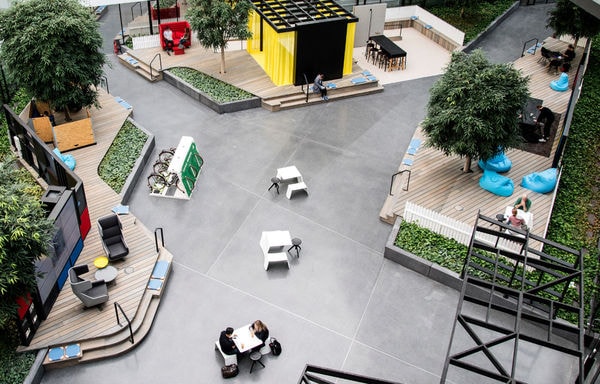
Generative design tools are being widely used to help designers and engineers go beyond the traditional scope of imagination to create out-of-the-box concepts. Notably, Alphabet's Sidewalk Labs is leveraging this design tool to create a plethora of urban concepts that best serves the community.
The generative design tool uses information from a variety of data sets, such as geographic area, regulations, and existing development plan alongside other useful information including weather patterns, street layouts, and building specs to create millions of conceptual designs. The firm emphasizes that a human designer is still necessary and the tool was designed to “make the design process more holistic and efficient, helping planners and the community make the most informed decision possible.”
Image Credit: Sidewalk Labs
What's Driving This Trend
- Generative Design
- Using AI-driven generative design tools can enable designers and engineers to create innovative and out-of-the-box concepts.
- Urban Concepts
- Leveraging generative design tools to create a plethora of urban concepts that best serve the community opens up new avenues for urban planning and development.
- Efficient Design Process
- AI-driven generative design tools can make the design process more holistic and efficient, resulting in more informed decision-making for planners and the community.
Who This Affects Most
- Architecture
- The architecture industry can benefit from incorporating generative design tools to push the boundaries of creativity and create innovative urban concepts.
- Urban Planning
- AI-driven generative design tools have the potential to revolutionize the urban planning industry by providing efficient and data-informed solutions for creating urban concepts.
- Technology
- The technology industry can support the development and implementation of AI-driven generative design tools to drive innovation and efficiency in various sectors like urban planning and architecture.