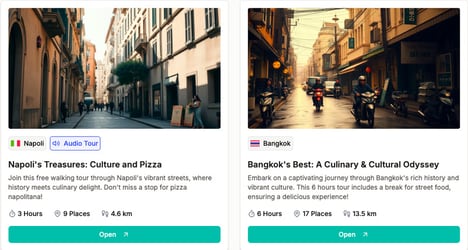

Google Maps Builder is a new agent that helps developers turn natural language prompts into working, customized map prototypes. Powered by Google’s Gemini AI models, the system interprets instructions such as creating tours or visualizing real-time conditions and assembles interactive layouts in minutes. This reduces the manual coding and configuration typically required for location-based applications.
The launch arrived as part of a broader suite of AI utilities for the platform, including a Maps Styling agent for fast visual customization. Additional tools like the Code Assist Toolkit connect AI assistants directly to current Maps documentation, while Grounding Lite links any language model to live geographic data. Contextual View further enriches AI interfaces by pairing conversational responses with real-time map imagery and 3D visuals.
For developers and businesses, these tools provide a faster path from concept to functional map experience while maintaining factual accuracy. Teams can generate on-brand visuals, explore code patterns, and anchor AI assistants in trusted location data without advanced GIS expertise. The update reflects a shift toward conversational, low-code workflows in mapping, enabling more sectors—such as travel, real estate, and logistics—to build sophisticated spatial applications efficiently.
Image Credit: yurakrasil / Shutterstock
What's Driving This Trend
- Conversational Mapping Interfaces
- Advancements in natural language processing allow users to interact with mapping tools via conversational prompts, enhancing usability and accessibility for non-technical audiences.
- Low-code Map Development
- The rise of low-code platforms in map creation minimizes traditional coding barriers, empowering businesses to rapidly develop customized geospatial applications.
- AI-enhanced Location Visualization
- Leveraging AI models to interpret and visualize live geographic data ensures real-time accuracy and interactivity in spatial displays, catering to sectors in need of precise location-based decision-making.
Who This Affects Most
- Travel and Tourism Technology
- AI-powered mapping tools offer the travel industry innovative ways to craft personalized and interactive tour experiences, contributing to enhanced customer engagement and satisfaction.
- Real Estate Solutions
- Real estate professionals can utilize AI-driven map customization to efficiently visualize property locations and market trends, empowering better client interactions and data-driven decisions.
- Logistics and Supply Chain Management
- AI-enhanced mapping innovations afford logistics companies a competitive edge by optimizing route planning and improving real-time tracking and management of delivery fleets.