If you're shopping for gifts for AI superusers who live at the intersection of code, models, and real‑world testing, gifts should either unlock new experiments or make existing workflows smoother. This season favors devices that enable local AI work, developer‑friendly platforms, and wearables that move intelligence out of the cloud and into everyday life.
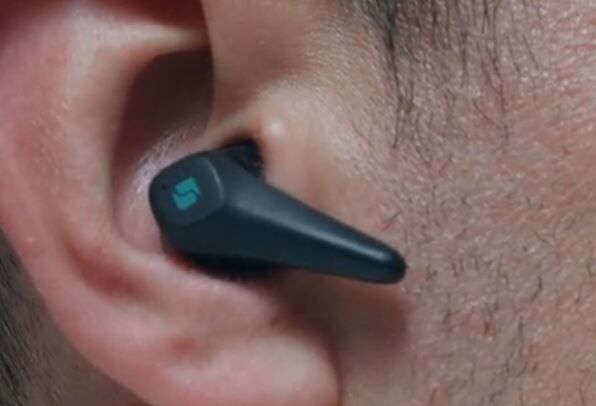
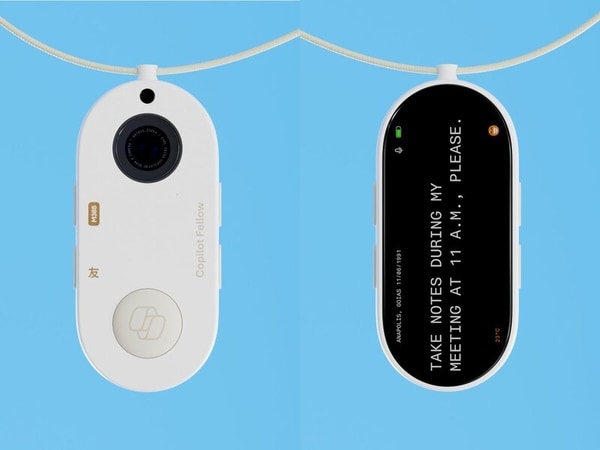
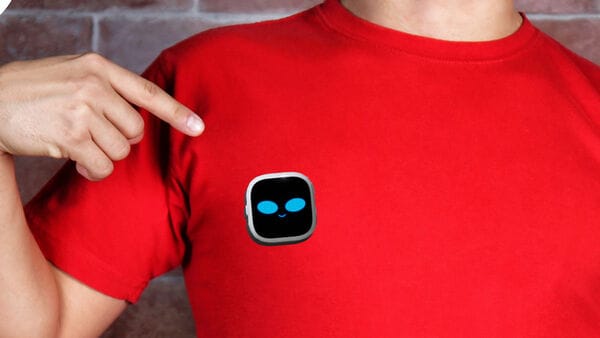
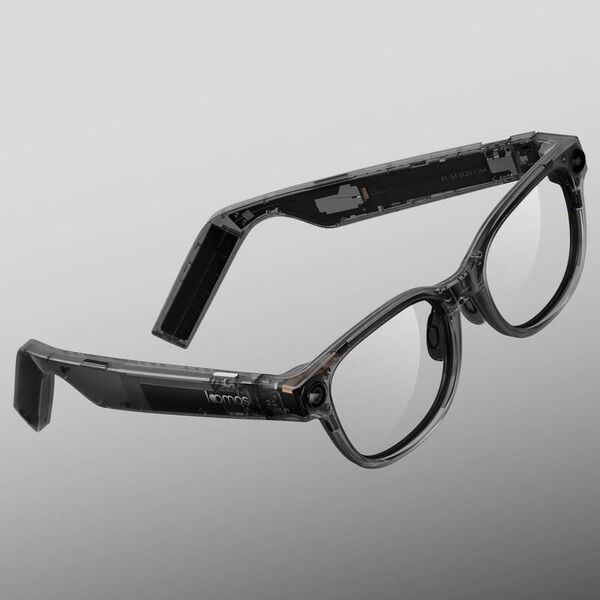
The Omi AI wearable brings always‑on context to the body: it can sit on the temple, be taped on with medical adhesive, or hang as a necklace while it interprets surroundings and feeds contextually relevant prompts or data to a companion smartphone. Built as an open‑source platform, it’s aimed at tinkerers and developers who want to run custom apps or swap in preferred models; a developer edition is available now for about $70, with a consumer version expected around $89 in Q2 2025.
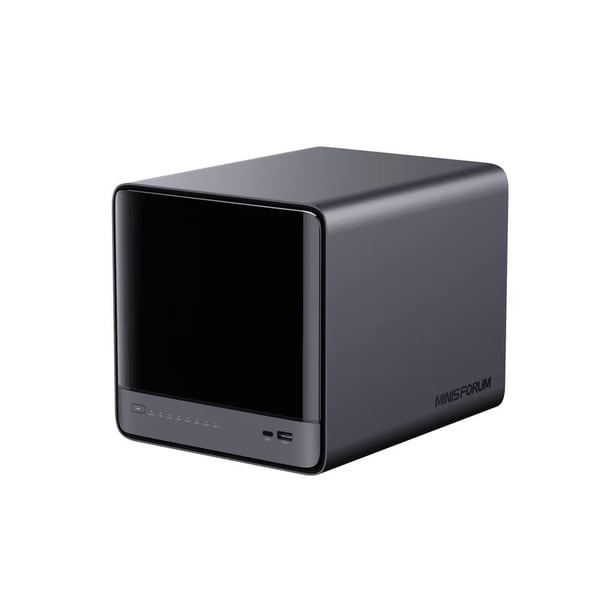
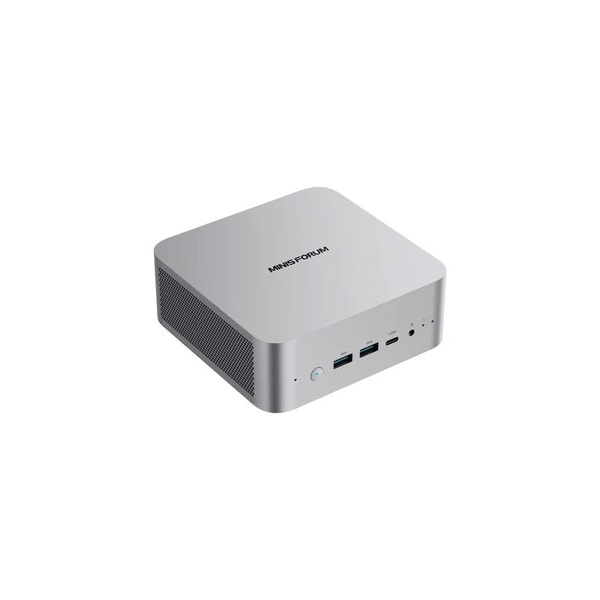
At the other end of the stack, the Minisforum N5 AI NAS is a compact, high‑capacity hub for local AI workloads. It packs an AMD Ryzen 7 255 (eight Zen 4 cores, 16 threads, up to 4.9 GHz) and integrated Radeon 780M into a five‑bay chassis that also accepts three M.2 SSDs and offers a PCIe ×16 slot for GPU or NIC expansion. With up to 96 GB of DDR5‑5600, dual 10 GbE ports, USB4, HDMI 2.1, MiniCloud OS (ZFS snapshots, LZ4, Docker, AI media libraries) and support for Windows and Linux, it’s built for prosumers and small teams who need local storage, fast networking, and on‑prem AI acceleration.
Think about gifts that increase autonomy and reduce friction: developer‑friendly hardware, modular storage and compute, or wearables that surface useful context without interrupting flow. Add value with learning resources, community access, or a clear first project so the recipient can start experimenting immediately, as those small extras turn capable gear into tools that actually get used.
- Gen Alpha
- Gen Z (primary audience)
- Millennial (primary audience)
- Gen X (primary audience)