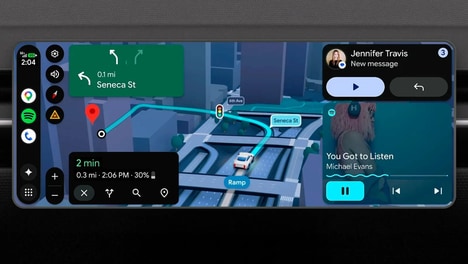
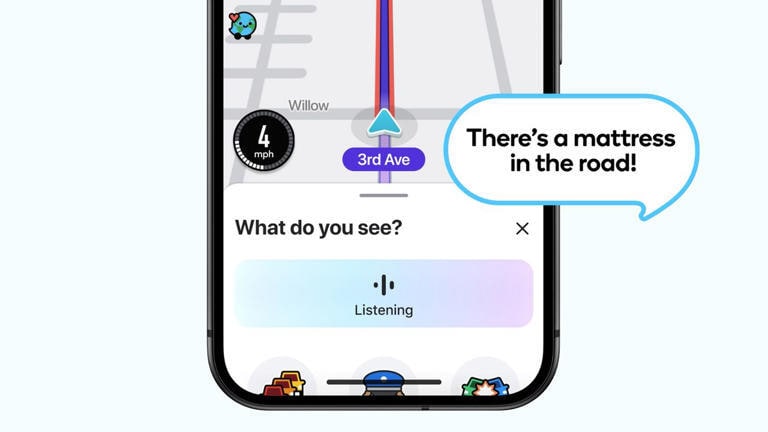
Waze Conversational Reporting is being rolled out by the Google-owned navigation app for Android and iOS users to help them keep their eyes on the road, while also contributing towards the crowdsourced interface.
The app will harness the natural language processing power of the Google Gemini artificial intelligence (AI) system to let drivers simply speak aloud what kind of issue or obstacle they are encountering. This information will then be used by the system to alert others of potential problems on the road, while drivers won't have to take their eyes off the road to participate.
Waze Conversational Reporting is rolling out now to Android and iPhone users, and could help to greatly expand on the app's ability to keep drivers connected.
Why This Trend Is Growing
- Conversational User Interfaces
- The integration of natural language processing into navigation apps, like Waze, highlights a shift towards more intuitive and hands-free user interfaces.
- Real-time Crowdsourced Data
- Leveraging AI to collect and disseminate user-generated road condition reports exemplifies the growing reliance on real-time data for enhancing user experiences.
- AI-driven Traffic Solutions
- Using AI to facilitate seamless data sharing among drivers suggests a move towards smarter, self-organizing traffic management systems.
Industries Being Reshaped
- Navigation Technology
- AI-powered enhancements in navigation apps are transforming how digital maps serve users, leading to more personalized and responsive navigation experiences.
- Automotive AI Systems
- Integrating conversational AI into vehicular contexts indicates advancements in creating safer and more interactive automotive environments.
- Telecommunications
- The advancements in voice-activated reporting systems signal new opportunities for telecommunications companies to support widespread AI deployments.