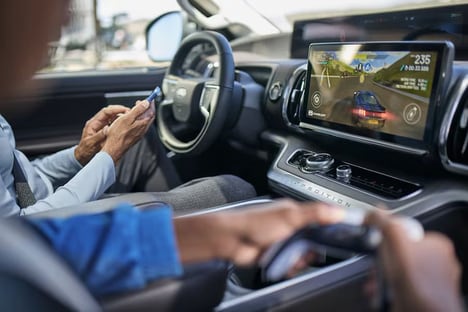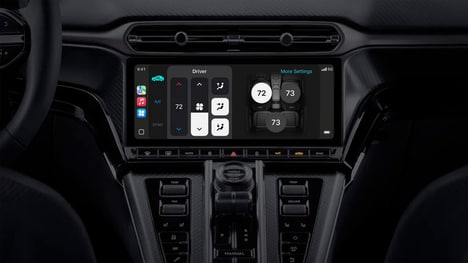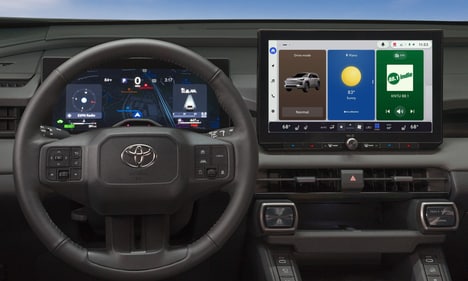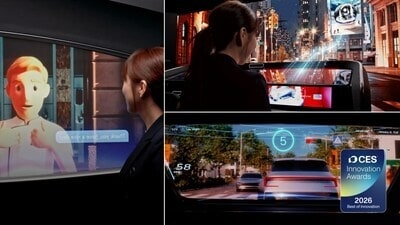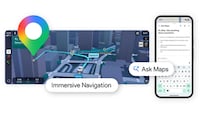
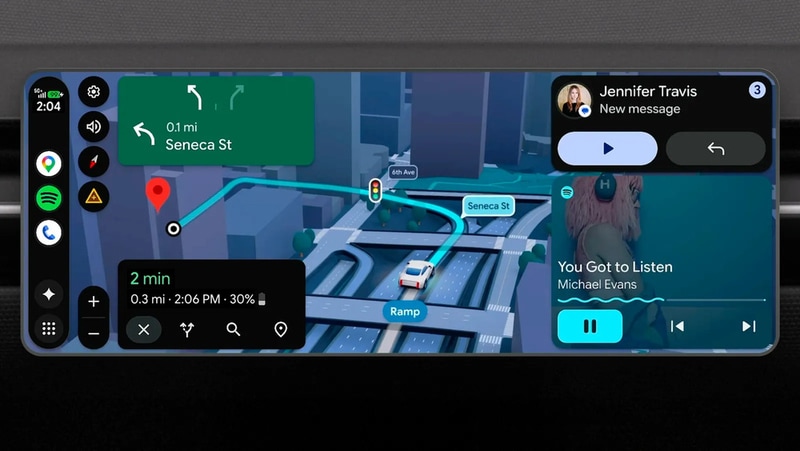
AI-powered car interfaces are transforming vehicles into connected digital environments that combine navigation, entertainment and contextual assistance through integrated software ecosystems. Google’s latest Android Auto updates introduce Gemini AI support, immersive 3D navigation, customizable dashboard layouts and expanded in-car entertainment features designed for modern driving experiences. The platform also adds video streaming, spatial audio support and personalized widgets that allow drivers to access important information more efficiently while parked or on the road. Gemini AI can assist with tasks such as messaging, navigation and voice-controlled requests by understanding conversational context and user behavior.
The updates reflect how automakers and technology companies are increasingly competing through software capabilities rather than hardware alone. As consumers expect smarter and more personalized vehicle experiences, connected operating systems may become a key differentiator across automotive brands. Integrated AI tools and entertainment ecosystems could also create new opportunities for subscriptions, digital services and long-term customer engagement within connected mobility markets.
Image Credit: Google
What Makes This Trend Stand Out
- Conversational In-car AI
- Vehicles increasingly use context-aware conversational AI to handle messaging, navigation and voice requests, enabling seamless multimodal interactions that redefine driver assistance and in-vehicle workflows.
- Immersive 3D Navigation
- High-Fidelity spatial mapping and 3D navigation create richer route visualizations and environment awareness that could shift how drivers perceive and interact with real-time directions.
- Integrated Entertainment Ecosystems
- Streaming video, spatial audio and personalized widgets converge into unified in-car entertainment platforms that open avenues for recurring digital services tied to vehicle usage patterns.
Sectors Adopting This
- Automotive Software
- Platform-Centric vehicle software stacks are displacing hardware differentiation and enabling over-the-air feature rollouts and subscription models that alter manufacturer revenue streams.
- Telecommunications and Connectivity
- Robust low-latency networks and edge compute support are becoming essential to deliver immersive navigation and streaming in cars, influencing carrier and infrastructure investment priorities.
- Digital Services and Subscriptions
- Growing demand for in-vehicle personalization and entertainment suggests new subscription-based offerings and bundled services that could drive long-term customer engagement beyond initial vehicle sales.