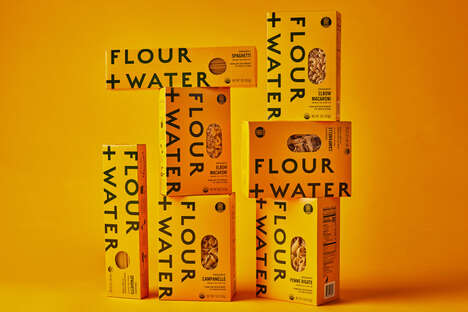
This spaghetti packaging has been designed by Alesia Lurtcevich as a portion-controlled product that will enable chefs to prepare as much or as little food as they require.
The packaging makes use of six trapezoidal sections that each correspond to a single portion for a person to consume, which will allow exact amounts to be doled out accordingly. This works two-fold by helping a person, couple or family to only create the amount of food they need, while also preventing unnecessary food waste by preventing too much pasta from being cooked.
The spaghetti packaging features a simple pull tab design that can be easily opened at dinnertime and helps to streamline the consumer experience to help them maintain a healthier, more balanced lifestyle.
What Makes This Trend Stand Out
- Portion-controlled Packaging
- A disruptive trend that can help streamline the consumer experience and prevent food waste by enabling chefs to prepare exact amounts of food.
- Sustainable Food Packaging
- A growing trend that helps reduce food waste at the consumer level and is driven by environmental concerns.
- Customizable Packaging
- A potential trend that could offer consumers the ability to customize their order size, allowing them to purchase smaller, more precise amounts of food.
Sectors Adopting This
- Food Packaging
- The food packaging industry has an opportunity to develop products that cater to the growing demand for portion-controlled and sustainable packaging.
- Food Service
- The food service industry could benefit from using portion-controlled packaging in their food preparation process, reducing food waste and improving the customer experience.
- Consumer Goods
- Consumer goods companies can capitalize on the trend of portion-controlled packaging by creating products that cater to the health-conscious consumer who values environmentally-friendly packaging.