Category
Lifestyle
Assisted Choices
The idea of hyper-partying is re-embraced by society.
Trend
Raver Resurgence: Traditionally consisting of a large, no-holds-barred dance party in a remote location like a warehouse or parking lot, raver culture was huge in the 90s. Intended for modern-day bohemians looking for some purely hedonistic, drug-riddled fun, rave culture has recently seen a resurgence. This is largely due to the values of uninhibited fun and individualism.
Trend themes
Rave culture is making a comeback due to the values of uninhibited fun and individualism.
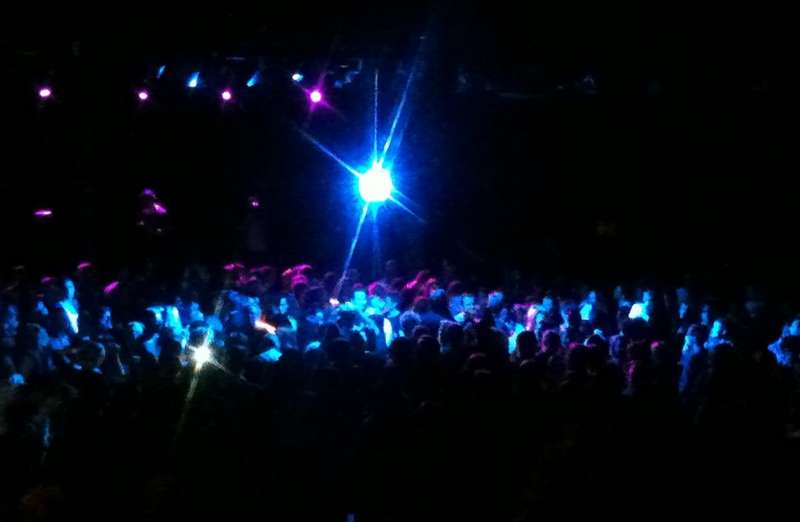
New hyper-partying trends, like Lunch Beat, are revolutionizing the traditional lunch break and encouraging health consciousness.
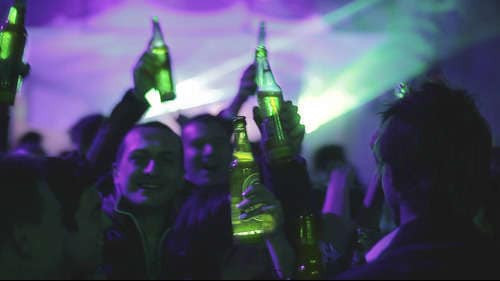
Interactive technologies, like the intelligent Heineken beer bottle, are redefining party atmosphere.
Industry implications
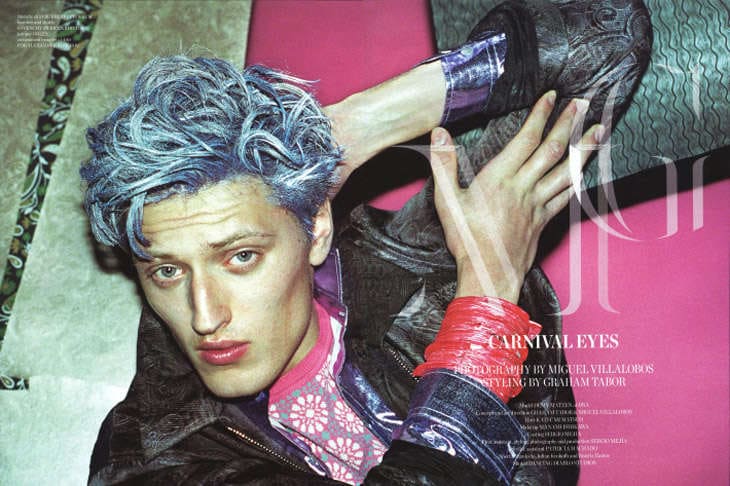
Fashion industry professionals can create unconventional and eccentric garments inspired by sci-fi and a raver style aesthetic to appeal to daring and fearless fashion lovers.
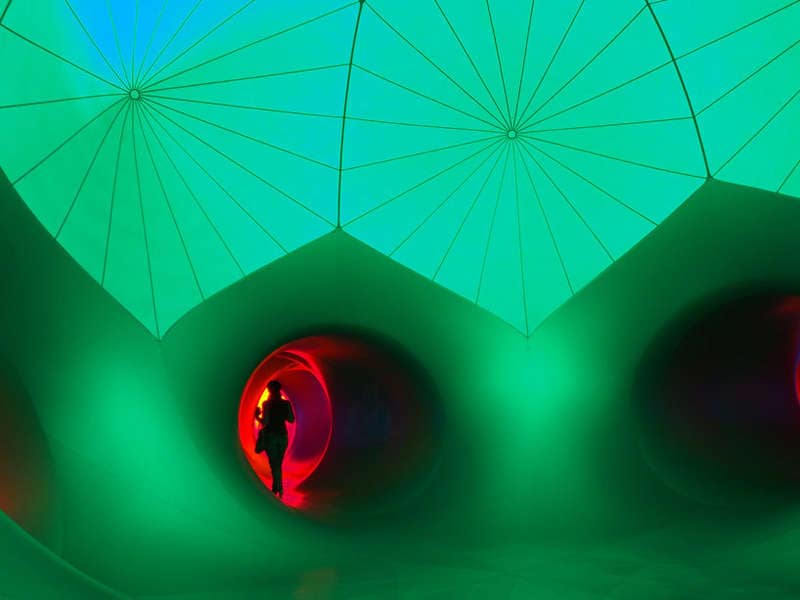
Architecture and event planning professionals can incorporate inflatable domes for festivals and parties, creating a futuristic yet intimate atmosphere.
The beverage industry can create interactive, intelligent alcohol bottles to enhance party experiences and keep up with the evolution of party culture.
Trend signals
Trend score 5.0 out of 10, from popularity 67%, activity 74%, freshness 8%.
Evidence
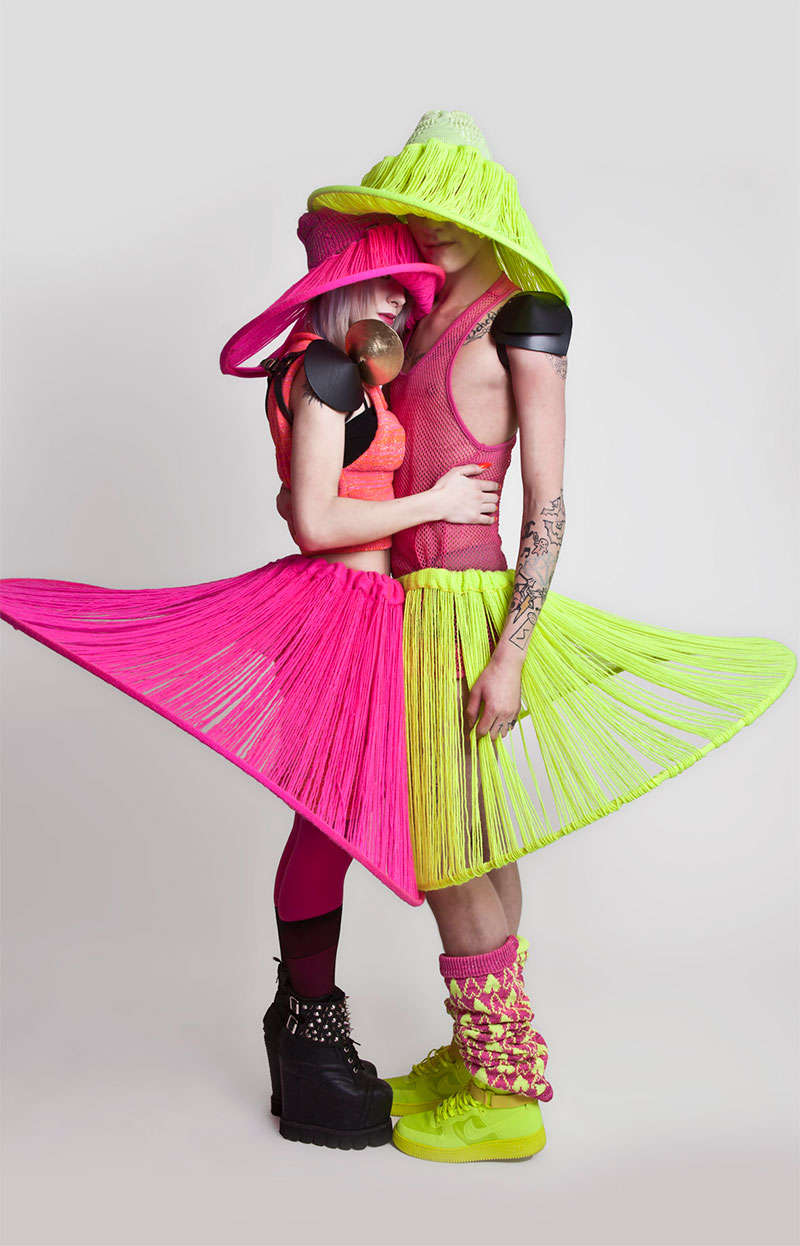
The Jylle Navarro Fall/Winter 2013 Lookbook is Sci-Fi Chic
Disruptive innovation opportunity: Explore unconventional knitwear designs, unique color palettes, and sculptural silhouettes to cater to fashion enthusiasts seeking avant-garde l…
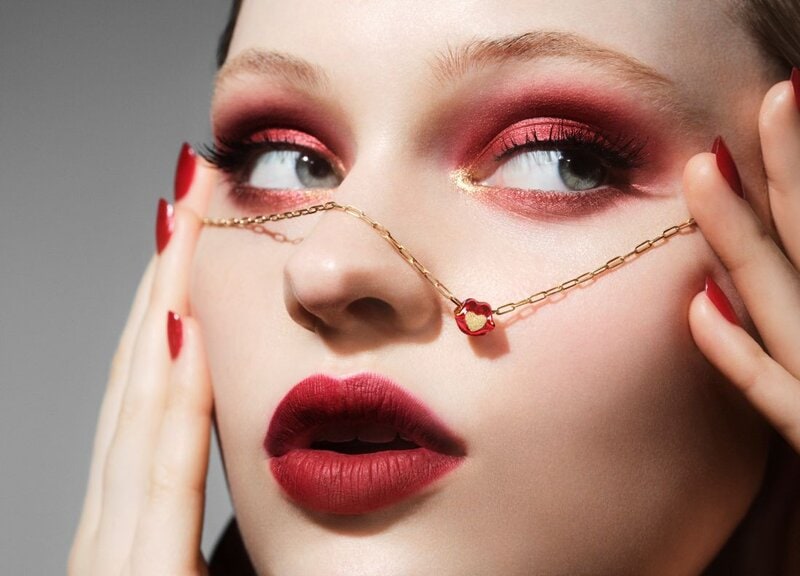
The Carnival Eyes Metal Magazine Editorial Channels Retro Era Edginess
Disruptive Innovation Opportunity: Fashion retailers can cater to the demand for 90s club kid fashion by curating collections inspired by the era and promoting them to a modern-da…
The EXXOPOLIS Luminarium is an Exhibition of Inflatable Domes
Opportunity to create unique, temporary structures without the need for heavy construction.
The Interactive Heineken Beer Bottle Illuminates When People Cheers
Breweries and distilleries can leverage innovative packaging and labeling techniques to differentiate their products in a crowded market and create unique drinking experiences for…
Lunch Beat Involves Clubbing on Work Breaks
Potential demand for event planners to organize midday entertainment experiences for workplaces.