Category
Lifestyle
Assisted Choices
Brands capture consumer attention with fake pop-up shop concepts.


Trend
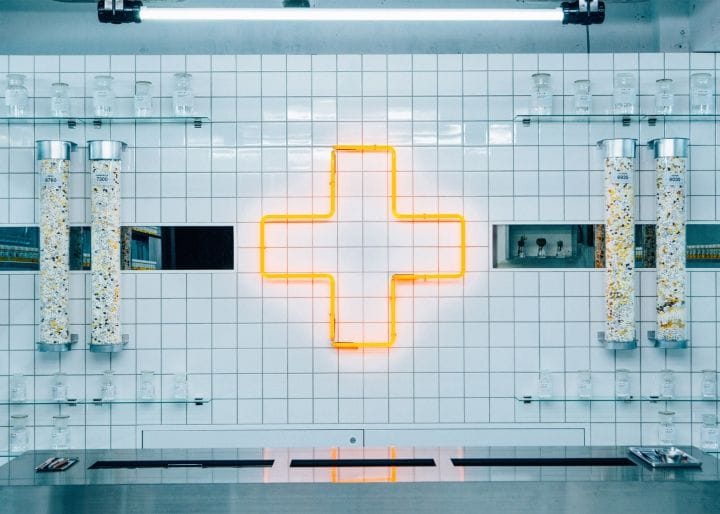
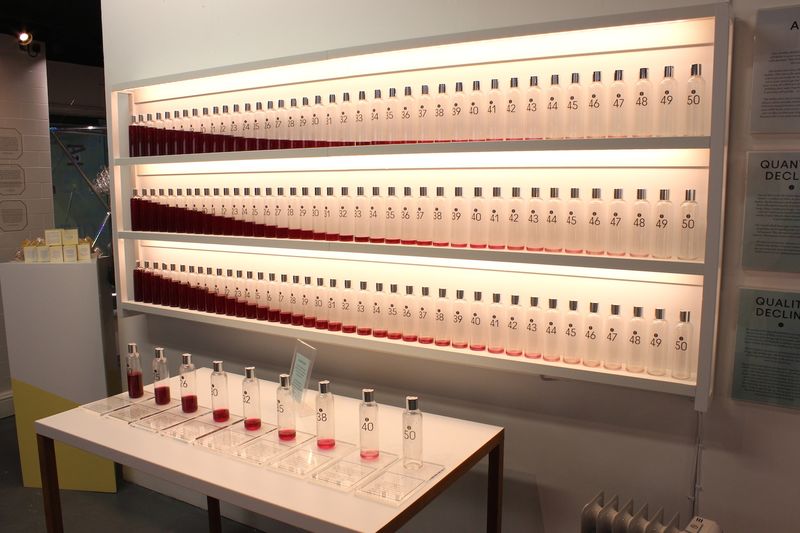
Pretend Pop-Up: As urban consumers become more familiar with unexpected brand interactions in their day-to-day lives, brands have begun launching fake pop-up shops that serve as a covert method of revealing a new product or campaign. This progression is related to the modern consumer's marketing literacy and the need for brands to innovate around what individuals have come to expect from them.
Trend themes
Brands are launching fake pop-up shops as a covert method to reveal new products/campaigns.
Misleading and unconventional experiences are being designed to educate consumers on critical issues.
Faux food pop-ups are offering creative and unconventional products to consumers.
Industry implications
The evolving consumer marketing literacy and need for brands to innovate in unexpected ways is disrupting the industry.
Misleading experiences and unconventional products are disrupting how consumers view critical health and wellness issues.
Faux food pop-ups are redefining the way consumers view conventional food products and the industry at large.
Workshop question
Trend signals
Trend score 4.0 out of 10, from popularity 62%, activity 51%, freshness 8%.
Evidence
This Tokyo Pop-Up is Offering "Fast Food Supplements" for Free
The food and beverage industry can adopt the concept of fast food supplements to attract health-conscious consumers and offer healthier options.
The Timeless Pop-Up Brings Attention to Elective Egg Freezing in London
Opportunities for creating fictional beauty brands and unique experiences for consumers.
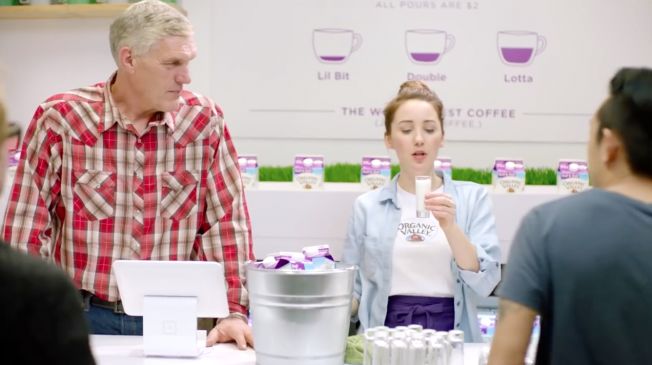
The Organic Valley Pop-Up Sold Half-and-Half with Free Coffee
Food and beverage companies can leverage pop-up cafes and innovative marketing strategies to showcase their products in unique ways.
This Fake Gun Store Experiment Teaches People About the Danger of Guns
Innovative approaches to gun safety education in schools, workplaces, and communities to prevent accidents and promote responsible gun ownership.
Loblaws Debuted Its Gluten-Free Range at a "Fake" Bakery in Montreal
The grocery retail industry has the opportunity to capitalize on the increasing demand for gluten-free products by offering a wide range of options to cater to health-conscious co…