



Category
Lifestyle
Assisted Choices
Consumers think outside of the box with elaborate veggie substitutions.


Trend
Vegetarian 2.0: With the proliferation of food blogs and branded recipe resources that make culinary inspiration increasingly accessible, consumers are fully embracing the replication of elaborate dishes with vegetable substitutions for meat. This progression is related to the health and wellness concerns regarding over-consumption of dairy and meat.
Trend themes
Consumers are opting for plant-based alternatives to traditional meat dishes in an effort to eat healthier and reduce their environmental impact.
Recipes and dishes that incorporate seasonal produce in unconventional ways are gaining popularity as consumers seek to reduce waste and embrace healthier, plant-based meals.
Fast food chains and restaurants are introducing more plant-based and healthy options to appeal to health-conscious consumers.
Industry implications
The food and beverage industry is seeing a rise in plant-based and healthier options to meet the demand of health-conscious consumers.
The trend towards plant-based diets and sustainable food practices reflects a larger movement towards environmental sustainability and conservation.
The popularity of plant-based diets and healthy fast food options reflects a growing interest in health and wellness among consumers.
Workshop question
Trend signals
Trend score 3.8 out of 10, from popularity 56%, activity 49%, freshness 8%.
Evidence
This Cleveland Tavern Offers a Pulled Barbecued Mushroom Sandwich
Restaurants can introduce innovative vegetarian sandwiches like the Pulled Barbecue Mushroom Sandwich to cater to the increasing demand for meat-free options.
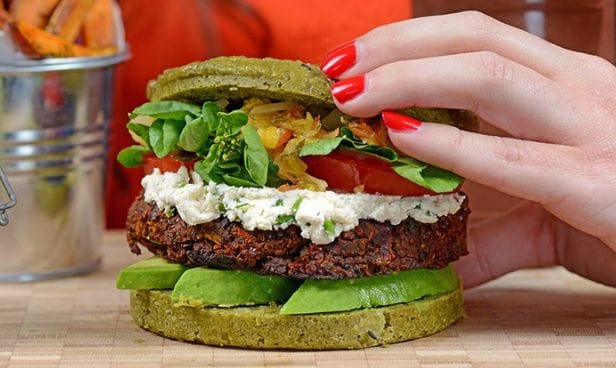
The 'Nutri-Burger' is Branded as the World's Healthiest Burger
The health-food industry can collaborate with chefs and nutritionists to develop and market ultra-healthy burger options to health-conscious consumers.
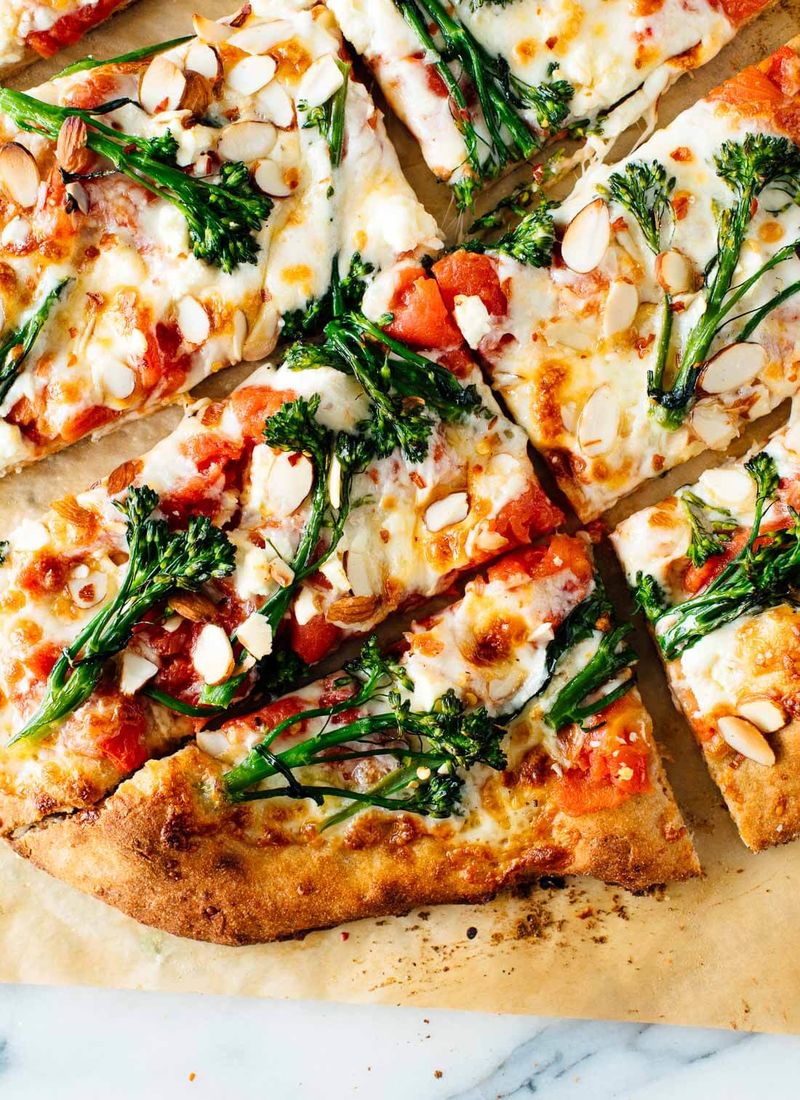
Cookie and Kate's Almond and Broccolini Pizza Recipe is Nutty and Green
The incorporation of unusual toppings and healthier ingredients presents an opportunity for disruptive innovation in the pizza industry
This Recipe Offers a Vegan Twist on a Tasty Mexican Dish
The food and beverage industry can capitalize on the rising trend of plant-based eating by developing innovative vegan dishes and products.
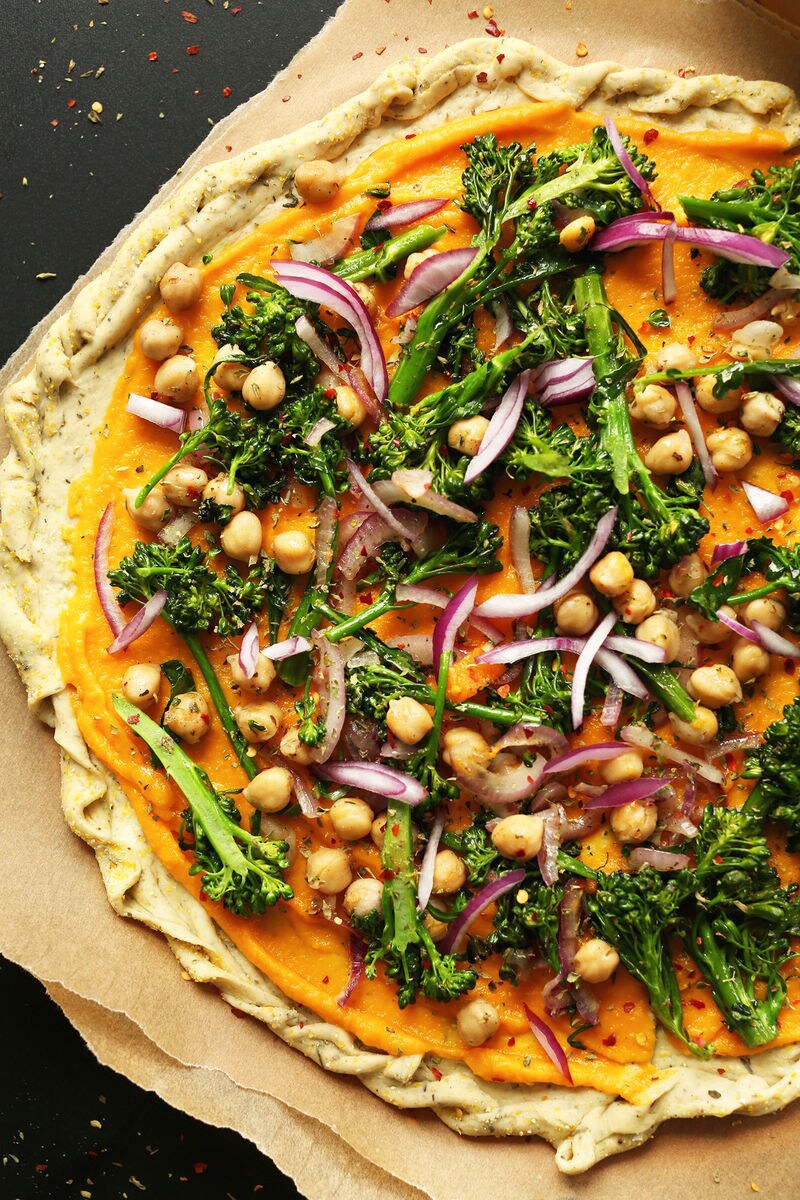
This Pizza is Made from Healthy and Flavorful Fall Ingredients
Incorporating seasonal, trendy ingredients into menu offerings, providing unique and healthy options for customers.

McDonald's is Now Serving the Vegetarian-Friendly 'Veggie McSpice' in Norway
Fast food chains like McDonald's, Taco Bell, and Wendy's are responding to the demand for plant-based options by developing innovative vegetarian menu offerings.

Umami Burger is Now Serving the Impossible Burger by Impossible Foods
Food and beverage companies can capitalize on the demand for plant-based burgers by creating new products and expanding their vegetarian and vegan offerings.
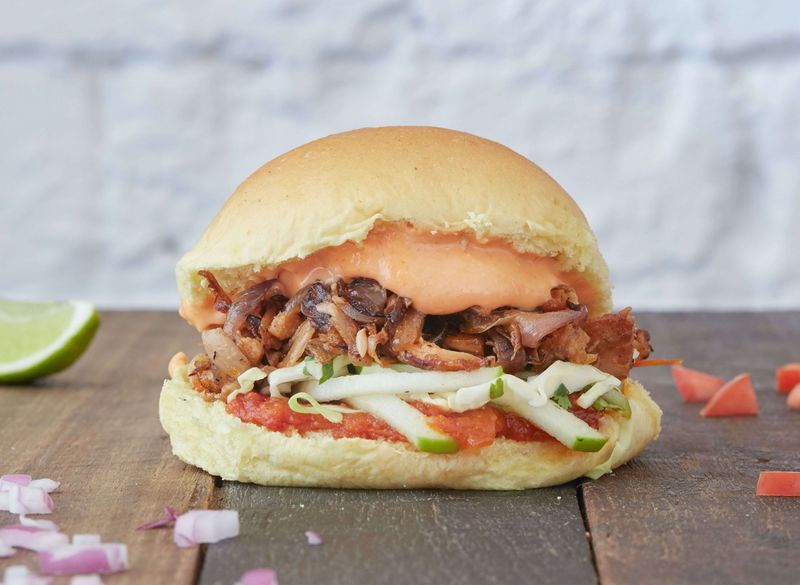
Soul Burger's Pulled Pork BBQ Burger is Made with Jackfruit
Fast food chains are incorporating more plant-based options into their menus to cater to the growing demand for vegan and vegetarian options.
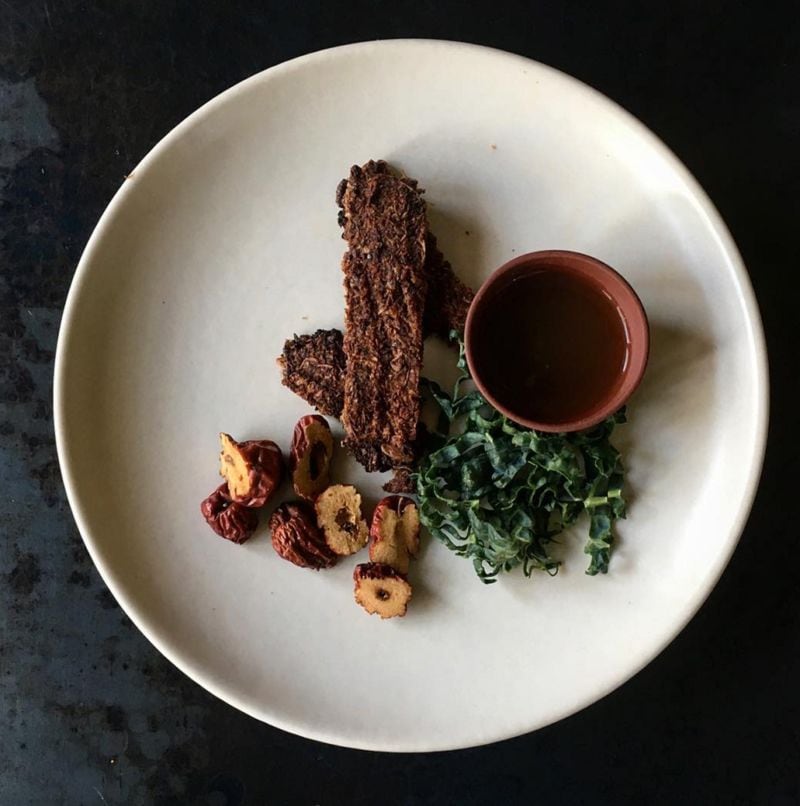
Aketta Offers Recipes for Its Whole Roasted Crickets
Insect-based protein products and at-home cooking ingredients are disrupting the traditional food industry.






