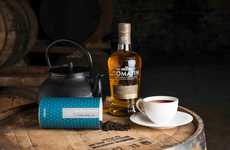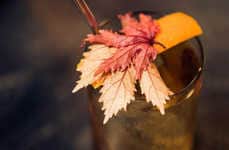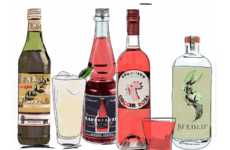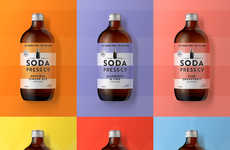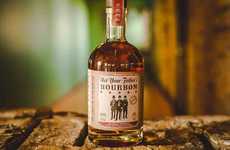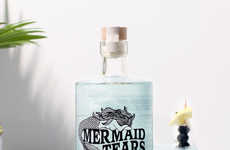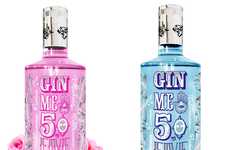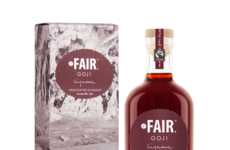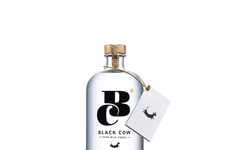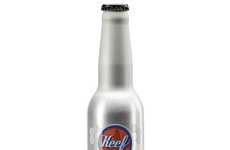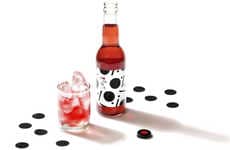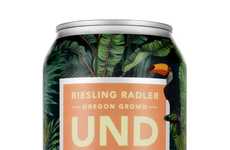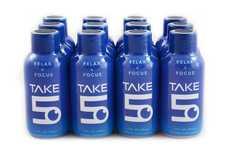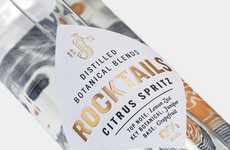
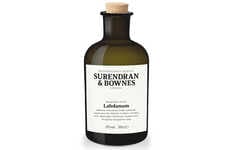
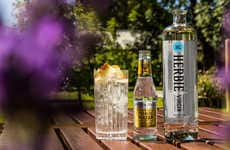
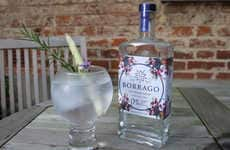
Hard alcohols are being substituted with non-alcoholic spirits with similar flavors
Implications - With the rise of alcoholic craft cocktails has come an adjacent response in the form of non-alcoholic spirits that offer the same flavors as classic liquors like gin and whisky. This shift allows the alcohol industry to expand its consumer base in a seemingly antithetical way, and comes as brands seek to expand their offerings in ways that holistically address consumer lifestyles and concerns.
Workshop Question - How can your brand adapt to address its consumers' needs, preferences, or concerns in a more holistic way?
Trend Themes
-
Non-alcoholic Spirits — The rise of non-alcoholic spirits offers a healthier and inclusive alternative to traditional alcohol products.
-
Botanicals — Using botanicals and distillation to create unique and sophisticated flavors in non-alcoholic beverages and spirits.
-
Zero-alcohol Alternatives — Providing consumers with non-alcoholic versions of popular alcoholic beverages, such as whiskey-aged tea and non-alcoholic gin spirits.
Industry Implications
-
Beverage Industry — Businesses in the beverage industry can explore the non-alcoholic drink trend and create innovative and healthy beverage options for consumers.
-
Hospitality Industry — The hospitality industry can offer non-alcoholic versions of traditional cocktails and spirits to appeal to a wider audience and promote inclusivity.
-
Wellness Industry — The rise of non-alcoholic spirits and sugar-free alternative provides an opportunity for businesses in the wellness industry to promote healthy and mindful drinking habits.