



Category
Lifestyle
Assisted Choices
B2B waste-reduction platforms, initiatives and collaborations are on the rise.


Trend
B2B Waste: As brands look to become more environmentally friendly, they're increasingly turning to businesses that specialize in waste-reduction. Everything from food waste to textile waste is now being addressed and repurposed by emerging B2B businesses.
Insight
As consumers become more eco-friendly, they're putting more pressure on brands to do the same, and to help them adapt their lifestyles to reduce their personal impact. Brands that make these adjustments in authentic ways appeal to the growing demographic of eco-conscious consumers.
Trend themes
Businesses specializing in waste-reduction are offering sustainable solutions for companies looking to become more environmentally friendly.
The rising issue of food waste is prompting businesses to create innovative solutions to minimize its impact on the environment and increase sustainability throughout the food supply chain.
Emerging technologies such as blockchain and AI are revolutionizing the way businesses approach waste reduction and are being harnessed to create innovative and efficient solutions.
Industry implications
Food service providers are increasingly adopting sustainable practices and technologies to combat food waste and improve environmental impact.
Retail businesses are implementing innovative strategies to reduce waste and improve sustainability, such as offering discounts on unsold inventory or implementing AI-driven inventory management systems to minimize waste and improve product freshness.
The textile industry is harnessing the power of emerging technologies such as blockchain and AI to minimize fabric waste and create a more sustainable supply chain, connecting manufacturers with resellers and making fabric acquisition more efficient and eco-friendly.
Workshop question
Trend signals
Trend score 5.7 out of 10, from popularity 88%, activity 74%, freshness 10%.
Evidence
Queen of Raw Uses AI and Blockchain to Sell Fashion Waste
The fashion industry can utilize AI and blockchain technology to reduce textile waste and create a more sustainable and efficient production process.
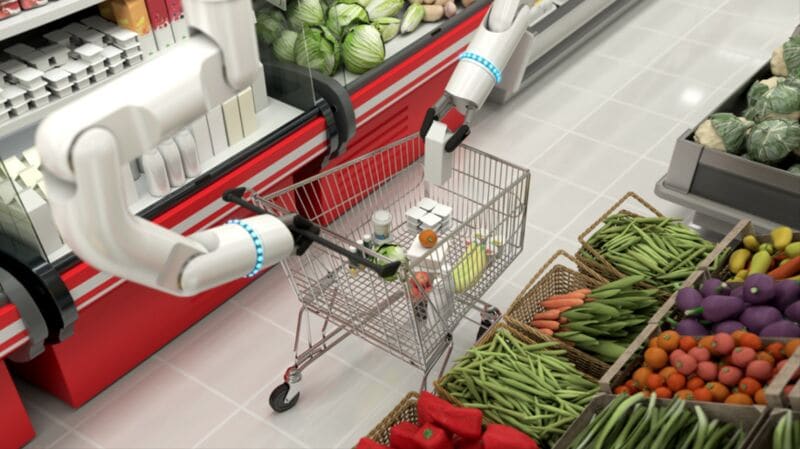
Australian Grocer Coles Joined with AI Relex Solutions
Opportunity for other retailers to adopt AI-based replenishment systems to improve stock order forecasts, reduce food waste, and enhance customer experiences.
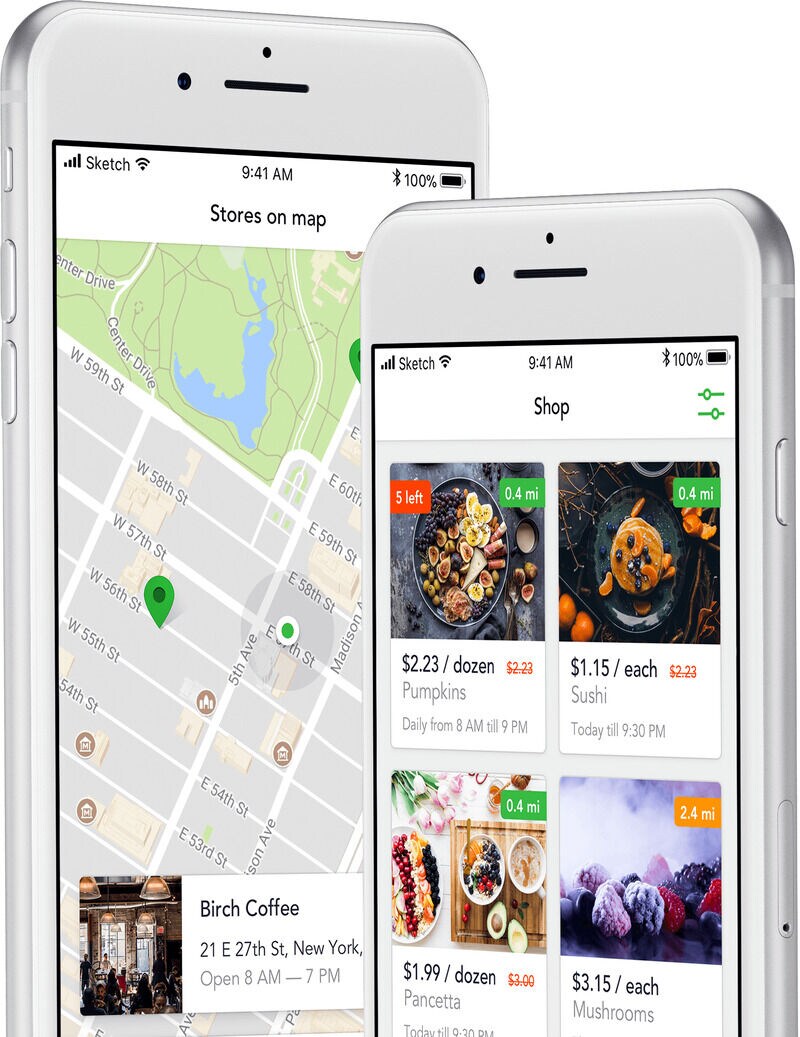
goMkt Fights the Food Crisis with Convenience & Mindfulness
goMkt's model of reducing food waste and increasing foot traffic to local restaurants through discount-based ordering is an innovative way for the restaurant industry to address t…
NY Chef Marcus Samuelsson Partners with Eco-Friendly Food Brands
Restaurants can minimize waste and improve sustainability by sourcing rescued produce through B2B marketplaces like Full Harvest and following the lead of celebrity chefs like Mar…






