Category
Marketing
Polarized Marketing
Stealth advertising and anti-branding lure the logo-averse.
What's Happening
Discreet Consumerism: The wave of consumers against branding has grown in power, fueled in great part by the recession as credit-crunched consumers blame mega-brands for rough economic times. To win over consumers, indie businesses are promoting independence, while those with big names are dropping logos and rebranding with no brand.
Trend themes
Logo-less packaging and rebranding efforts by businesses to appeal to consumers who prefer muted branding may present an opportunity for disruptive luxury marketing strategies.
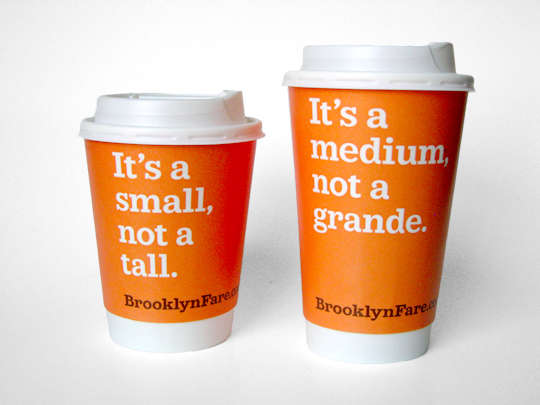
The use of humorous and playful packaging designs, like Brooklyn Fare's, can help small businesses differentiate themselves from their competitors by using ironic humor and satire to create brand loyalty.
Using the anti-branding strategy in coffee shops, clothing brands, and larger corporations like Goldman Sachs and Merrill Lynch to personalize brand identities can inspire a new wave of community-focused branding practices in various industries.
Industry implications
The trend of discreet consumerism presents an opportunity for luxury brands to appeal to a wider demographic of consumers who prefer low-key branding and packaging.
The use of cheeky packaging designs, like Brooklyn Fare's, can be applied to various food and beverage businesses to add humor and personality to their brands.
The shift towards anti-branding and stealth branding can inspire a new wave of community-focused branding practices that redefine what branding means to consumers and businesses, and lead to disruptive innovation in marketing and advertising strategies.
Trend signals
Trend score 5.3 out of 10, from popularity 78%, activity 72%, freshness 8%.
Evidence
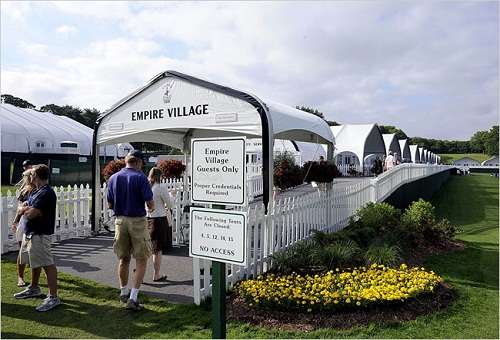
Brooklyn Fare's Branding Puts the Fun in Functional
Opportunity to revamp traditional packaging methods and create unique, eye-catching designs in the retail industry.
Companies Like Starbucks Turn to Logoless Anti-Branding Movements
Retail companies can adopt stealth branding to focus on product designs and building a community personality around their brand.
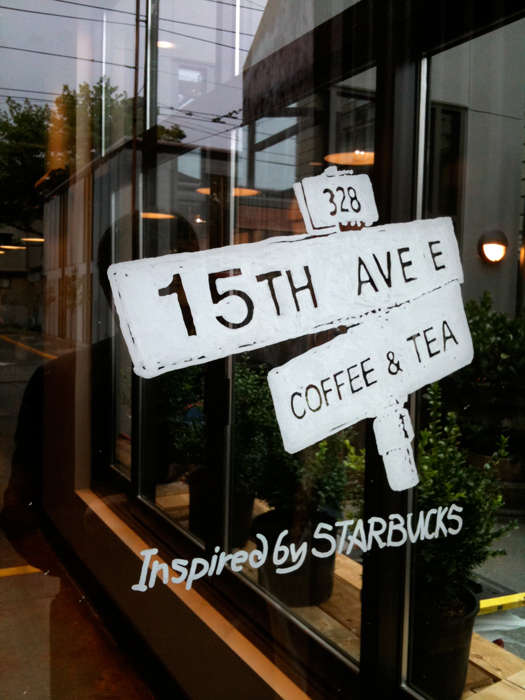
Starbucks 15th Avenue E Coffee and Tea Shops May Even Serve Wine
Coffee shops can differentiate themselves by exploring innovative design, and expanding beverage and entertainment offerings to appeal to new customers.
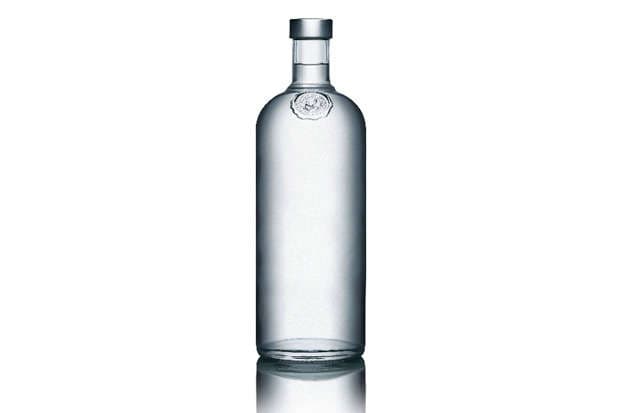
Absolut Vodka No Label Edition Coming in September
The alcohol industry can leverage the label-challenging trend to reinvent their branding strategies and appeal to a wider audience that values authenticity and individuality.
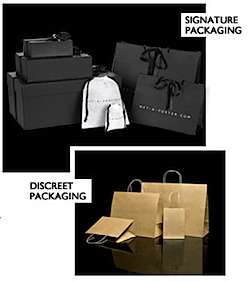
Net-A-Porter Ships Luxury Goods in Brown Paper Bags
Luxury retailers can embrace discreet packaging trends, offering more unbranded and minimalist options for packaging and delivery to appeal to more modest consumers.