
The act of "unboxing" something is made more interesting with augmented reality
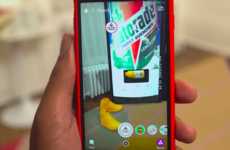
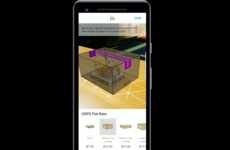
Trend - The process of unpacking a delivery isn't typically an interesting one, and so brands are aiming to create a more interactive unboxing experiences with the help of augmented reality. By gamifying this process, brands are looking to prioritize the enhancement of customer experience, even after the path-to-purchase and delivery.
Insight - The nature of today's fast-paced industries is such that consumers are more often willing to bypass or dispose of branded items at a whim–with the "next best thing" always promised on the horizon. As such, traditional packaging and product experiences are no longer enough, a need for additional multisensory elements, preferably aligned with social platforms consumers are familiar with, can create a more appealing and exciting experience.
Insight - The nature of today's fast-paced industries is such that consumers are more often willing to bypass or dispose of branded items at a whim–with the "next best thing" always promised on the horizon. As such, traditional packaging and product experiences are no longer enough, a need for additional multisensory elements, preferably aligned with social platforms consumers are familiar with, can create a more appealing and exciting experience.
Workshop Question - How could your brand enhance customer experience even after the purchase and delivery of its product/service?
Trend Themes
-
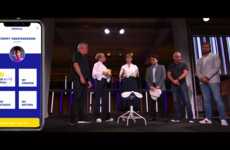
AR Unboxing — Brands are using augmented reality to enhance the unboxing experience, gamifying the process and prioritizing the enhancement of customer experience.
-
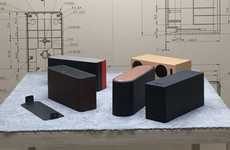
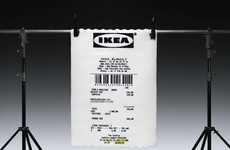
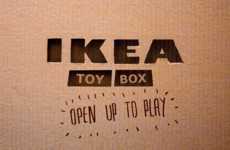
Repurposing Cardboard with AR — Brands like IKEA are using augmented reality to repurpose cardboard boxes, creating playful and creative environments for children.
-
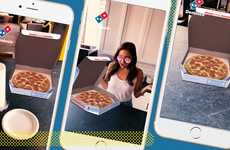
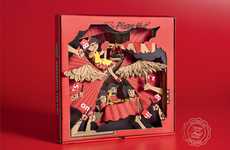
Gamifying Packaging — Companies like Pizza Hut are using augmented reality to add value to standard packaging, engaging consumers in interactive and playful brand experiences.
Industry Implications
-
E-commerce — E-commerce companies can use augmented reality to enhance the unboxing experience, creating more interactive and engaging paths-to-purchase.
-
Retail — Retail companies can use augmented reality to create playful and creative environments for children, making traditional shopping experiences more engaging.
-
Entertainment — Entertainment companies can use augmented reality to create gamified experiences around their content, engaging consumers in playful experiences that drive brand affinity.
4 Featured, 36 Examples:
130,695 Total Clicks
Date Range:
Mar 18 — Feb 19
Trending:
Warm
Consumer Insight Topics: