Category
Tech
Automated Upkeep
Brands thrive for authenticity, making use of self-aware marketing tactics.


Trend
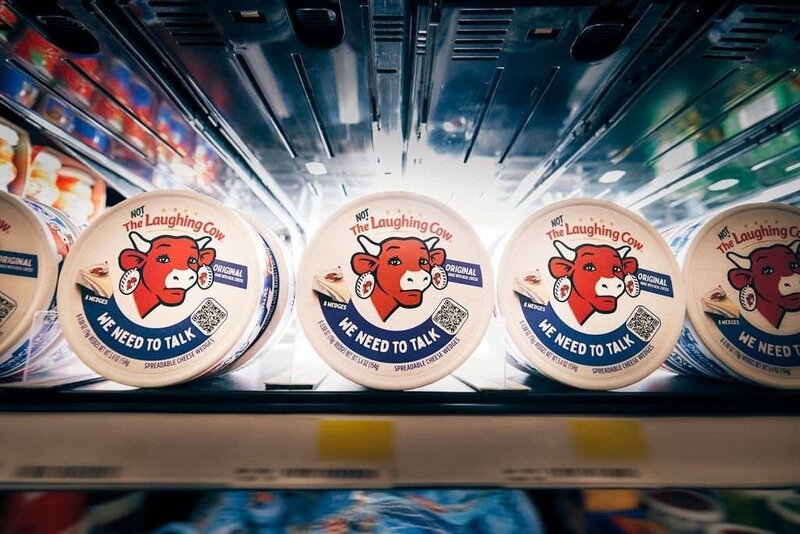
Meta-Marketing: The shift from over-the-top marketing campaigns to more subtle forms of print and television ads has become apparent. Particularly with the rise of millennial purchasing power, brands are looking for ways to appear "real" to this consumer segment and self-mockery is becoming a fast track to become relatable to Gen Y. This form of advertising is now moving beyond marketing and beginning to bleed into other areas such as packaging and retail spaces.
Trend themes
Brands use self-mockery to appear authentic, relatable and appealing to Gen Y.
Brands create humorous commercials for better engagement with consumers.
Advertising is becoming more subtle and bleeding into other areas like packaging and retail spaces.
Industry implications
The advertising industry can leverage self-mockery to engage with Gen Y and use humor for better consumer engagement.
Restaurants and beverage companies can create humorous commercials to attract customers and market their products in a more subtle way.
Retail spaces can use advertising to create a more engaging environment that taps into self-mockery and humor for better consumer engagement.
Trend signals
Trend score 3.9 out of 10, from popularity 74%, activity 34%, freshness 8%.
Evidence
DDB Tribal Dusseldorf's Bingo App Points Out the BS in Advertising
The advertising industry can benefit from disruptive innovation that challenges the use of dishonest and vague advertising claims.
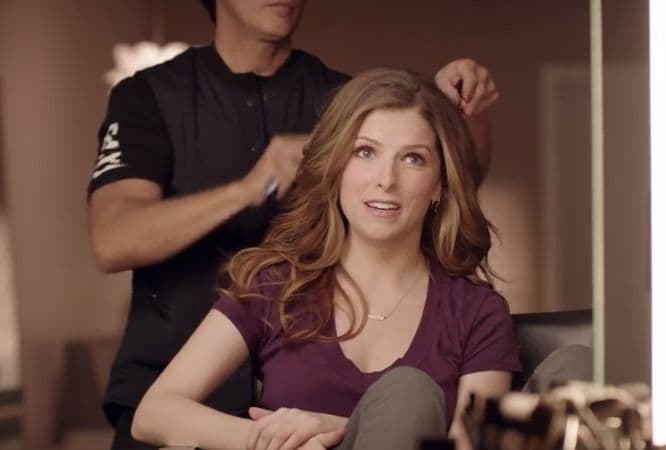
Anna Kendrick Lends a Helping Hand in This Newcastle Brown Ale Ad
Craft breweries can use humor and satire to promote their unique flavors and styles of beer in a crowded and competitive market.
The Arby's We Have Pepsi Campaign Admits the Company Messed Up
Fast food chains can take note of Arby's campaign and use similar tactics to build brand loyalty and engage with customers on social media platforms.
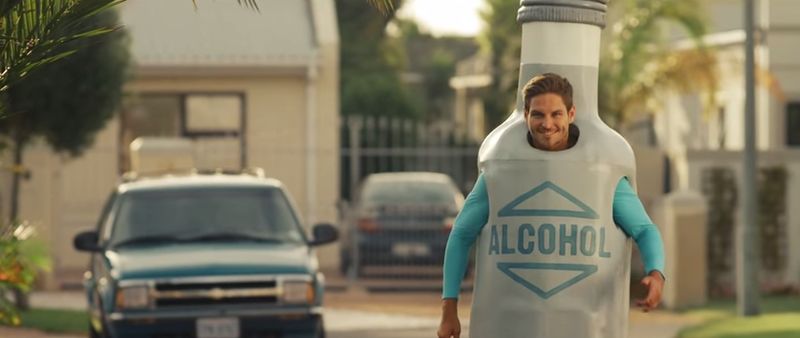
Seth & Riley's Garage Hard Lemonade Brands Itself as 'Genius, Kind Of'
Innovating unique and fun flavors for alcoholic beverages can differentiate a brand in a competitive market
Oak Lawn Toyota's Keys in a Box Parody Riffs Off of a SNL Classic
Opportunity for car dealerships to use creative and humorous marketing strategies to attract customers.