

Category
Lifestyle
Baseline Support
Snack brands release upcycled chips that help reduce waste.

What's Happening
Upcycled Chips: Upcycled ingredients in food and beverage products are becoming more popular, and snack brands that offer upcycled chips are the next to accommodate this trend. By using upcycled ingredients, brands are able to cut down on waste while also differentiating themselves from competitors.
Insight
Sustainability has become a priority for consumers as the consequences of climate change become more apparent. As the climate situation worsens, more consumers will prioritize eco-conscious consumption, and will turn to brands that help this process along.
Evidence
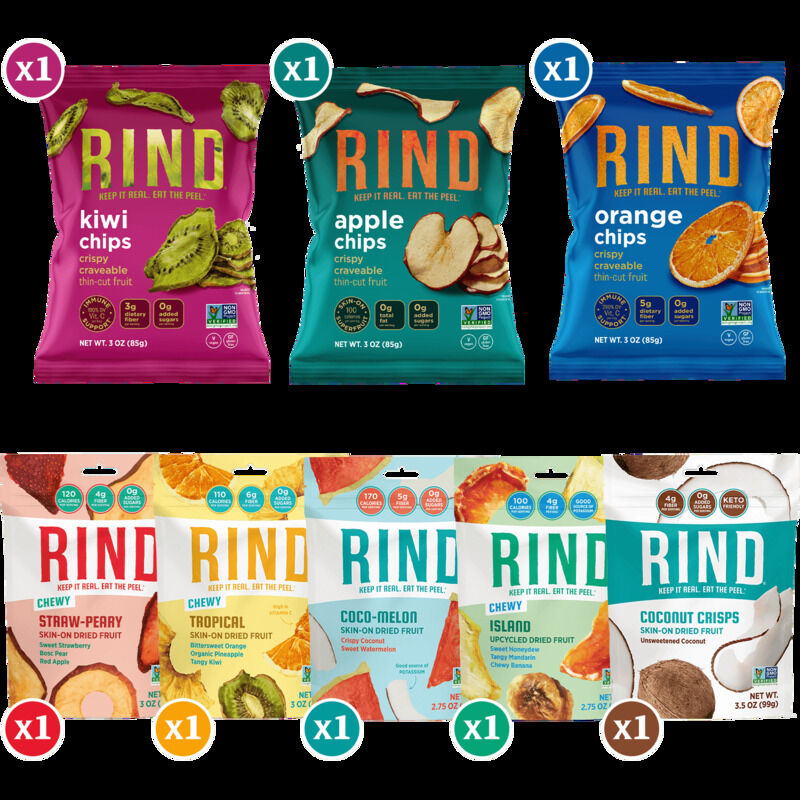
RIND Snacks Signed a New Partnership with The Kroger Co.
RIND Snacks and The Kroger Co.
Pulp Pantry's Pulp Chips Reuse Cold-Pressed Juice Pulp
Innovative products like Pulp Chips offer opportunities for companies in the food and beverage industry to explore new ways of reducing waste and creating sustainable products.
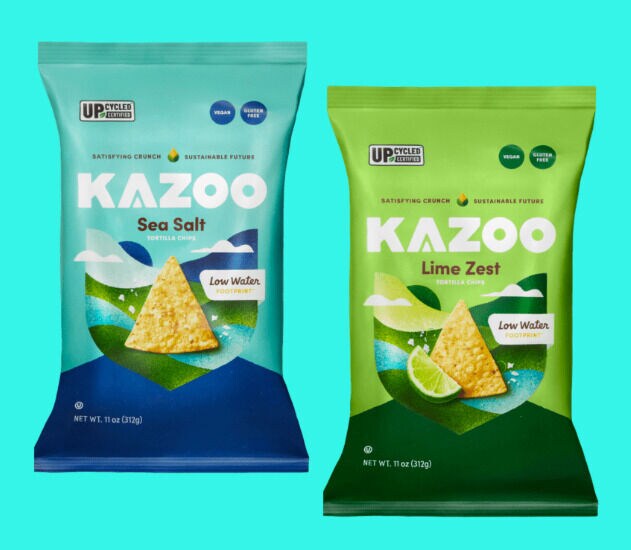
Kazoo Snacks Introduces Upcycled Corn Germ to Its Tortilla Chip Recipe
Kazoo Snacks' incorporation of upcycled corn germ into its Tortilla Chip recipe presents a disruptive innovation opportunity for the snack food industry to create sustainable and…
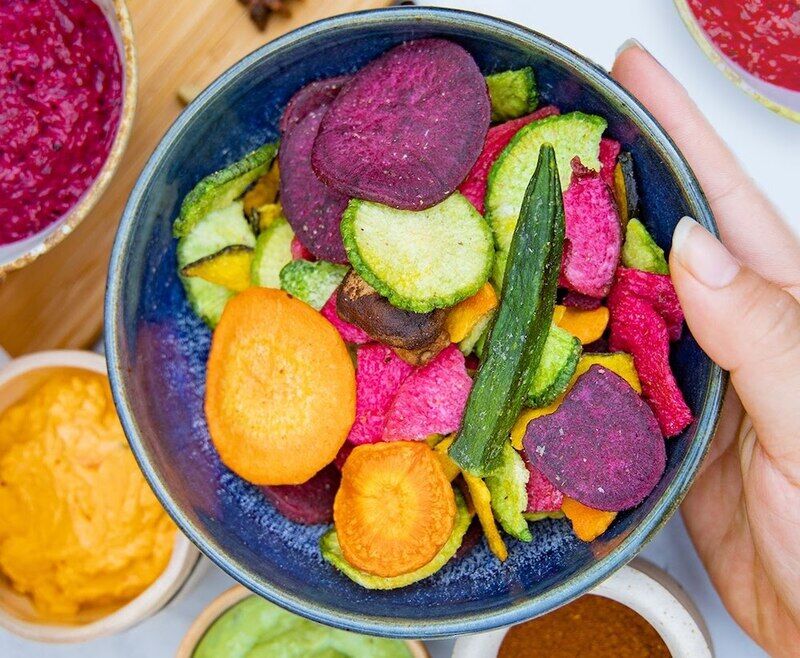
Confetti Fine Foods Creates Artisan Veggie Chips Without Additives
The snack food industry can take advantage of the upcycling trend by creating new products that reduce food waste while also providing healthier options to consumers.
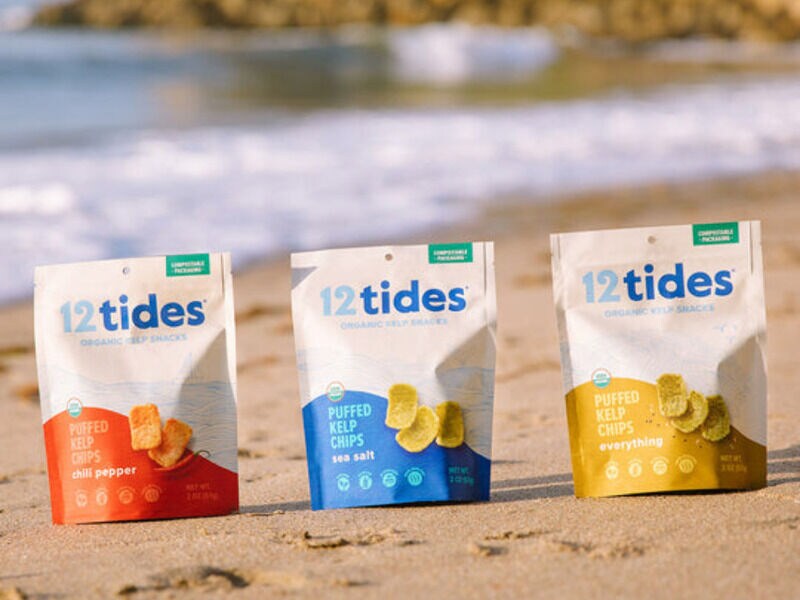
'12 Tides' Launched a Line of Ocean-Positive, Nutritious Kelp Snacks
The launch of sustainable kelp snacks presents an opportunity for companies in the CPG industry to explore creating more eco-friendly products.
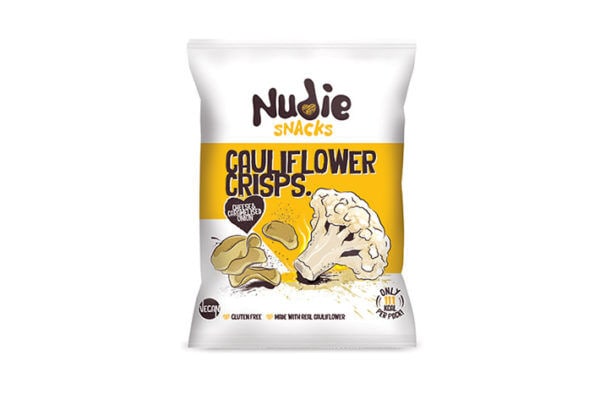
Nudie Snacks Makes Cauliflower Snacks That Reduce Food Waste
The food and beverage industry can leverage upcycled snacks and better-for-you alternatives to cater to conscious consumers.
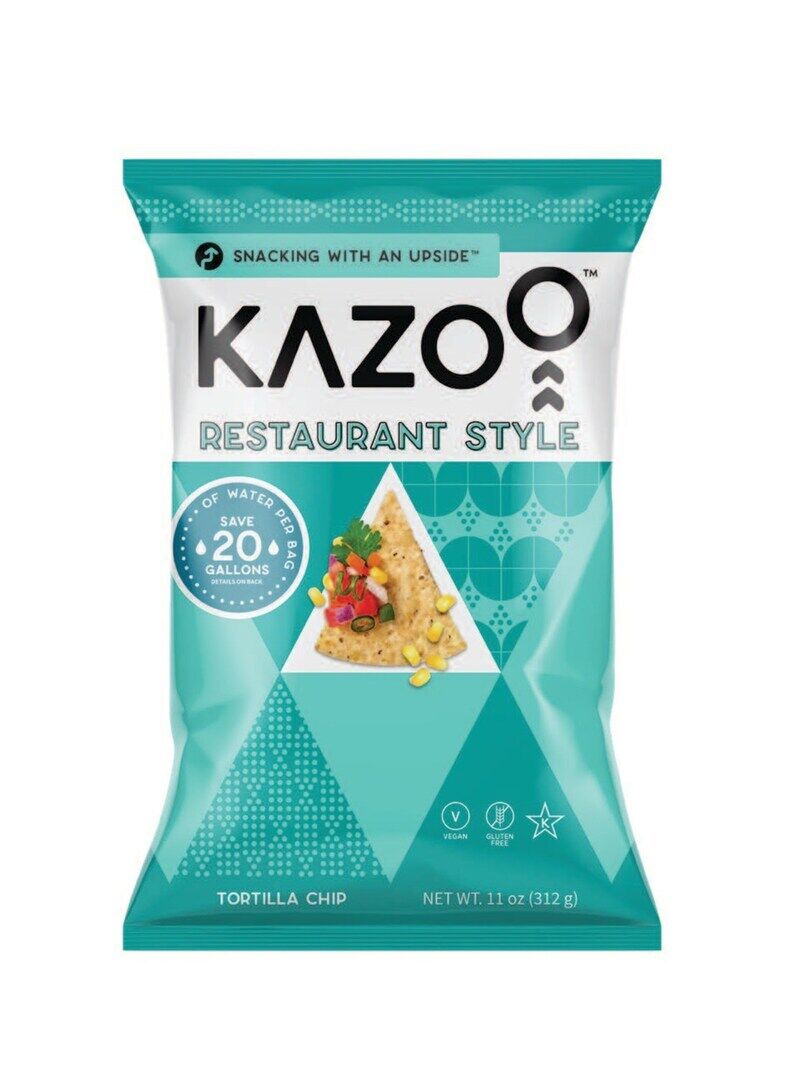
Kazoo Snacks Saves at Least 20 Gallons of Water Per Bag
The food and beverage industry can benefit from utilizing upcycled ingredients and creating water-saving products to appeal to conscious consumers.
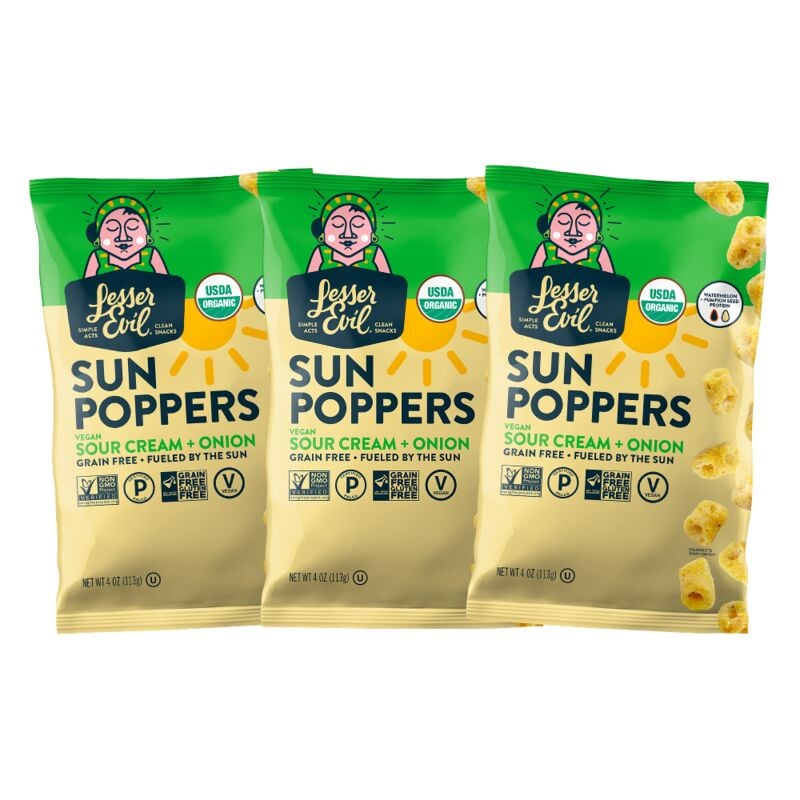
LesserEvil's Sun Poppers Use Upcycled Watermelon & Pumpkin Seeds
The snack industry can capitalize on the growing demand for sustainable, protein-packed snacks made from upcycled ingredients.
Workshop question
How is your brand prioritizing sustainability?
Trend signals
Trend score 5.6 out of 10, from popularity 85%, activity 68%, freshness 16%.
Trend themes
Brands are using upcycled ingredients in food and beverage products as a way to differentiate themselves and reduce waste, a trend that is responding to growing consumer concerns over sustainability and eco-conscious consumption.
Brands are creating grain-free and vegan snacks that use upcycled ingredients, providing consumers with healthier and better-for-the-planet options.
Brands are creating snacks using upcycled kelp or seaweed, a regenerative and ocean-positive resource that generates less waste in its production cycle.
Industry implications
Brands in food and beverage industry can take advantage of the upcycled ingredients trend to reduce waste and differentiate themselves in the market.
As sustainability becomes a priority for consumers, businesses can invest in sustainable practices and products, as well as incorporate eco-conscious consumption in their business model.
The growing concern over climate change has led to a greater focus on conscious consumerism, and businesses can respond to this trend by creating products that appeal to the eco-conscious consumer.