

Category
Lifestyle
Baseline Support
The big box toy market is taken on by vintage-inspired brands and products.
What's Happening
Retro Playtime: Plastic and brightly colored products have long reigned supreme in the toy market, which is being fought against by a new aesthetic that boasts a simple, vintage appeal. This retro resurgence prioritizes a homemade, independent feel that appeals to consumers who prioritize brand authenticity.
Evidence
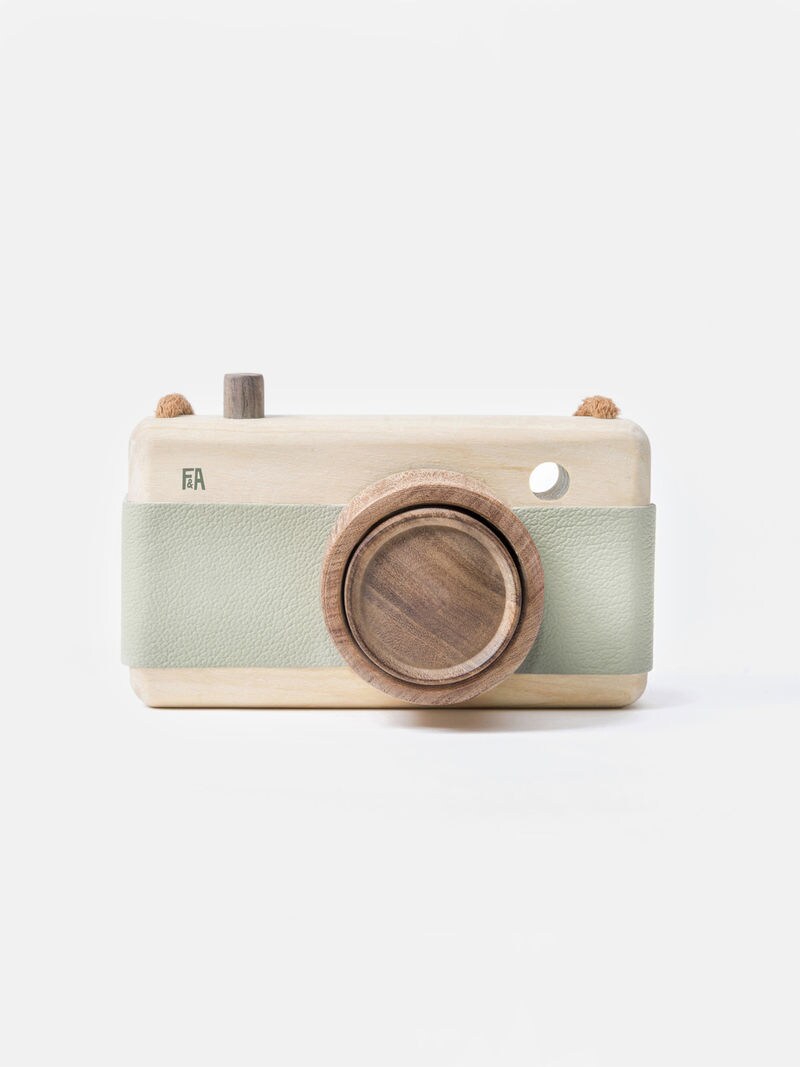
These Retro and Handmade Toys Encourage Imaginative Play
The toy manufacturing industry can explore opportunities in creating more retro and handmade toys to cater to the demand for screen-free play experiences.
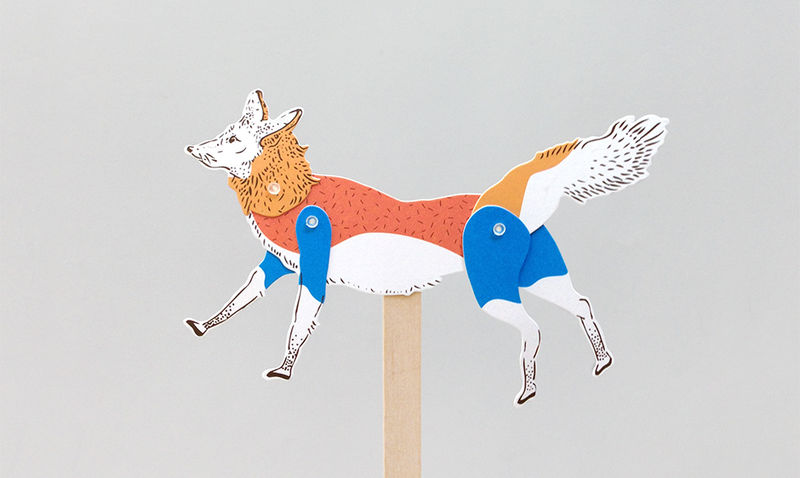
These Eco-Friendly Toys are a Modern Take on a Retro Design
Disruptive innovation opportunities: Incorporate sustainable and recycled materials into toy production to reduce environmental impact.
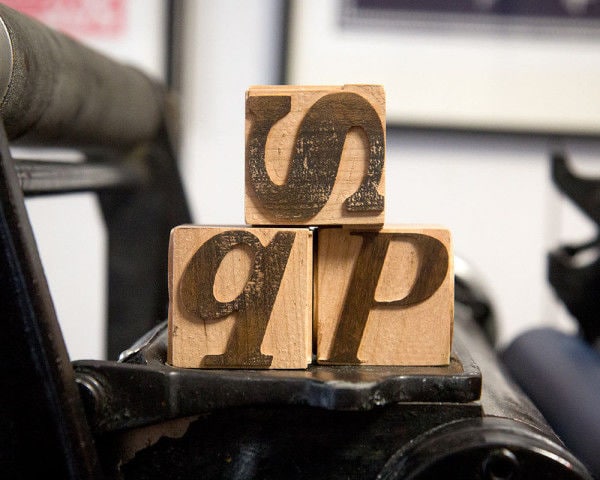
The 'Tykography' Wooden Letter Cubes Teach Children About Typefaces
Opportunity for toy manufacturers to create innovative educational products that teach children about typography and design.
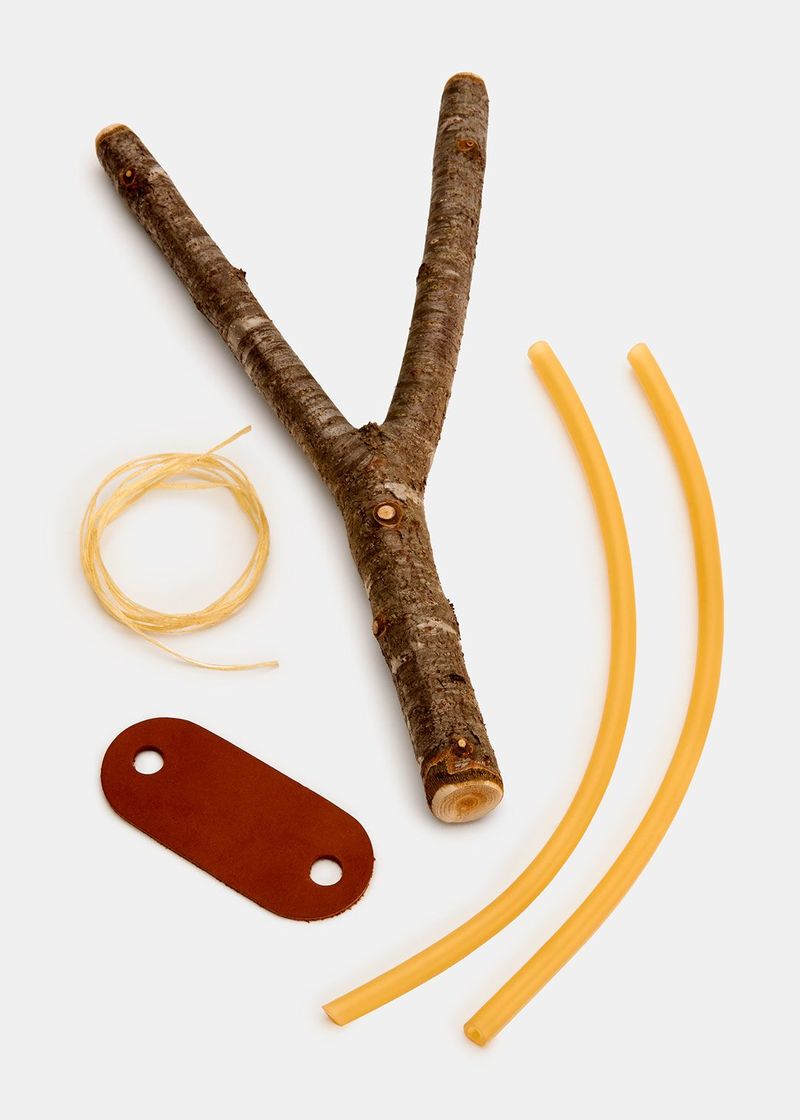
Pied Piper's Build-Your-Own Slingshot Kit Revives a Retro Pastime
Disruptive innovation opportunities for toy manufacturers to cater to the demand for nostalgic toys and DIY kits.
Trend signals
Trend score 3.2 out of 10, from popularity 39%, activity 50%, freshness 8%.
Trend themes
Toy brands are prioritizing a simple, homemade, independent feel that appeals to consumers who prioritize brand authenticity.
Parents and businesses are rebelling against the notion of exposing youth to too much technology, introducing retro toys like handmade wooden cameras and slingshots.
Products like the 'Tykography' wooden letter cubes provide educational opportunities for children while promoting creativity and nostalgia through simplistic designs.
Industry implications
Toy manufacturers can prioritize environmentally friendly, educational, nostalgic toys to cater to consumers who prefer simpler, more authentic products that focus on imaginative play.
Businesses in the consumer electronics industry can innovate with products that help parents limit screen time, while still providing educational opportunities for children.
Educational publishers can create content that combines nostalgia with learning, such as books that educate children about traditional toys and games, or typography-focused books for children.