
Category
Lifestyle
Baseline Support
Addressing consumer critiques, brands adopt tongue-in-cheek approaches.

What's Happening
Stereotype Spoofing: Brands are looking to mock stereotypes as a means to make consumers more comfortable. This step to make branding more appealing uses unabashed humor to break inaccuracies and effectively broaden brand appeal for consumers on a global scale by highlighting inherent human qualities.
Evidence
This Women Empowering Ad Flips Stereotypes Upside Down
Disruptive innovation opportunity: Develop inclusive and stereotype-reversing campaigns to resonate with diverse audiences and challenge societal norms.
This Toyota Car Ad Encourages You to Bust Out the Moves & Do the Wakudoki
Disruptive innovation opportunity for car manufacturers to create unique and memorable advertisements that break industry norms.
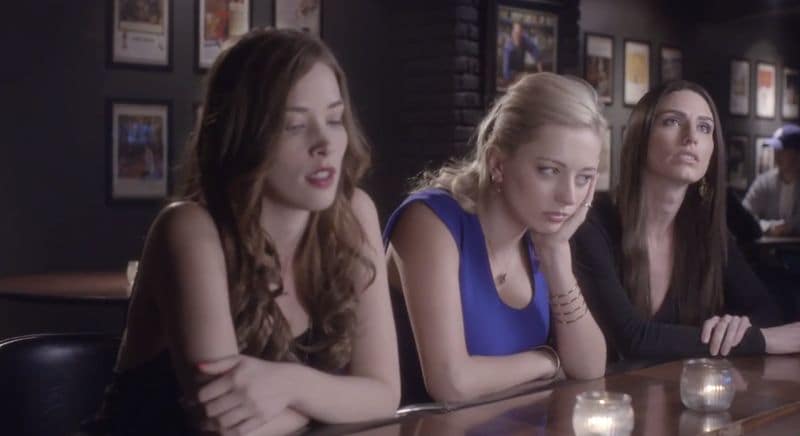
This El Silencio Ad Has a Hilarious Twist to Guys Night Out
Disruptive innovation opportunity in changing the perception of alcohol and beverage marketing by promoting inclusivity and challenging gender stereotypes.
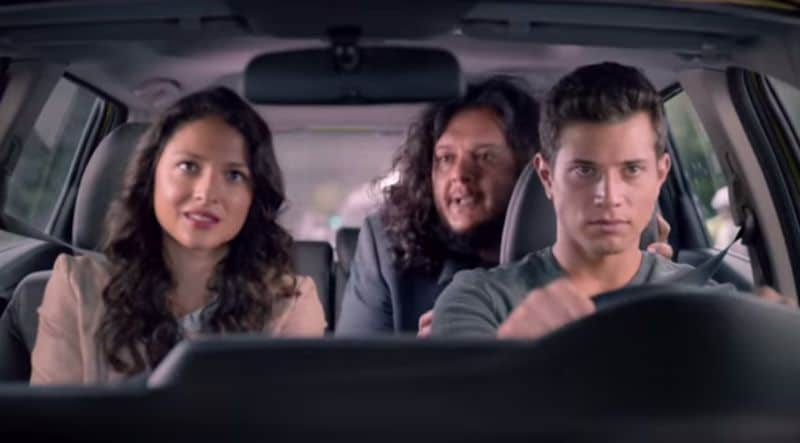
This Honda Car Ad Makes Fun of Typical Ads for Hispanic Millennials
This industry has the opportunity to disrupt traditional advertising methods by using humor to challenge stereotypes and connect with diverse audiences.
Trend signals
Trend score 3.8 out of 10, from popularity 79%, activity 27%, freshness 8%.
Trend themes
Humorous branding campaigns that look to mock stereotypes so as to crush inaccuracies and effectively broaden brand appeal for consumers
Intriguing and attention-seeking campaigns that involve group dances to promote innovative car features and launch contests
Ads that mock and poke fun at stereotypes and cliches surrounding different cultures, countries, and lifestyles in order to appeal to wider audiences
Industry implications
Brands exploring humorous ad campaigns and viral marketing techniques designed to promote universal brand appeal
Auto industry manufacturers exploring unique ways to promote their brand, from humurously choreographed ads to campaigns that destereotype and change traditional auto marketing practice
Beverage companies creating humorous campaigns that target broad audiences and use several themes including group outings and women empowerment themes to promote alcoholic beverages