



Category
Lifestyle
Assisted Choices
Seeking convenience, consumers turn to more adaptable water bottles.

Trend
Compact Hydration: Moving beyond traditional canteens and plastic bottles, consumers are turning to collapsible water containers for greater adaptability. Integrating abstract shapes that allow for space saving, these products combine compact packaging designs with a need for health-focused products.
Trend themes
Consumers are opting for more flexible and collapsible water containers for greater adaptability.
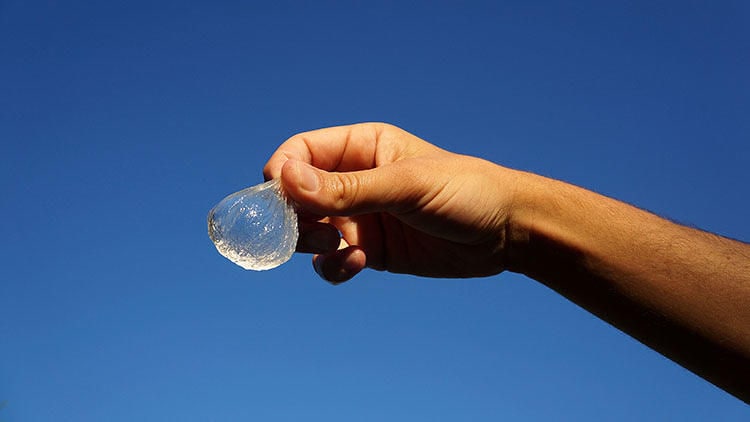
The Ooho Water Bottle and their process of making water bottles out of brown algae and calcium chloride illustrates an alternative to the traditional plastic water bottles.
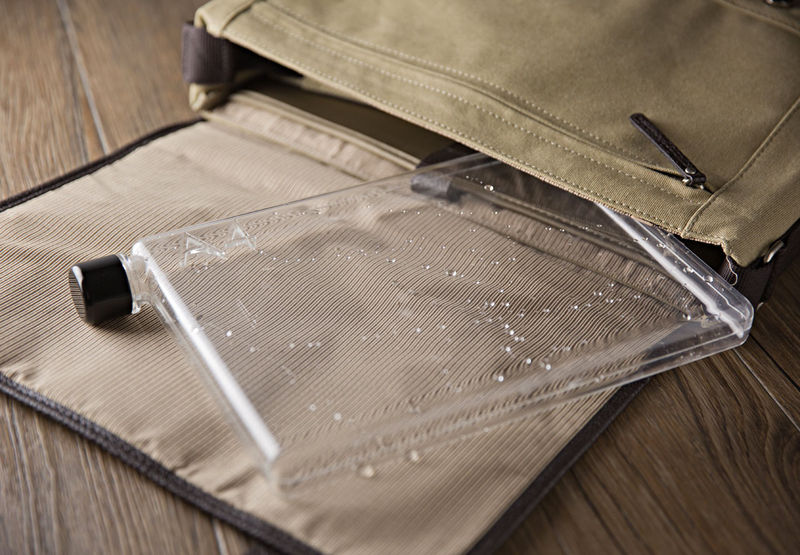
Innovation in design, like the Memobottle which was inspired by paper, is creating a slimmer and more convenient option for everyday use.
Industry implications
The increasing demand for adaptable and edible water bottles presents an opportunity to invent biodegradable packaging options that consumers want.
The Water Spider is an example of adaptable water bottles used for disaster relief that can influence a new shift towards packaging designed for disaster scenarios.
With the increase in demand for health-conscious products as seen with adaptable and slim water bottles, an opportunity arises for food and beverage businesses to expand their market in this niche.
Trend signals
Trend score 5.1 out of 10, from popularity 70%, activity 76%, freshness 8%.
Evidence
The Super Slim Memobottle is Easy to Pack for Everyday Use
Opportunity for disruptive innovation in the consumer goods industry to develop slim and sustainable water bottle products.
The Ooho Water Bottle is an Edible Alternative to Plastic Versions
The Ooho Water Bottle's innovative approach to packaging can disrupt traditional plastic water bottle manufacturers.
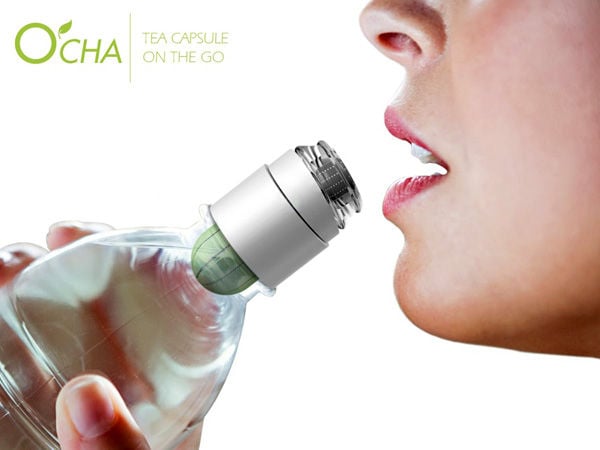
The O'Cha Tea Capsule Lets You Conveniently Create On-the-Go Infusions
Beverage companies can innovate by creating portable and efficient solutions to provide consumers with on-the-go infusions.
The Water Spider Supplies Clean Water to Trapped Earthquake Victims
The emergency response industry can explore disruptive innovation opportunities by leveraging compact and collapsible emergency canteens, such as the Water Spider, to improve the…






