Category
Art & Design
Oven Aesthetics
Industrial materials take on more malleability to accommodate today's needs.
Trend
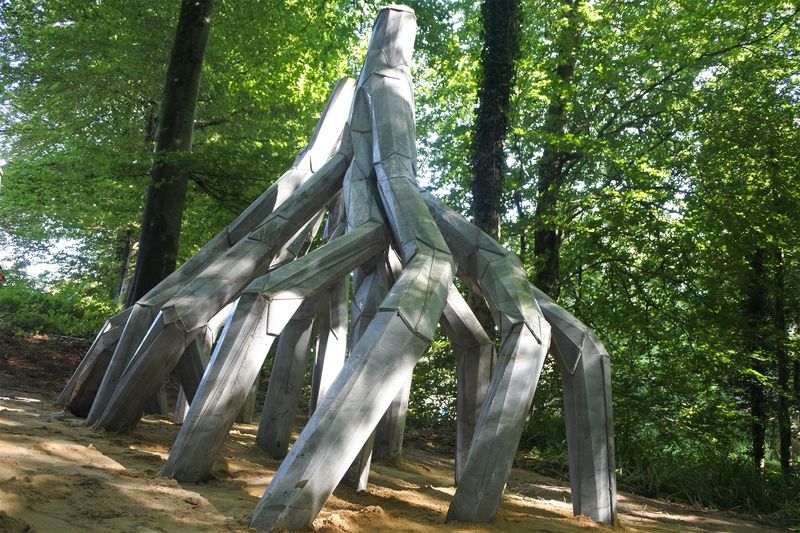
Flexible Endurance: Though first and foremost, construction materials must be durable, architectural needs -- whether they be aesthetic or functional -- call for flexibility as well. As a response, more malleable, yet strong materials are being developed. This pursuit of perfection speaks to the nature of progress in the technology-driven world.
Trend themes
The pursuit of flexible yet strong materials continues as more emphasis is on both aesthetic and functional needs.
Eco-friendly building material gains traction as it is cheaper, stronger and with added benefits such as ease of transport.
Collaborative construction through computational design and robot fabrication allows for use of unconventional materials like concrete with sculptural and structural integrity.
Industry implications
The construction industry can take advantage of the new malleable materials for a variety of applications.
Infrastructure industry can use sustainable alternatives for cost-effective and stronger construction.
Architectural industry can explore computational design to collaborate on unconventional structures while utilizing concrete for sculptural and structural integrity.
Workshop question
Trend signals
Trend score 3.6 out of 10, from popularity 37%, activity 64%, freshness 8%.
Evidence
Weave.X Was Built Through the Use of Computational Design
The architecture industry can leverage the use of computational design and robot fabrication to disrupt traditional building methods and create innovative structures.
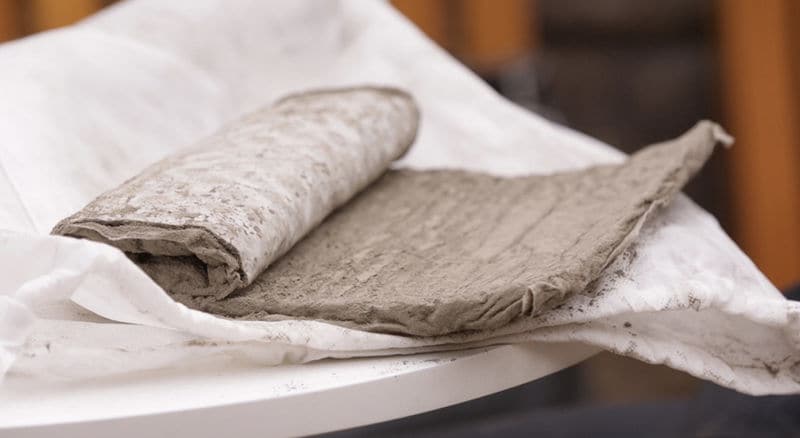
This Alternative to Cement is Twice as Strong and Easier to Transport
The development of rollable cement alternatives has the potential to disrupt the building materials industry by providing cheaper, stronger, and quicker-to-install solutions.
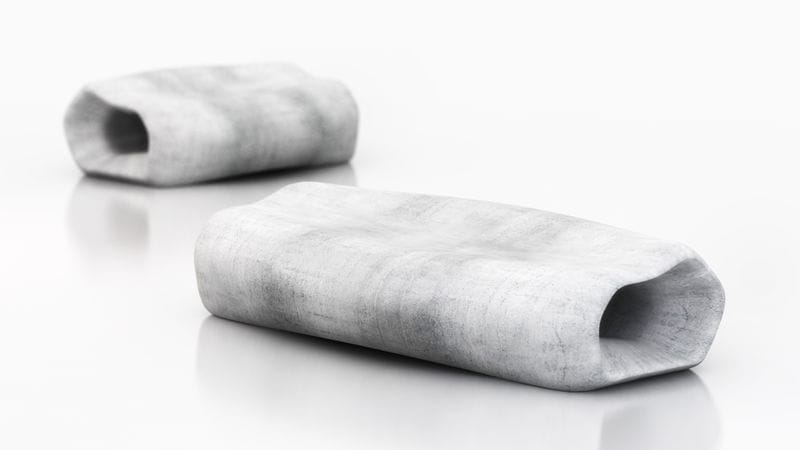
The Beton Seating Units Are Made with Glass Fiber-Reinforced Concrete
Opportunity to create innovative seating designs for both indoor and outdoor spaces.
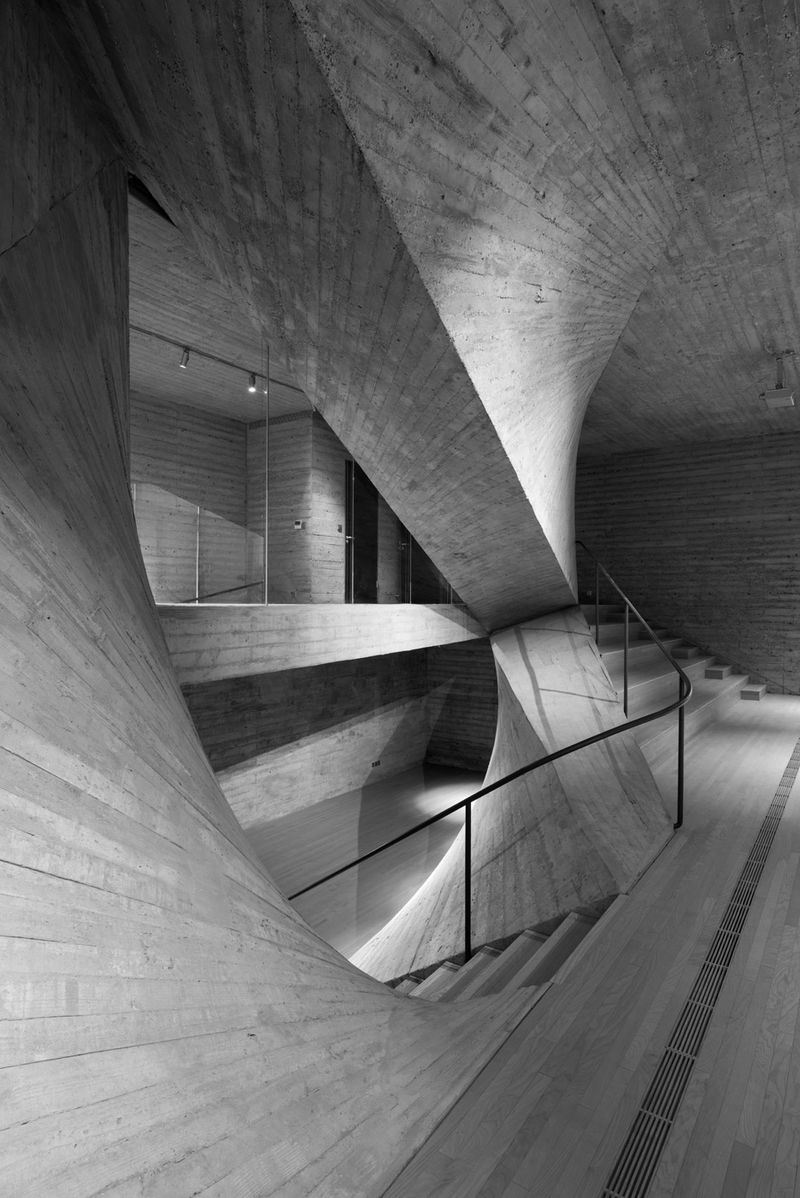
This Contemporary Art Center Features Unusual Dimensions
Innovative architects can explore unconventional designs and materials to create stunning and unique structures.