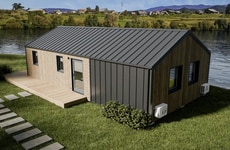
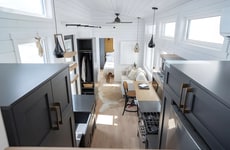
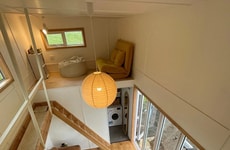
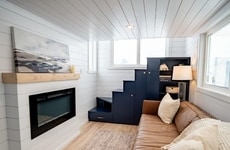
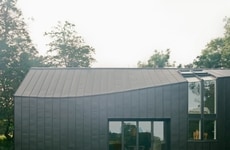
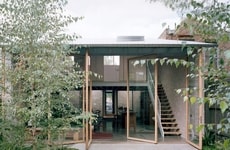
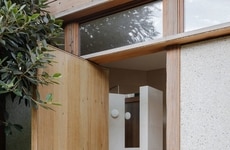
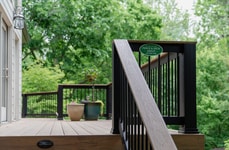
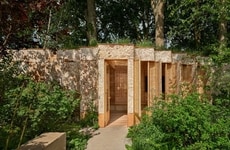
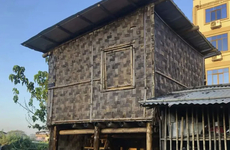
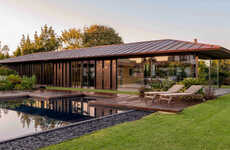
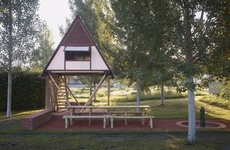
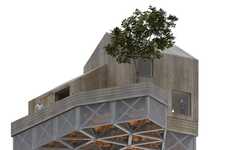
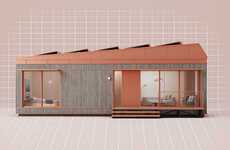
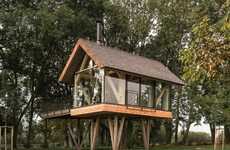
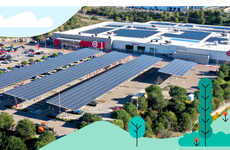
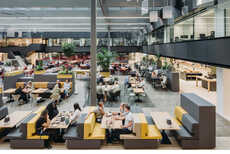
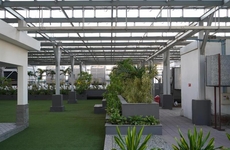
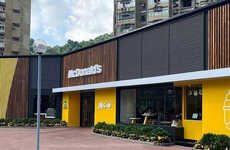
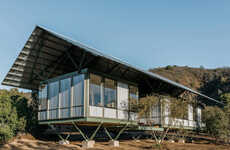
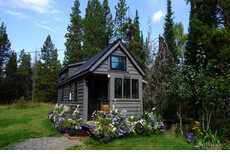
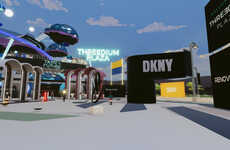
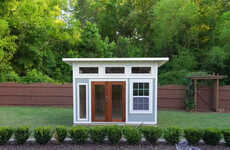
Trend - Designers are using built-ins, modular elements, vertical layouts, and multifunctional zones to make limited square footage feel more intentional. These spaces are increasingly being positioned beyond conventional housing formats through mobile, rooftop, or remotely sited models that aim to expand where and how people can live and/or work.
Trigger - Consumers, especially those part of the Millennial and Gen Z demographics, are revisiting the concept of home with a focus on practicality, comfort, and affordability. While some are rethinking how they live because of the urban housing crisis, others are prioritizing simpler, lighter living to balance the "always-on" culture of digital spaces. Many are approaching modular or alternative residential structures as lower-risk investments that can be more responsive to their current needs, without feeling rigid or permanent.