Category
Life-Stages
Constructible Franchises
Leather is adapted for all age groups to communicate luxury and edge.
Trend
Adaptive Edgy: The post-recession consumer is very interested in opportunities to communicate status, making leather an ideal material for all wares. Accelerating this pattern, many companies are using leather for unexpected products, such as products for babies and children. This signifies a lean toward a holistically prestigious lifestyle.
Trend themes
Using luxurious and edgy materials, such as leather, in new and unexpected ways for products intended for all age groups.
Consumers are interested in products that communicate status, emphasizing leaning towards a holistically prestigious lifestyle.
Parents are seeking products that combine fashion and functionality, providing a stylish alternative to traditional baby gear.
Industry implications
Fashion designers and brands can incorporate luxurious and edgy materials, such as leather, into new and unexpected products and accessories, creating a new market segment.
Creating products that combine fashion and functionality, offering parents stylish alternatives to traditional baby gear.
Manufacturers of high-end goods can benefit from incorporating stylish and luxurious materials, such as leather, into products targeted for all age groups.
Trend signals
Trend score 3.0 out of 10, from popularity 43%, activity 40%, freshness 8%.
Evidence
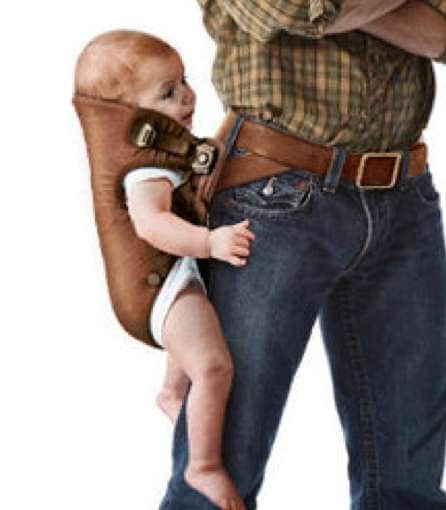
The 'Baby Hjölster' Holds Your Child Western Style
The baby products industry can explore new design concepts to offer more diverse and appealing options for parents.
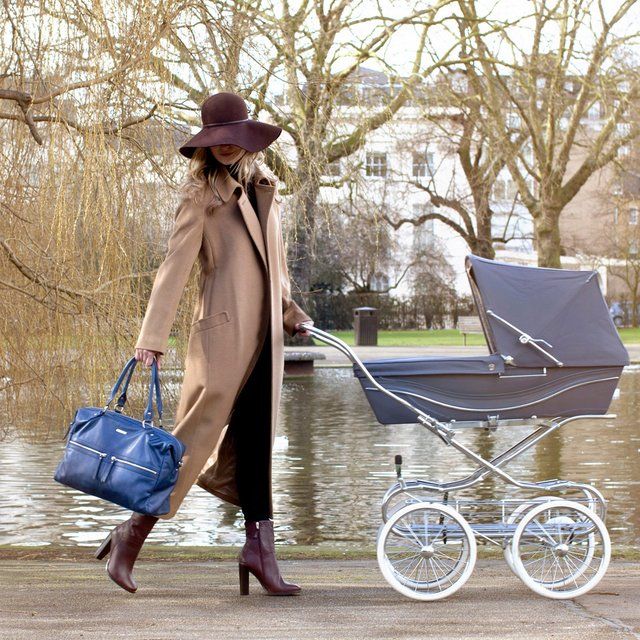
This Stylish Diaper Bag is Nice Enough to Use Even if You Don't Have a Child
Developing new and innovative baby products that cater to parents' needs and preferences in a stylish, practical way.
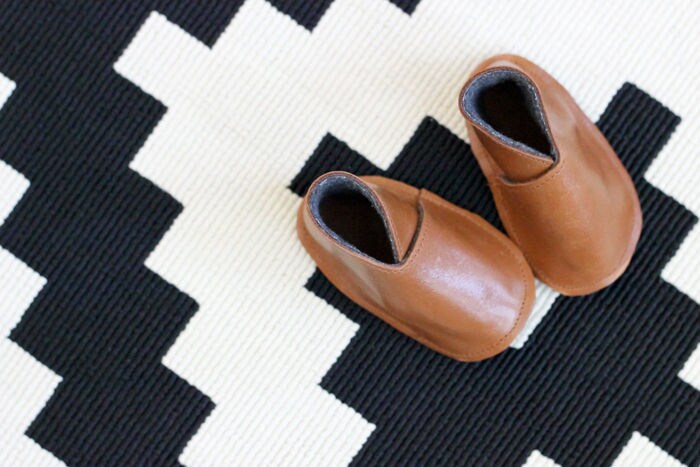
These DIY Leather Baby Boots are Perfect for Fashion-Forward Parents
The fashion industry can provide more affordable and stylish options for infants.
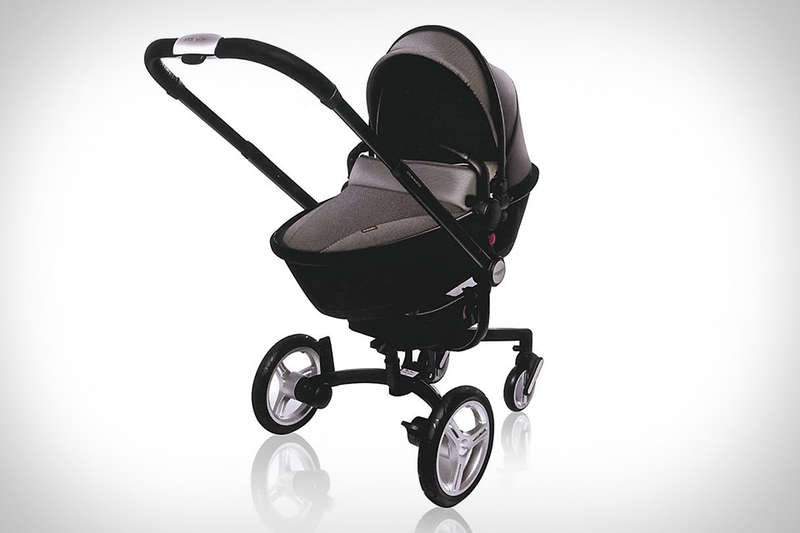
The Aston Martin Silver Cross Surf is Fit for Royal Babies
Luxury car manufacturers can explore opportunities to expand into the baby products market.
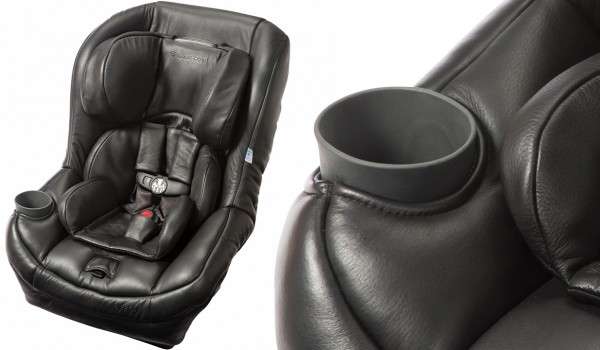
Maxi-Cozi Pria 70 Launched a Leather Edition for Traveling in Style
Manufacturers of baby products can capitalize on the growing demand for luxury and eco-friendly baby gear by developing innovative and high-quality products that meet the needs of…
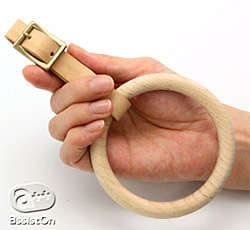
The AssistOn Strap for Children Keeps Kiddies Close By
The child safety products industry can capitalize on the demand for innovative solutions that keep children safe in crowded public places without the use of leashes.