Category
Business
Assisted Conversion
Consumers accustomed to e-commerce are targeted by sales person-free shopping.
Trend
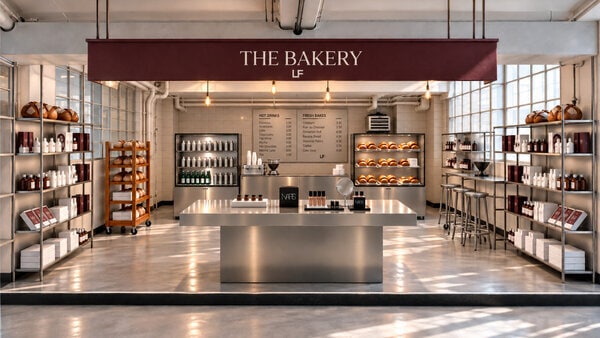
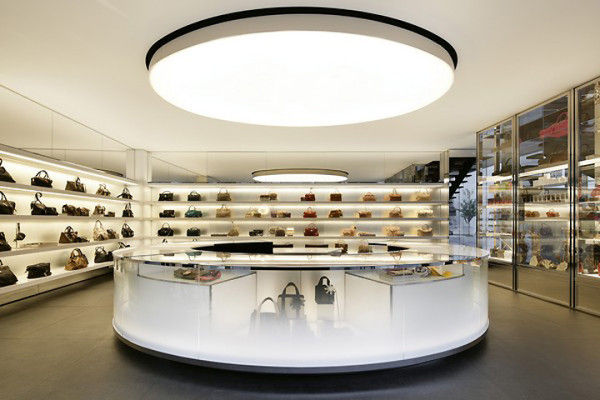
Shopping Autonomy: As consumers become more accustomed to shopping online, the inclination to shop alone is stronger than ever, which is being acknowledged by retailers boasting a more autonomous shopping experience with regard to store concept and display design. While the decrease in dependency on sales people saves resources, the reinforcement of shopping autonomy through less interactivity makes the concept of physical retail seem more dated. This move towards less formalized retail ignores older generations who prefer help, but fits perfectly with the Millennial shopper who already know what they want before even entering the store from online research.
Trend themes
Retailers are creating more autonomous shopping experiences, emphasizing less interactivity and more independent shopping that saves resources.
Fashion brands and retail chains are experimenting with accepting tweets, Instagram photos, and social media transactions as currency for their products or services
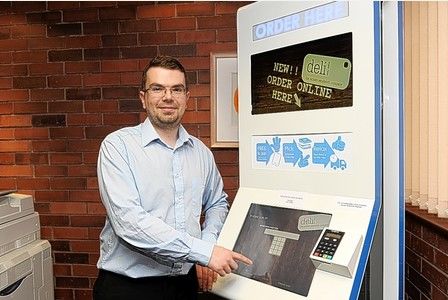
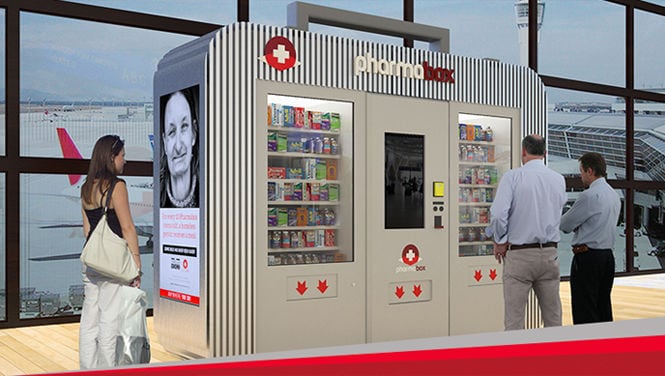
Retail chains like Pharmabox and Deli No.1 are using cutting-edge kiosk technology to provide fast, easy, and convenient services that save time and make purchases more streamlined for consumers.
Industry implications
Retailers are using autonomous shopping experiences that save resources and put more control in the hands of the shopper.
Social media currency examples transform transactions into social media promotion and can redefine advertising and customer reward systems.
Convenient, self-service kiosks provide innovative opportunities for hotels, restaurants, and other hospitality businesses to engage customers and streamline service.
Trend signals
Trend score 5.0 out of 10, from popularity 71%, activity 72%, freshness 8%.
Evidence
The Daisy Marc Jacobs Pop Up Shop Will Accept Tweets as Payment
Retail companies adopting new payment mechanics to enhance the customer experience.
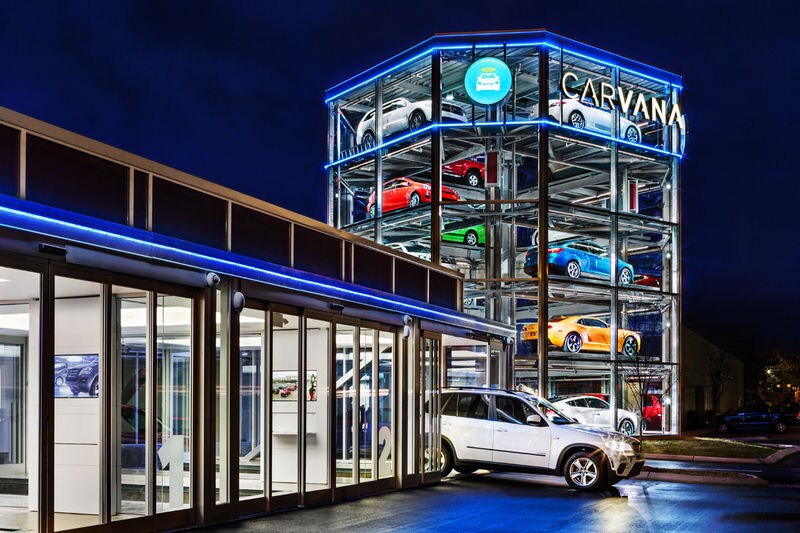
The Carvana Dealership Gamifies Car Pick-Ups with a Car Vending Machine
Disruptive innovation opportunity: Integrate online purchasing and offline experiential services to enhance the car buying experience.
These Kiosks Allow Customers to Order Food for Future Deliveries
New and innovative technologies in the restaurant industry could revolutionize the way customers order food and drinks and experience service and convenience.
This Interactive Kiosk Provides a Convenient Shopping Experience
Opportunity for retail stores to enhance the customer experience and increase convenience through automated pharmacy kiosks.
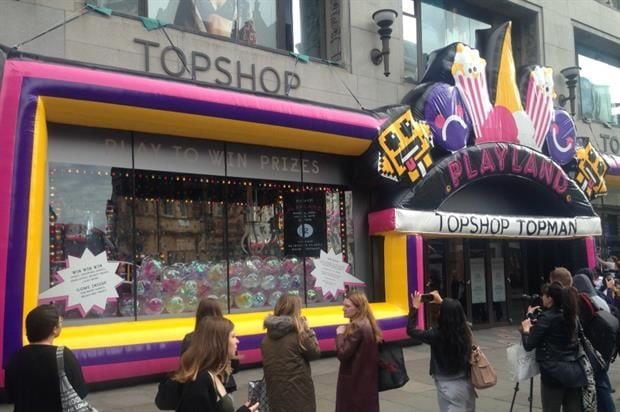
The Topshop Playland Pop-Up Lets Visitors Pay with a Tweet
Opportunities for retailers to explore innovative ways to connect with customers and drive sales through social media-powered experiences and gamification.
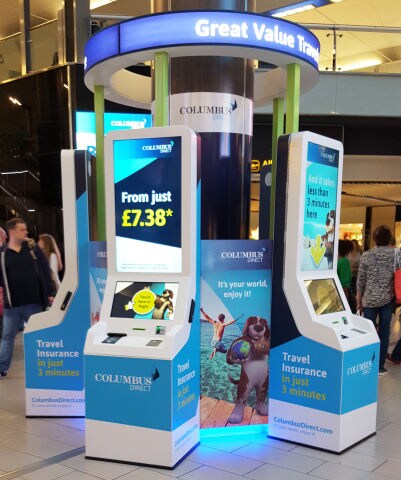
This Airport Kiosk Allows Travelers to Get Insured Right Before a Flight
Insurance companies can explore offering coverage at airports and other transportation hubs.
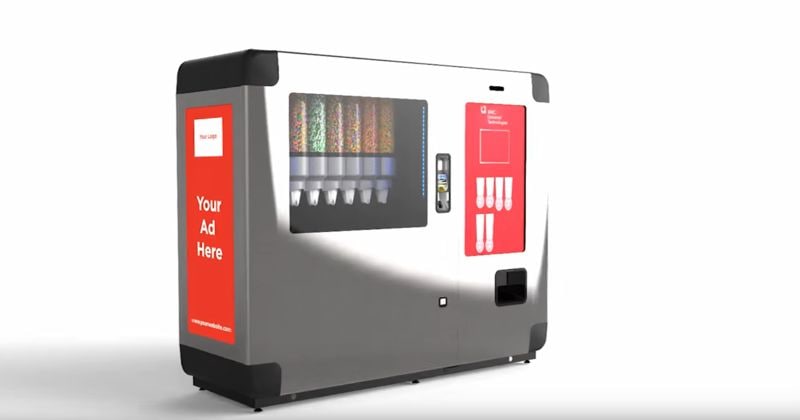
BMC's 'Media Kiosk' Collects Data, Mobile Payments and More
The retail industry can leverage interactive candy kiosks to enhance customer engagement and gather valuable data for personalized marketing.