
Category
Lifestyle
Assisted Choices
Brands are launching biodegradable, single-use masks and gloves.
Trend
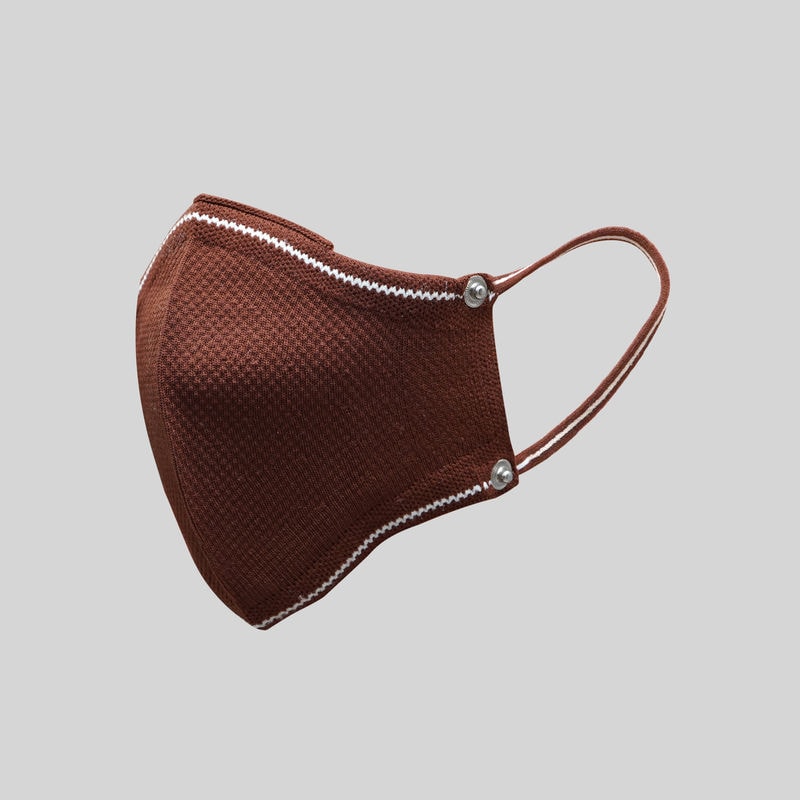
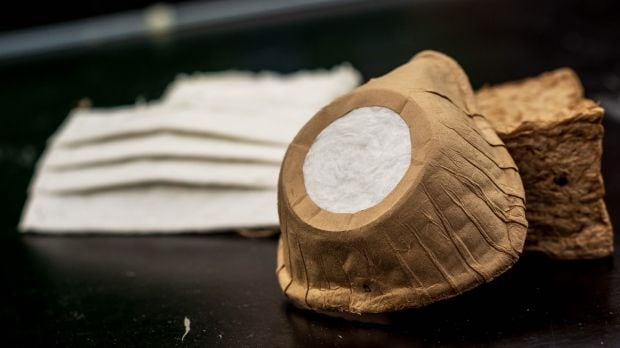
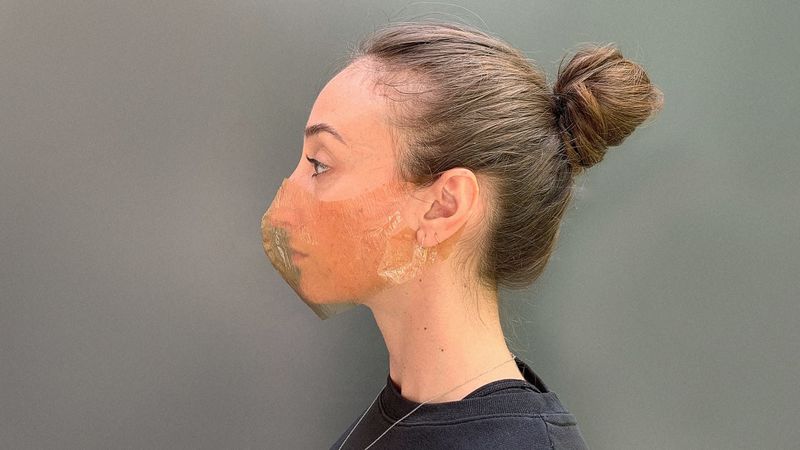
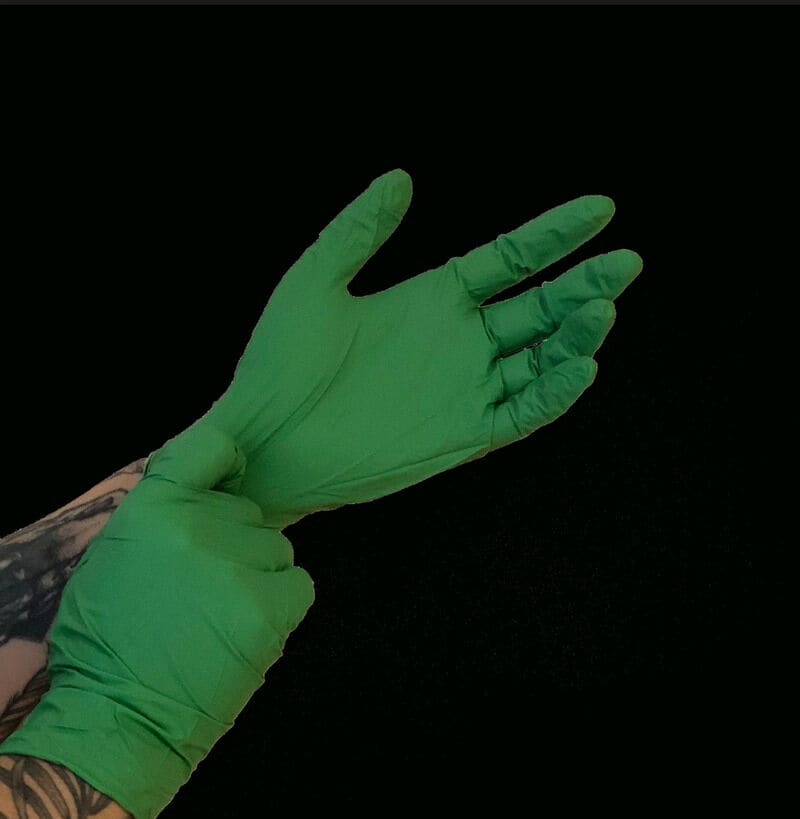
Compostable Shields: The COVID-19 pandemic has lead to a shortage of personal protective equipment for frontline workers and the public. As a result, brands that have pivoted production to offer a solution to this are creating single-use face masks and gloves that can be composted after use to reduce waste.
Insight
The COVID-19 pandemic has brought awareness to many consumers about the amount of single-use products used by the health industry, leading many eco-conscious consumers to be concerned with the number of disposable products filling up landfills and waterways. This demographic is asking the industry to re-examine these practices and have turned to brands to provide sustainable alternatives to mitigate the environmental impact.
Trend themes
Brands are creating single-use face masks and gloves that can be composted after use to reduce waste in response to the demand for PPE during COVID-19.
Companies are creating face masks from sustainable fabrics like coffee and bacterial cellulose in response to the demand for non-medical protection in public.
Researches are developing compostable N95 face masks made from local wood fibers to address the detrimental environmental impact of increased use of disposable masks during COVID-19.
Industry implications
The healthcare industry can explore sustainable and compostable PPE to mitigate the environmental impact of current practices.
The fashion industry can use sustainable fabrics like coffee and bacterial cellulose to revolutionize the use of face masks for everyday wear.
The environmental industry can help bring awareness to the detrimental impact of one-time use face masks on the planet and explore new sustainable alternatives like wood fibers to create compostable N95 masks.
Workshop question
Trend signals
Trend score 5.6 out of 10, from popularity 84%, activity 76%, freshness 9%.
Evidence
The Reusable AirX is Touted as the World's First-Ever Coffee Mask
Disruptive innovation opportunity: Incorporate coffee-based materials into sustainable fashion products.
UBC Recently Launched Compostable, Made-in-Canada N95 Masks
The healthcare industry can embrace compostable face masks as a sustainable alternative to traditional single-use masks, promoting environmental responsibility while ensuring pati…
Sum Studio's Mask Prototype Approaches Production Sustainably
Textile manufacturers can explore using bacterial cellulose as a sustainable alternative material in mask production.
GoodJudy.ca Offers Biodegradable Nitrile Gloves That are Food-Safe
Disruptive innovation opportunity: Revolutionize the healthcare industry by introducing eco-friendly and allergy-free personal protective equipment, enhancing safety measures whil…