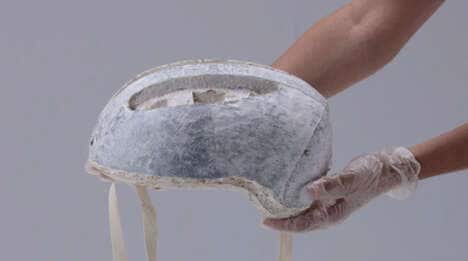
At a time when protective masks are in short supply, Sum Studio set out to create an alternative and sustainable mask prototype made out of bacterial cellulose—a by-product of a bacteria called xylinum acetobacter. The mask can be grown using a few kitchen staples like water, tea, sugar, and a small sample of the common bacteria, which can be sourced from something like unflavored kombucha.
The process of growing a mask takes a few weeks and it can be treated to make it even more comfortable to wear. Unlike many masks, the organic material is translucent, which means that the wearer's mouth can be seen through the design.
The prototype Xylinum mask has not been tested for its protective properties but it offers an inventive and sustainable way to think about the future of PPE production.
Image Credit: Sum Studio
What Makes This Trend Stand Out
- Bacterial Cellulose Masks
- Creating masks from bacterial cellulose offers a sustainable and innovative solution for the shortage of protective masks.
- Homegrown PPE
- The process of growing masks at home using bacteria presents a disruptive opportunity for individuals to produce their own personal protective equipment.
- Translucent Mask Designs
- Designing masks from organic material that is translucent allows for better communication and visibility while maintaining protection.
Sectors Adopting This
- Textile Manufacturing
- Textile manufacturers can explore using bacterial cellulose as a sustainable alternative material in mask production.
- Biotechnology
- Biotech companies can explore the potential of bacterial cellulose for various applications beyond masks, such as medical devices or bioengineering.
- Home DIY Market
- The home DIY market can tap into the trend of growing masks at home using bacteria, offering kits and tools for individuals to make their own sustainable PPE.