
Category
Business
Assisted Conversion
Businesses are opting in for specialized platforms to transition to digital.



Trend
E-Commerce Adaptation: As many non-essential businesses remain closed during COVID-19 lockdown orders, owners turn to digital platforms in order to seamlessly transition the brick-and-mortar experience to the online environment. These platforms are made with small and mid-sized businesses in mind, boasting lucrative features such as customer reach and more efficient payment processes.
Insight
Aware of the economic toll of this pandemic, individuals are placing emphasis on shopping local and independent as a means to support a diverse community of retailers that is currently struggling. Still prioritizing convenience in this space, conscious consumers are looking for streamlined options that will allow them to shop goods from small and mid-sized businesses with the same efficiency and comfort that big-brand e-commerce grants them.
Trend themes
From specialized platforms to shopping apps and transitional programs, businesses are pivoting towards efficient e-commerce adaptations amid the COVID-19 pandemic.
Consumers' shift towards consciously shopping local and independent is driving trends in e-commerce adaptations that support small and mid-sized businesses.
The increased usage of assistive apps for e-commerce has created lucrative opportunities for streamlining the customer experience even during these uncertain times.
Industry implications
E-commerce platforms like eBay, Google, and Lightspeed are leading the way in the immediate future of small business adaptation.
With Builder.ai's Studio Store apps, lead developers are creating new solutions that will enable small and mid-sized businesses to pivot towards efficient online business operations.
Payment processors like PayPal are partnering with e-commerce platforms to develop more efficient and seamless payment processes for consumers.
Workshop question
Trend signals
Trend score 4.8 out of 10, from popularity 78%, activity 58%, freshness 9%.
Evidence
Editorial Boutique Used Lightspeed's Platform to Adapt to Online
Fashion retailers can leverage e-commerce platforms to enhance customer experiences and expand their market reach.
Shopify Has a New Shopping App with a Faster Checkout Experience
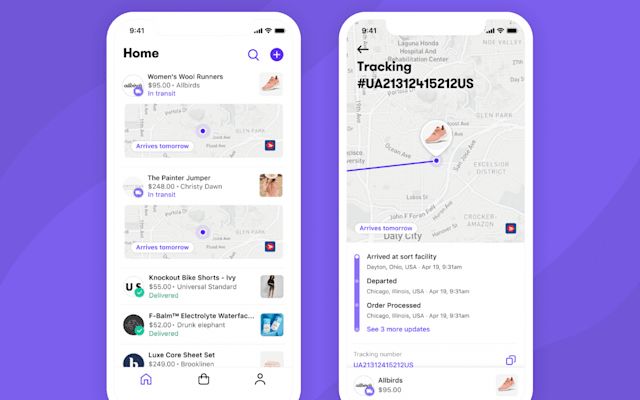
Opportunity for e-commerce platforms to provide shopping apps that integrate with order tracking and checkout systems to provide a seamless customer experience.
Builder.ai's Studio Store Apps Support Small and Mid-Sized Businesses
The Studio Store app provides a complete E-commerce solution for small and mid-sized businesses to transition to digital.
eBay's Up and Running Program Helps Businesses Transition
The Up and Running program presents a disruptive innovation opportunity for brick-and-mortar retailers looking to establish an e-commerce presence.
EBANX Beep Tailors Your Business for the Online Environment
EBANX Beep platform supports businesses in transitioning to the online vendor environment.

Google is Letting Businesses on the Shopping Tab Free of Charge
The shift to offering a free Shopping tab and partnership with different e-commerce platforms can disrupt traditional e-commerce models.