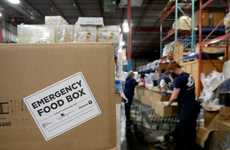


Organizations and brands are assisting food banks to meet demand during COVID-19
Trend - Many brands and not-for-profit organizations in North America are joining forces to provide food banks with much-needed supplies and workers during COVID-19. These initiatives introduce some security in meeting the demand for meals, which has significantly increased as the pandemic continues.
Insight - The levels of food insecurity in communities has exponentially increased since the beginning of the COVID-19 pandemic, creating a demand for more support from the government and brands who are perceived to have the resource capacity to help. While for some consumers, this is a chance to alleviate financial strain from losing their jobs, for others—this becomes an opportunity to help and feel needed during uncertain times.
Insight - The levels of food insecurity in communities has exponentially increased since the beginning of the COVID-19 pandemic, creating a demand for more support from the government and brands who are perceived to have the resource capacity to help. While for some consumers, this is a chance to alleviate financial strain from losing their jobs, for others—this becomes an opportunity to help and feel needed during uncertain times.
Workshop Question - How can your brand help in alleviating issues such as food insecurity?
Trend Themes
-
Emergency Food Programs — Emergency food programs have gained importance during COVID-19 pandemic to alleviate food insecurity on a global scale.
-
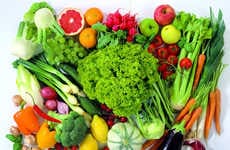
Nutrition Food-forward Initiatives — Companies like Dole Packaged Food are providing access to healthy food and partnering with other organizations to support seniors and families in underserved areas.
-
Emergency Meal Deliveries — More companies and organizations are partnering to provide emergency meals to children in need, through the help of public-private partnerships such as the one between McLane Global and USDA.
Industry Implications
-
Food Distribution — Food distributors could leverage technology and partnerships to increase real-time access and delivery of emergency food and supplies in high demand.
-
Logistics and Supply Chain — Logistics companies could rethink their supply chains and shipping methods to adapt to the COVID-19 crisis and meet the increased demand for emergency food programs.
-
Health and Wellness — As more companies focus on health and wellness, there are opportunities to support and scale initiatives in food companies, encouraging access to more nutritious alternatives.
5 Featured, 32 Examples:
36,913 Total Clicks
Date Range:
Apr 20 — May 20
Trending:
Mild
Consumer Insight Topics: