


Category
Fashion
Entry Hooks
Cold-season footwear adds comfort-led materials and flexible wear modes.


What's Happening
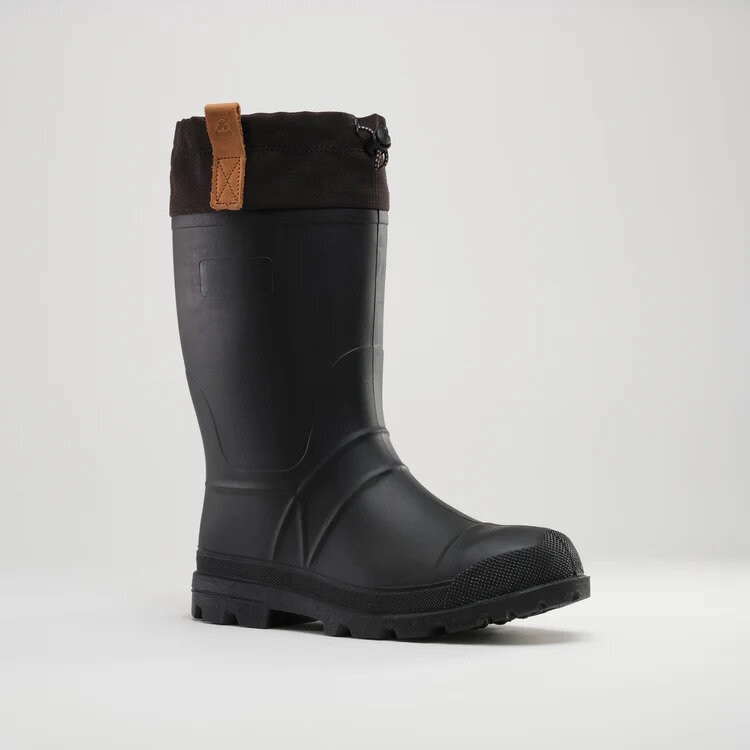
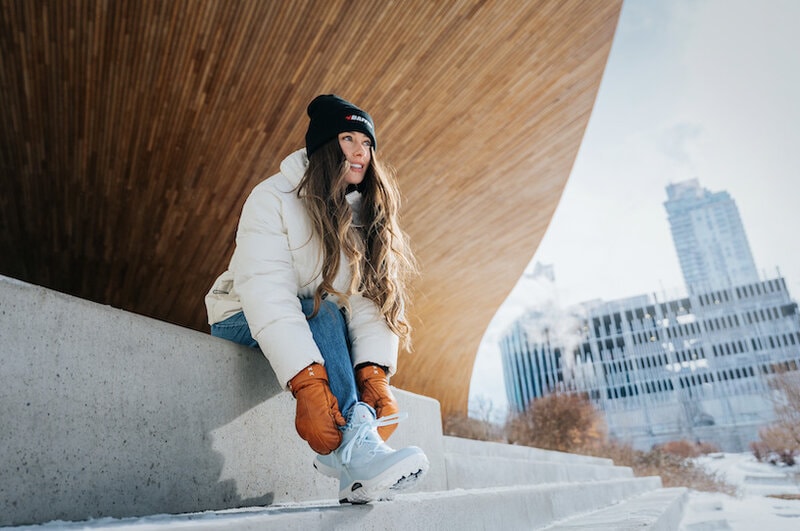
Adaptable Warmth: Winter boot designs are incorporating wool-knit elements and more breathable builds, aiming to make cold-weather footwear feel less rigid and heavy in daily use. Some models add removable inner components that can function like slippers, extending use beyond outdoor wear and potentially making boots easier to dry or refresh.
Why It's Happening
For important wardrobe staples like shoes and boots, consumers are increasingly putting more emphasis on quality, versatility, convenience, and longevity, especially as footwear needs to stay on through commutes, errands, and even indoor transitions. This makes features like breathability and removable layers more relevant to individuals. Because winter boots are a more deliberate seasonal purchase, consumers may pay closer attention to materials, where a pair is made, comfort, and weather coverage when weighing long-term value.
Evidence
Kamik Tundra Women's Boots Combine Rugged Protection with Modern Design
Hybrid designs combining technical materials with lifestyle silhouettes open opportunities for apparel companies to serve consumers who move between outdoor activities and daily r…
Arc’teryx Updates Its Kragg Mid With A Wool-Blend Upper For Winter Use
Performance brands are finding new differentiation through material innovation that merges natural textiles with alpine-ready functionality.
Arc'teryx Builds a Winter Boot That Doubles as a Cabin Slipper
Multifunctional footwear introduces new differentiation for ski, snowboard, and winter camping brands competing on convenience as much as weather protection.
Baffin Expands Its Ease Collection with MIST
Technical materials and ergonomic design are expanding the women’s boot market beyond fashion-led silhouettes toward functional, weather-ready products.
Workshop question
How could your brand turn a seasonal product into something that works across more parts of a customer's day?
Trajectory
Latest reading 8.8 for the week of Nov 2, 2026. Holding over the final 3 scored weeks (±0.0), at its peak of 8.8. Momentum 7.6/10, persistence 5.0/10.
7 Trend Hunter articles were grouped into the wider weekly cluster this trend was identified in, over 3 weeks.