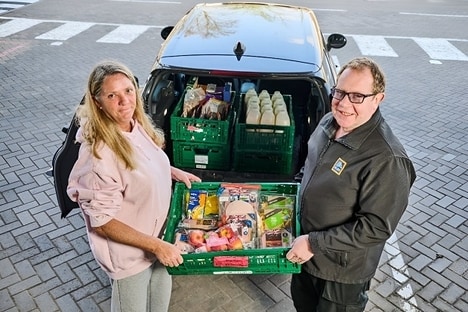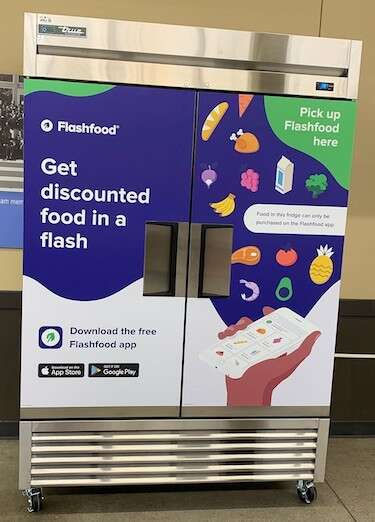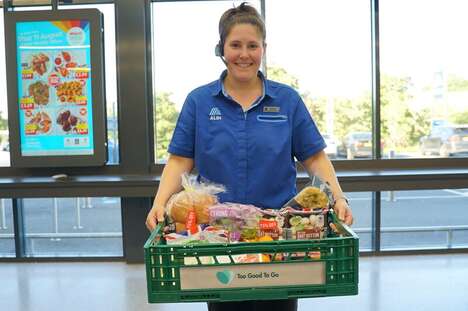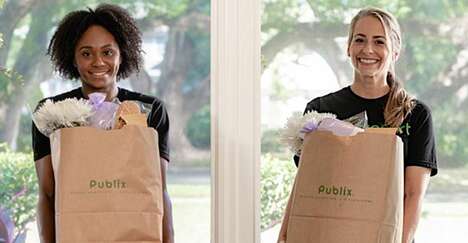
Amid the COVID-19 pandemic, one grocery store is leading the way in helping distribute food to those in need. Publix, the employee-owned, American supermarket chain, recently announced it will purchase surplus foods from farmers to donate to local food banks.
“As a food retailer, we have the unique opportunity to bridge the gap between the needs of families and farmers impacted by the coronavirus pandemic,” stated Todd Jones, the CEO of Publix.
his is especially relevant as many farmers have been told to dump milk and destroy fresh produce as food distribution channels become disrupted due to the outbreak. Not only does this reduce food waste, but the supermarket's initiative will help feed hungry Americans during these challenging times.
Image Credit: Shutterstock, Publix
What's Driving This Trend
- Food Waste Reduction
- Opportunity for other supermarkets to follow Publix's lead and purchase surplus foods from farmers to donate to food banks, reducing food waste and supporting local communities during the pandemic.
- Collaborative Partnerships
- Potential for partnerships between supermarkets, farmers, and food banks to create a sustainable supply chain that ensures excess food is donated rather than wasted.
- Social Responsibility
- Growing expectation for supermarkets to take proactive measures in addressing food insecurity and supporting their local communities by donating excess food to those in need.
Who This Affects Most
- Supermarkets
- Supermarkets can explore new business models that align with social responsibility, such as purchasing surplus foods from farmers and donating them to food banks.
- Agriculture
- Opportunity for farmers to collaborate with supermarkets to sell excess produce and mitigate food waste by diverting it to local food banks.
- Food Banks
- Food banks can strengthen their partnerships with supermarkets and farmers, enabling a more efficient distribution of surplus food to those facing food insecurity.