



Category
Lifestyle
Assisted Choices
Designers draw visual inspiration from the human body's genetic makeup.
Trend
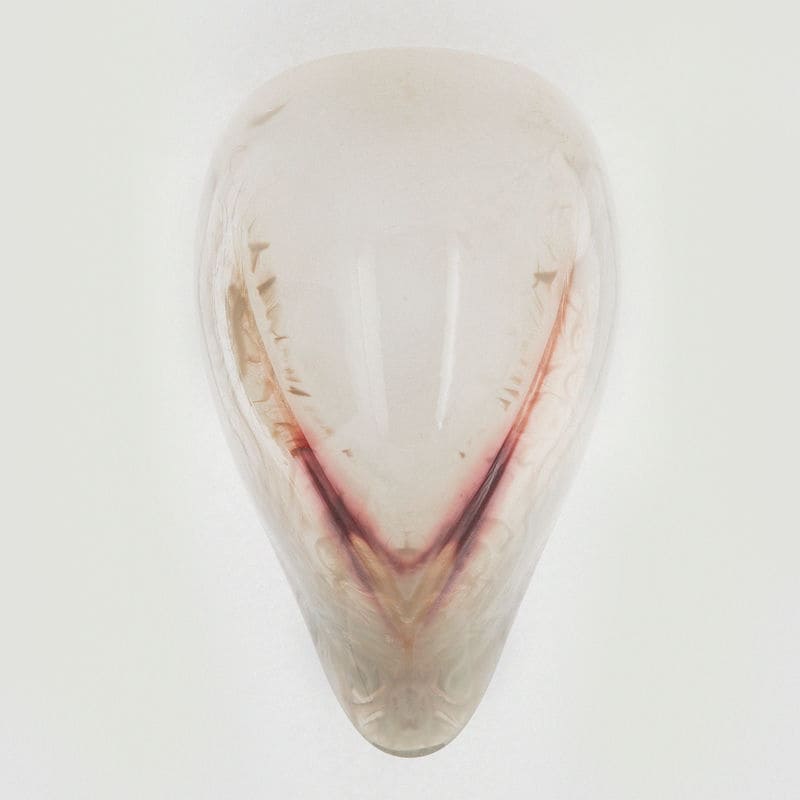
Physiological Aesthetic: Fashion and industrial designers are recreating the look and feel of human organs and skin with new materials that promote sustainability. Drawing inspiration from human anatomy, these design projects create representations that address the importance of using low-impact materials.
Insight
In order for designers and artists to have their work make a lasting impact on viewers and customers, it's important to create visceral connections with them. In activism, people are likely to be drawn to products or experiences that mimic the human condition--and designers that replicate it are able to evoke the most thought and, ultimately, change.
Trend themes
Designers and artists are drawing inspiration from the human body's genetic makeup to create sustainable and low-impact materials that evoke visceral connections with viewers and customers.
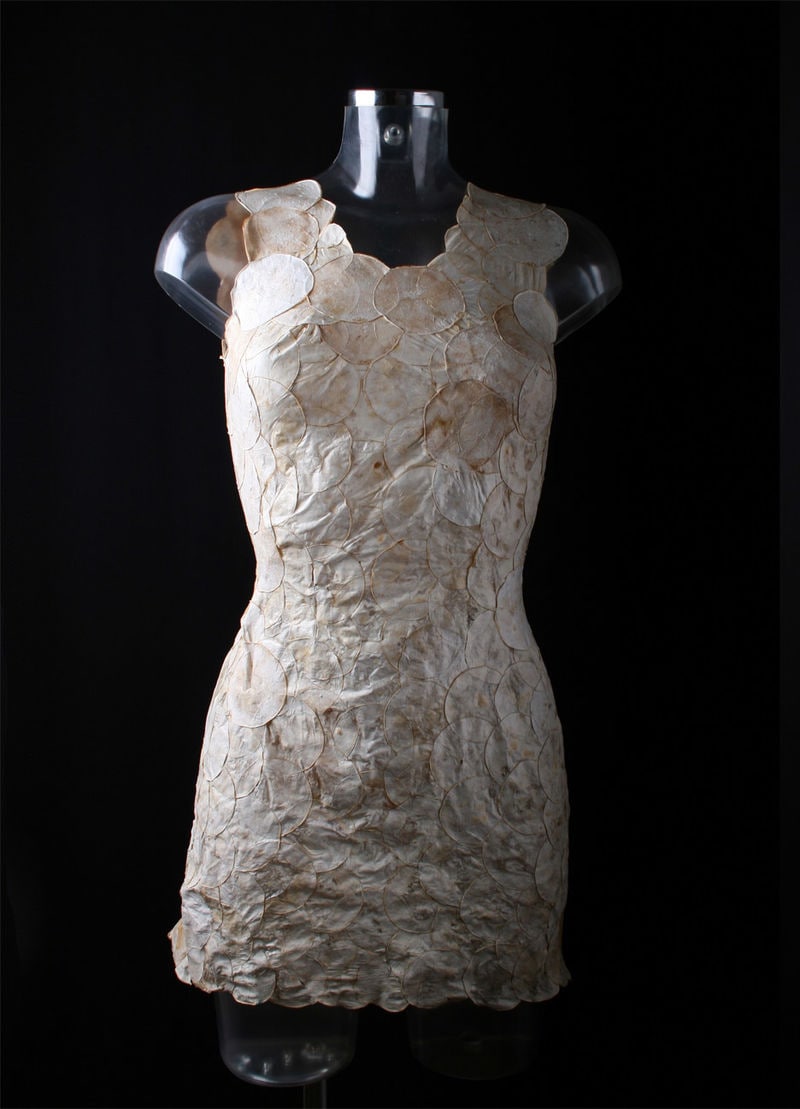
More designers are creating clothing out of 100% natural or biodegradable materials like mushroom mycelium and natural latex to reduce the impact of fashion on the environment.
Researchers are exploring the potential for incorporating microorganisms and skin pigments into design projects and industries for human augmentation and ecological preservation.
Industry implications
By experimenting with new biomimicry and sustainable materials, fashion designers can revolutionize the way clothing is made and purchased.
Applications of new materials and technologies based on biological engineering have the potential to create innovative and eco-friendly designs.
By combining classical sculpting techniques and innovative materials, artists and sculptors can create distinctive and attention-grabbing works that evoke visceral connections with viewers.
Workshop question
Trend signals
Trend score 5.1 out of 10, from popularity 67%, activity 78%, freshness 8%.
Evidence
Aniela Hoitink Used Mycelium to Create The Neffa Dress
The fashion industry can embrace the use of biodegradable materials and mycelium-based textiles to create more sustainable and eco-friendly clothing options.
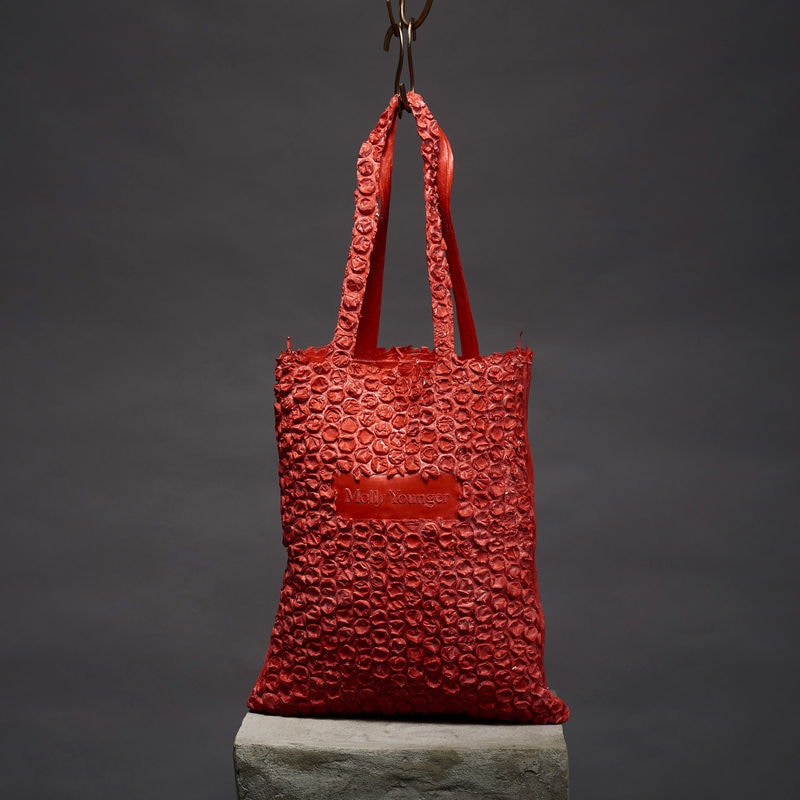
Molly Younger's First Commercial Collection is Raw and Inspiring
Disruptive innovation opportunity: Integrate raw and unconventional materials into fashion collections, pushing the boundaries of traditional design.
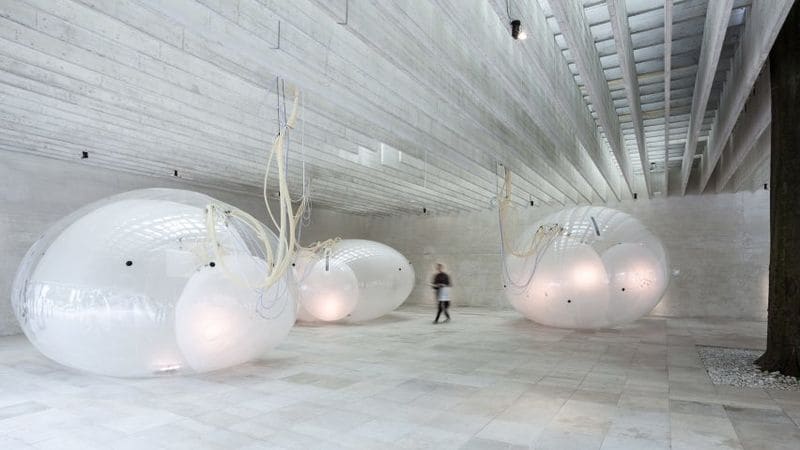
The Nordic Pavilion Advocates Symbiotic Relationships
New technologies and materials can be implemented to create buildings that can adapt and respond to the changing climate.
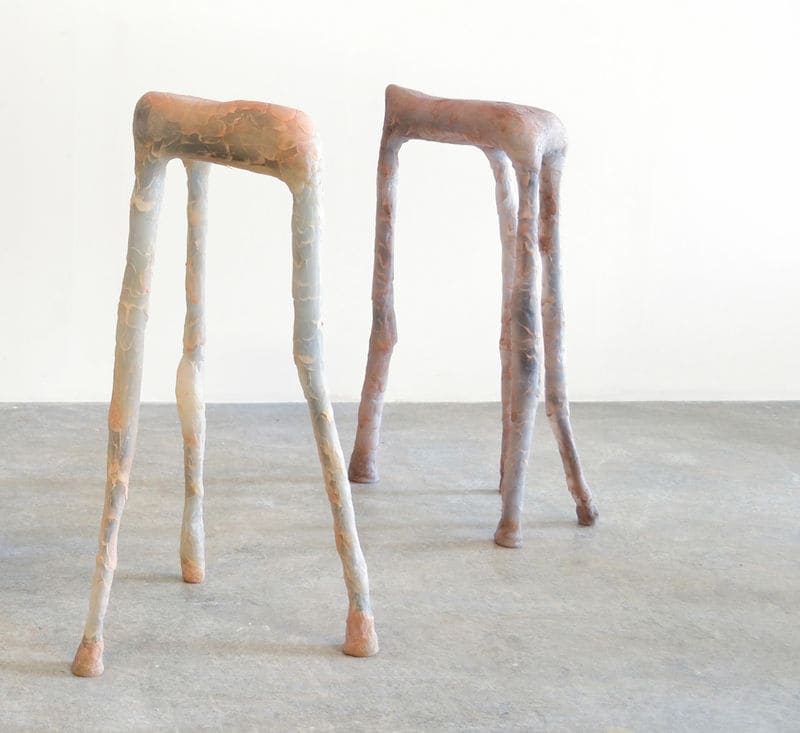
Elissa Lacoste Boasts a Series of Grotesque Designs for the Home
Furniture designers can incorporate sculptural and organic-inspired designs to create unique pieces for the home and other spaces.
Neri Oxman's Latest Project Boasts Pigment-Producing Microorganisms
Disruptive innovation opportunity: Utilize synthetic microorganisms in biotechnology to develop novel products and solutions.
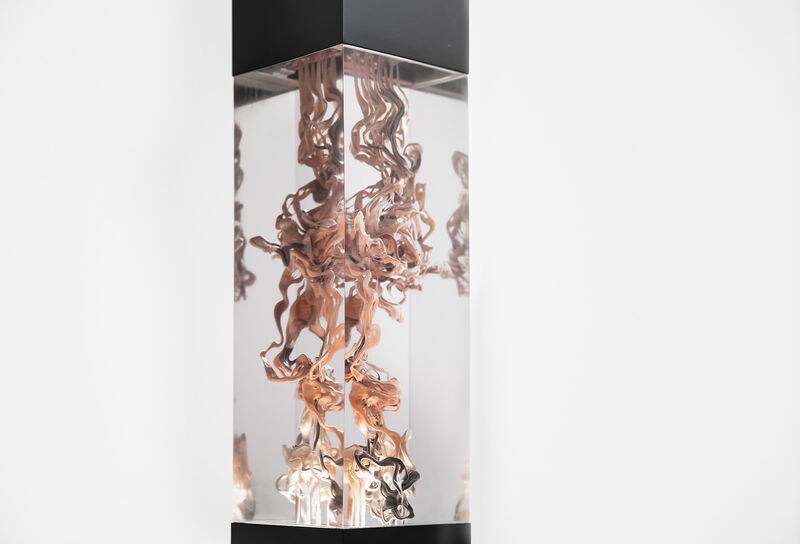
Neri Oxman Speculates Melanin Use in Architecture and Design
Melanin-based design can disrupt the field of architecture by introducing new sustainable and visually appealing construction materials.






