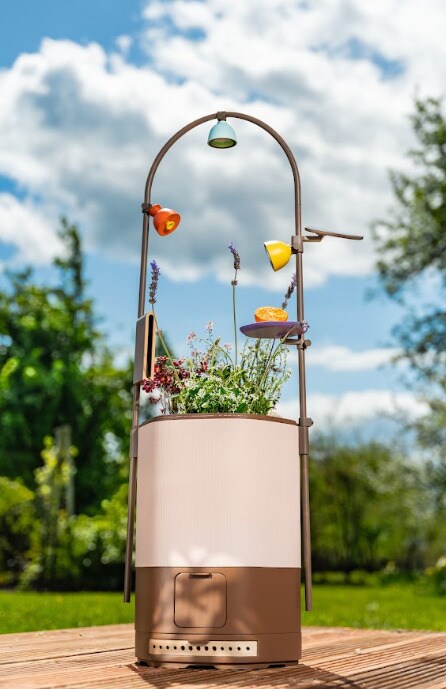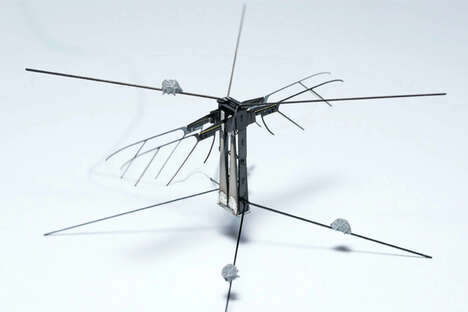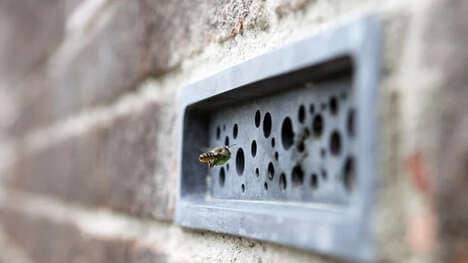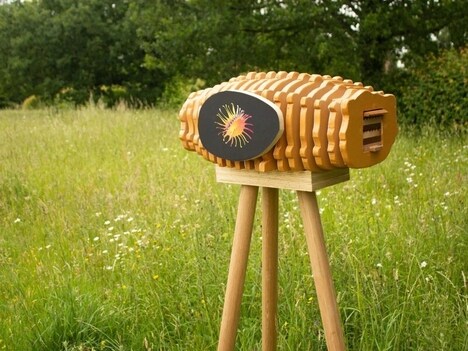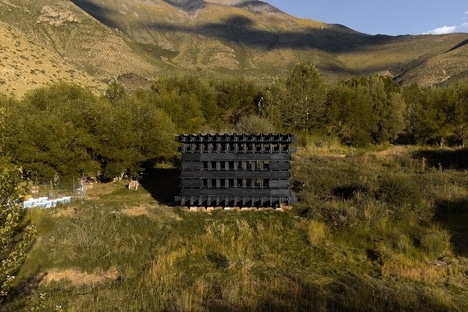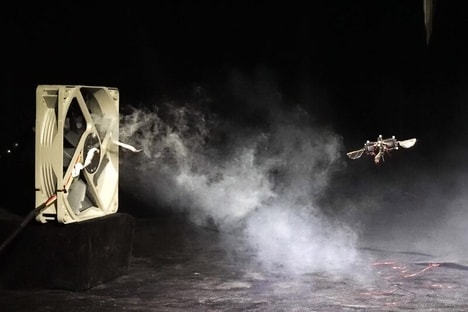
Bee survival is crucial as the pollinators are "one of the most important organisms for both the human species and our planet." In search for solutions, The Mediated Matter group at MIT constructs a purely synthetic environment to explore the possibilities for bee survival.
Dubbed the 'Synthetic Apiary,' the space attempted to induce a behavioral shift that will render the species more adaptable to demanding factors like urbanization, weather, and climate change. The project controlled everything — from the temperature and the light to the humidity and the nutrition.
The Synthetic Apiary is yet another endeavor for the Mediated Matter group who has dedicated its time to research "biologically augmented digital fabrication with eusocial insect communities" on scales that embrace urbanism, technology, and the evolving human psyche.
Photo Credits: Mediated Matter
Why This Trend Is Growing
- Synthetic Apiary Ecosystems
- Creating synthetic ecosystems that can support the survival of endangered species such as bees could be an area worth exploring for businesses.
- Biologically Augmented Fabrication
- Researching biologically augmented digital fabrication through insect communities could lead to advancements in technology and urbanism.
- Adaptive Species Solutions
- Developing solutions for endangered species such as bees to become more adaptable to a changing environment could result in innovative and sustainable solutions for other species.
Industries Being Reshaped
- Agriculture
- Creating synthetic ecosystems for bees could revolutionize the way crops are pollinated and lead to more sustainable agricultural practices.
- Biotechnology
- Developing biologically augmented fabrication through insect communities could lead to new breakthroughs in the biotech industry.
- Urban Planning
- Researching how bees can become more adaptable in urban environments through synthetic apiaries could inspire innovative urban planning solutions for cities around the world.