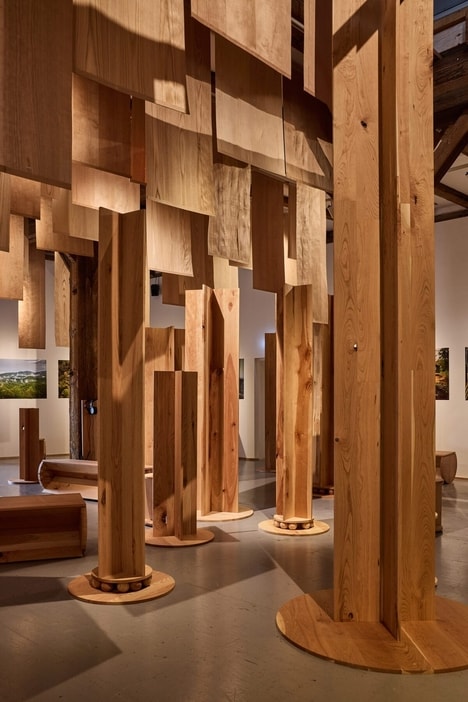
Visual artist Kristina Pulejkova has presented a look at the Seed Stories installation. She created it as more than just a work of art -- it represents the merge of art and science to unite a bee conservation. It is practical and contributes to pollinator conservation in the UK.
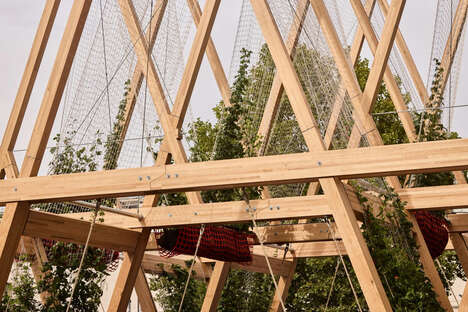
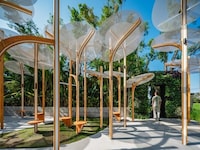
Seed Stories is made up of four wooden sculptures -- each one is carefully made as a piece of art and a bee hotel. The idea was to create pieces that inspire imaginative thought but also actively provide a place of refuge for the bees during a dire time when their homes are being threatened. The design is directly inspired by the look of the Millennium Seed Bank collection in Wakehurst.
Image Credit: Kristina Pulejkova
What's Driving This Trend
- Art-science Synergy
- The convergence of art and science in installations like Seed Stories offers innovative pathways for addressing environmental challenges creatively and interactively.
- Pollinator-friendly Design
- Designing spaces and objects that facilitate pollinator conservation can transform public spaces into critical habitats, addressing crucial ecological sustainability issues.
- Biomimetic Architecture
- Drawing inspiration from natural forms, such as seeds, to create functional and aesthetic spaces can lead to pioneering advancements in sustainable architectural practices.
Who This Affects Most
- Eco-friendly Art
- An intersection of ecology and creativity, eco-friendly art installations provide new opportunities for both cultural expression and environmental activism.
- Sustainable Architecture
- The integration of ecological principles with architecture to prioritize biodiversity represents a significant shift towards sustainable and resilient building practices.
- Conservation Technology
- Utilizing technology in innovative ways to support conservation efforts introduces new possibilities for protecting endangered species through practical and aesthetic solutions.