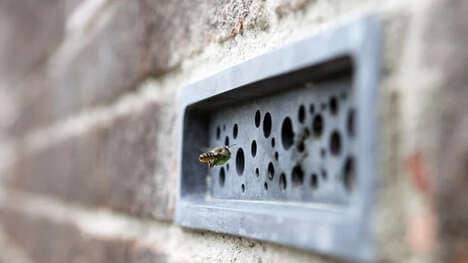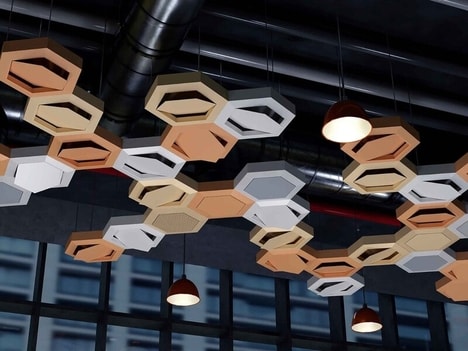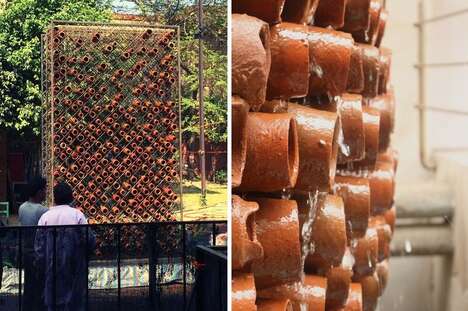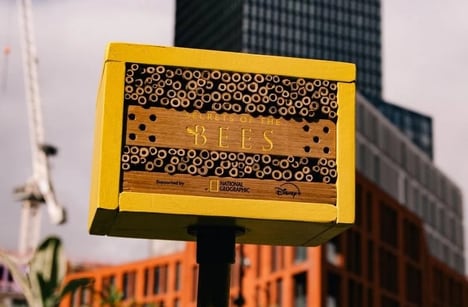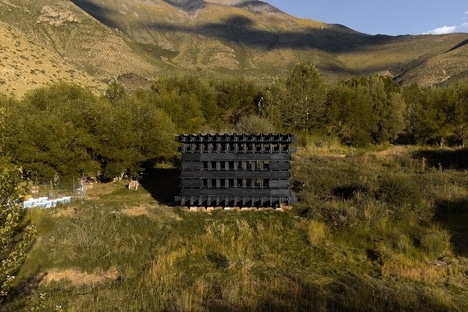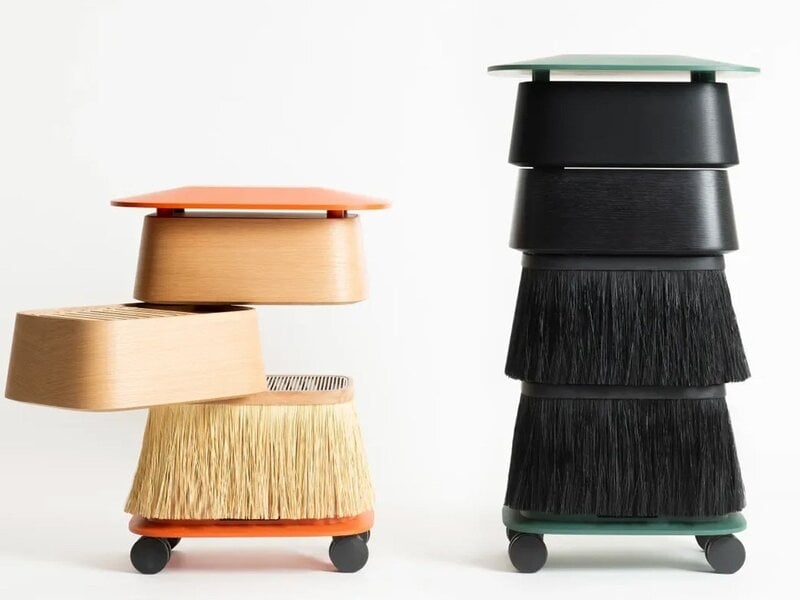
The HOST modular bee hive by LAYER is crafted to support solitary native bees in urban settings—helping to revitalize biodiversity with minimal footprint and maximum design intent. Designed to be stackable and scalable, the structure can serve as a compact installation on a balcony or expand into multi-tiered formats in parks and public spaces. Each layer provides weather-resistant nesting spaces that protect against rain, wind, and noise, while sloped surfaces ensure drainage and insulating materials maintain proper temperatures for larvae development.
Maintenance and interaction are thoughtfully considered: each module swivels to enable inspection or honey harvesting without disturbing the nest. Architecturally, HOST stands out: its elegant presence invites engagement, turning pollinator infrastructure into public sculpture. More than ecological furniture, HOST is a poetic example of how design can actively contribute to urban ecosystem health rather than simply avoiding harm. As cities increasingly prioritize green planning, HOST demonstrates how everyday structures can support life beyond humanity.
Image Credit: LAYER
Why This Trend Is Growing
- Stackable Eco-modules
- Innovative stackable designs like the HOST hive by LAYER introduce scalable ecological solutions to urban environments, blending form and function in compact and expansive settings.
- Interactive Natural Architecture
- Structures that allow interaction with nature, such as the swiveling modules in HOST hives, present opportunities for educational and recreational engagement with urban ecological systems.
- Aesthetic Eco-friendly Design
- The integration of artistic design with ecological functionality in urban pollinator habitats transforms public spaces into visually appealing eco-sculptures that enhance urban biodiversity.
Industries Being Reshaped
- Urban Green Infrastructure
- Advancements in eco-friendly architectural design are reshaping urban green infrastructure by integrating ecologically supportive elements into cityscapes.
- Sustainable Building Materials
- The use of weather-resistant and insulating materials in modular hives highlights a growing demand for sustainable building materials that support biodiversity in urban areas.
- Public Art and Ecology
- The fusion of sculpture and ecology in urban pollinator architecture invites new collaborations between artists and environmental designers to create multifunctional public installations.