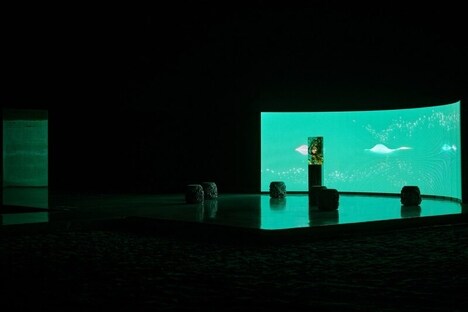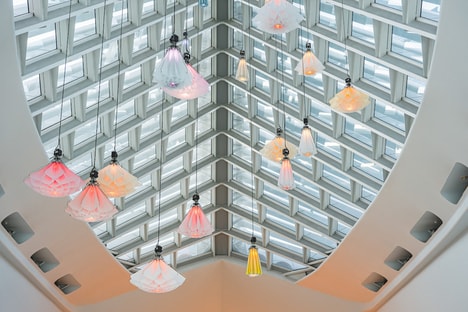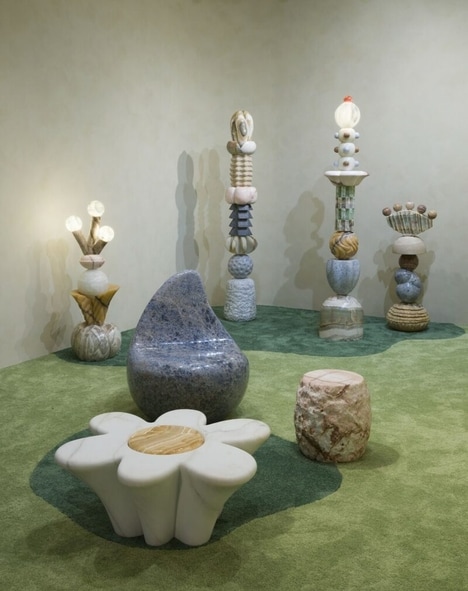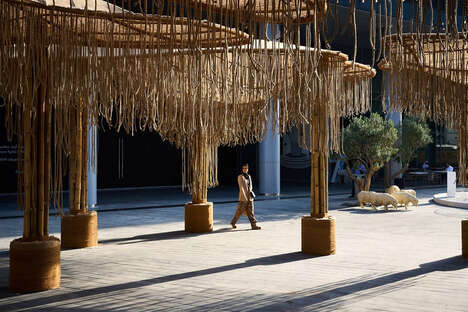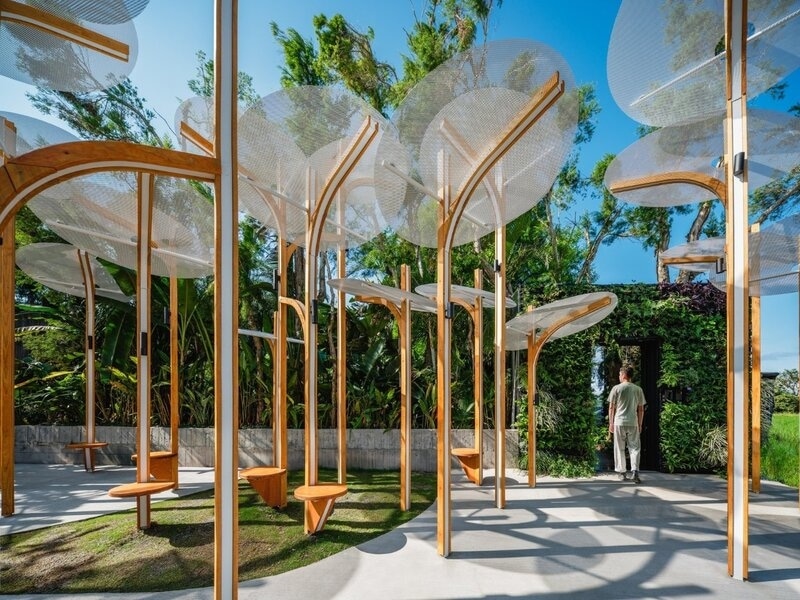
The latest addition to the "Structural Botany" series expands on artist Michele Durazzi’s fascination with geometry and nature, using clustered plant formations as both inspiration and structure. This new installation invites viewers into a tactile experience where botanical logic meets architectural precision. Each element mimics the repetition found in natural growth patterns—think dense seed pods or radiating petals—translated into clean, sculptural forms. The result is a spatial rhythm that echoes the harmony of flora, made permanent through design.
With its sweeping curves and interlocking modular components, the piece doesn’t merely depict plants—it embodies them. The installation serves as both artwork and environment, immersing visitors in a soft geometry that feels living, despite its industrial materials. It’s part design object, part sensory prompt, evoking reflection on how structure shapes sensation. This homage to nature’s clustered forms reveals the poetic intelligence hiding in plain sight.
Image Credit: Cheng Tsung FENG
What Makes This Trend Stand Out
- Bio-structural Installations
- The fusion of natural growth patterns with manmade design offers a fresh perspective on how art installations can evoke the beauty of nature through innovative, sustainable materials.
- Botanical Geometry Art
- Creating art that draws on the geometrical complexity of plant forms transforms organic motifs into striking sculptural aesthetics that can captivate public spaces.
- Tactile Interactive Art
- Art installations that invite physical interaction through tactile designs can redefine viewer experience by offering a sensory journey that bridges the gap between art and environment.
Sectors Adopting This
- Public Art
- Innovating in public spaces through art inspired by botanical structures can enrich urban landscapes while fostering community engagement.
- Sustainable Design
- Integrating ecological aesthetics into design projects provides opportunities to create functional yet poetic environments that prioritize sustainability.
- Architecture
- Exploring architecture's potential to mimic organic forms can lead to more harmonious and environmentally integrated structures within urban settings.