Category
Lifestyle
Baseline Support
Making the provision of educational tools and programs portable.

What's Happening
Mobile Literacy: The issue of literacy is one social organizations are struggling to tackle around the world. In the United States alone, about 32 million adults lack basic literacy skills, says a report by the U.S. Education Department, and recent research has uncovered that over 900 million people in developing countries are illiterate. These staggering numbers have caused many literacy groups to take nontraditional action. Rather than waiting for illiterate consumers to reach out for help, these groups are hitting the streets, handing out books, teaching people how to read and even providing help on schoolwork. While still on a small scale, mobile literacy programs are a unique way to tackle this worldwide social issue.
Evidence
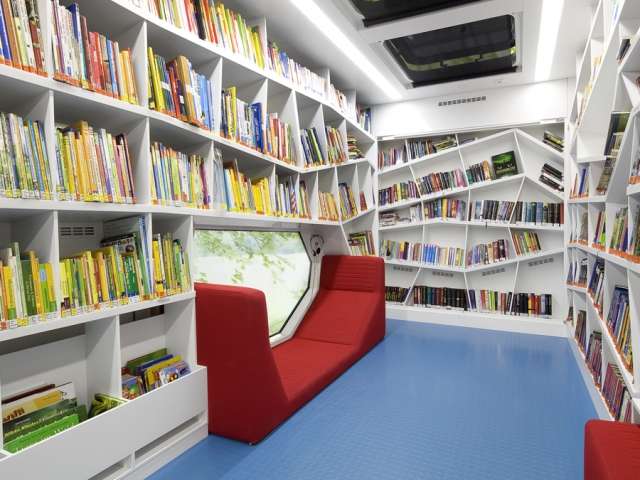
The Robi Rolling Library by Linie Zweii Gives Books to the Poor
Mobile bookshops like the Robi Rolling Library offer an opportunity for publishers to connect with readers in more remote or underserved areas.
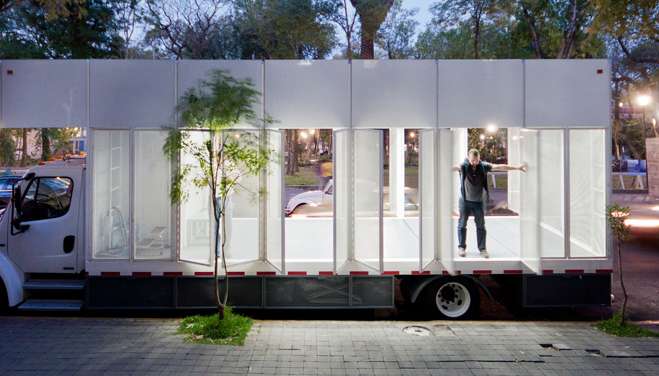
The Productora A47 Mobile Library Comes to You
Library services can explore innovative methods, such as mobile libraries, to increase accessibility and appeal to new audiences.
The Little Free Library Program Encourages Public Literacy
Publishing companies can partner with the Little Free Library project to promote their books and reach a wider audience through localized book exchanges.
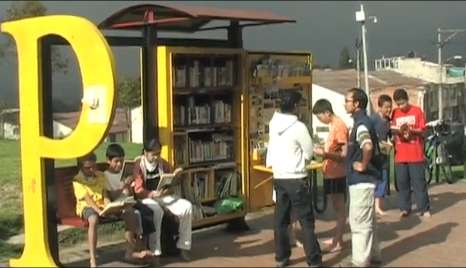
Fundalectura Creates PPP Program to Give Columbians Access to Books
Nonprofit organizations working in education and literacy promotion can take inspiration from Fundalectura's work and expand their reach with similar programs.
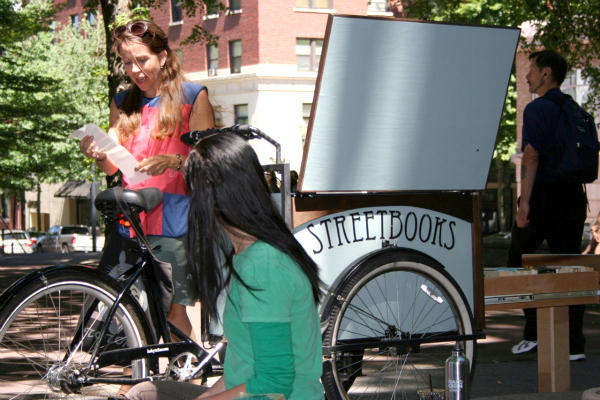
Street Books Delivers Literature to Portland's Homeless
Public libraries can explore the concept of mobile libraries to reach and engage with underserved populations and improve literacy rates in their communities.

Projekt Ingeborg Seeks to Bring Classic Literature to Everyday Citizens
Publishers can leverage the trend of virtual libraries to attract new readers and promote their catalog of classic literature.
Trend signals
Trend score 3.8 out of 10, from popularity 60%, activity 46%, freshness 8%.
Trend themes
Non-profit and charitable organization are looking for mobile literacy programs which can provide resources, tools, books, to people who lack basic literacy skills
Public book libraries and initiatives such as Little Free Library are popping up across the world, providing easy and accessible ways for people to read and share books
Scannable libraries such as the Projekt Ingeborg in Austria aims to encourage reading by using QR codes, social media, and other interactive tools to inspire people to engage with classic titles
Industry implications
Nonprofit and charity group can leverage technological innovation to reach, educate and assist people who are illiterate or suffer from underprivileged background through mobile literacy programs
Library and archiving business could expand their services and operations to include creating and distributing smaller scale libraries via Little Free Library and/or PPP programs
Publishing companies could explore methods to make classic literature available to the public, by creating interactive and scannable libraries such as the Projekt Ingeborg initiative in Austria