Category
Business
Assisted Conversion
Food establishments offer up more inclusive environments for guests.

Trend
Inclusive Consumption: Moving beyond just marketing or branding tactics, retailers in the food and beverage space are adapting everything from hiring processes to in-store accessibility to better align to areas of inclusivity.
Insight
Consumers' expectations for brands are now that they align with their personal needs and values. Accommodation and inclusion tend to be top of mind for the North American consumer as they acknowledge and express the differing the needs of diverse groups–particularly those that tend to be underrepresented in the public sphere. Thus, brands are having to take an all-encompassing approach to inclusion in both who they employ, and the customers they reach.
Trend themes
Businesses are adapting hiring processes to create more inclusive environments for employees and consumers with developmental disabilities
Retailers are launching sensory-friendly campaigns and making small changes, such as turning off noise, to create more accessible and inclusive environments for people with autism
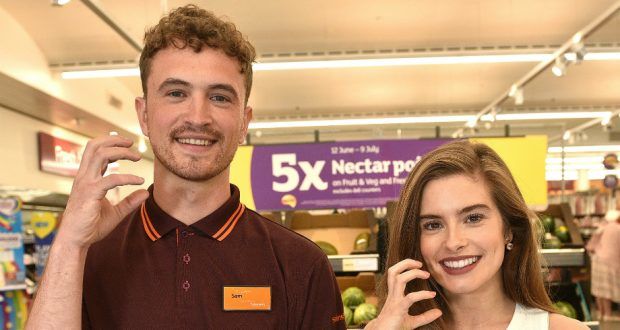
Businesses are adopting sign language training to create an inclusive customer experience for the hard-of-hearing community
Industry implications
Hospitality businesses can create a more inclusive environment by adapting hiring and training processes, launching sensory-friendly campaigns, and offering support for people with developmental disabilities
Retailers can create a more accessible environment for people with autism by making small changes such as turning off noise and offering sensory-friendly hours
Education services can adopt sign language training to create an inclusive environment for the hard-of-hearing community and to better serve their needs
Workshop question
Trend signals
Trend score 3.7 out of 10, from popularity 58%, activity 43%, freshness 9%.
Evidence
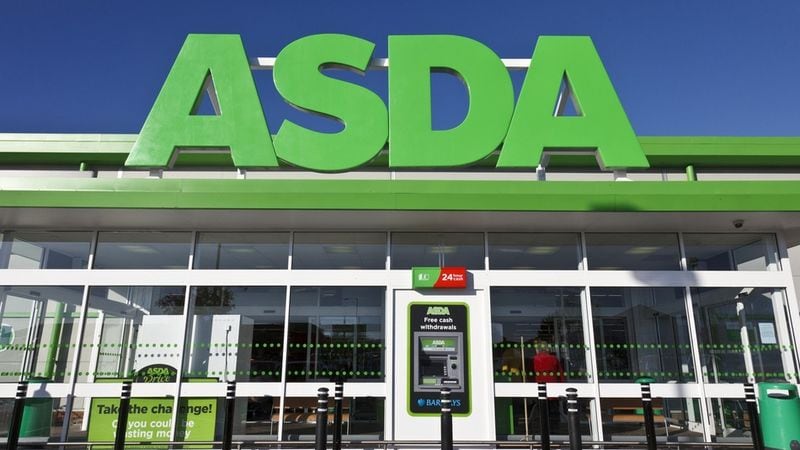
'Chuck E. Cheese's' Now Offers Autism-Friendly Play Spaces
The restaurant industry can explore creating sensory-sensitive options and spaces to cater to customers with sensory challenges.
This Store Will Run a Quiet Hour for Shoppers with Autism
Retailers have the opportunity to differentiate themselves by implementing initiatives that take into account the specific needs of customers with disabilities.
Signsbury’s will be Open for Four Days and Highlight Inclusivity
The retail industry can explore opportunities to create inclusive and community-focused shopping experiences.
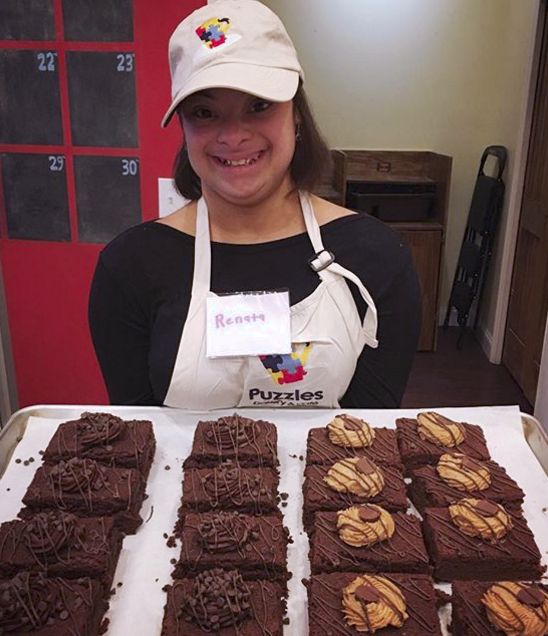
The 'Puzzles Bakery & Cafe' Employs Adults with Autism
The hospitality and food service industry can explore opportunities for inclusive hiring practices and supporting individuals with developmental disabilities, as exemplified by Pu…
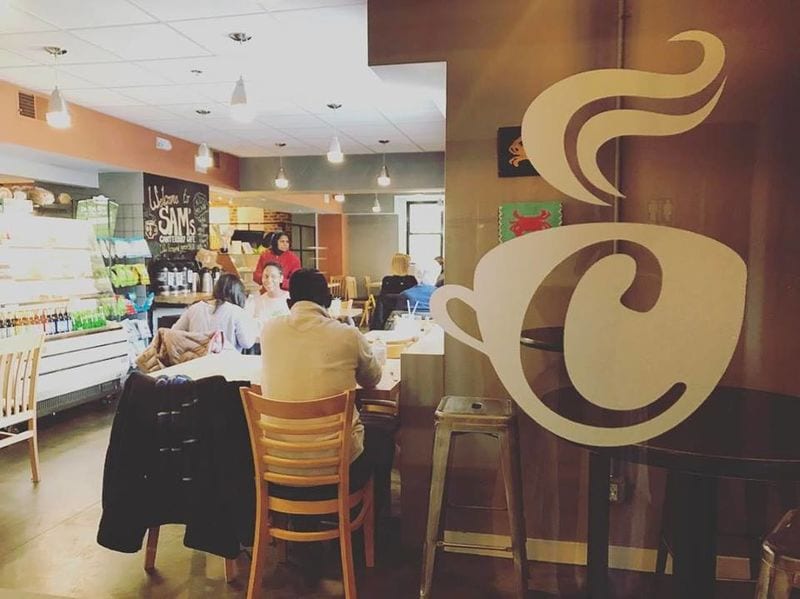
Sam's Canterbury Cafe Employs Staff on the Autism Spectrum
Opportunity for restaurants, cafes and other food services to employ and serve individuals on the autism spectrum to promote inclusion and diversity.