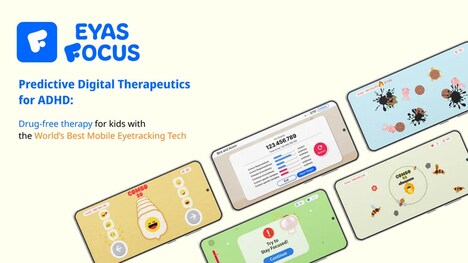
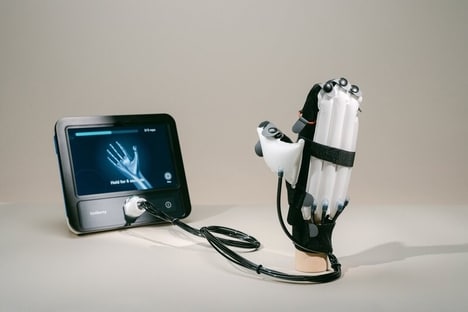
Akili is trying to improve cognitive health through prescription video games and hopes to make its product available to a mass audience. Developed by Dr. Adam Gazzaley at the University of California, Akili's electronic medicine would be prescribed by a doctor. The goal is "building clinically validated cognitive therapeutics, assessments and diagnostics that look and feel like high-quality video games."
Currently, Akili is running clinical tests and studies looking to improve in areas such as ADHD, autism, depression and traumatic brain injury. The company is looking to stray from traditional medical approaches and hopes to offer a a cost-cutting alternative to common treatments -- one that will be greatly embraced by younger patients. The ultimate objective of this prescription video game project is to improve neural functioning and cognitive symptoms.
What's Driving This Trend
- Prescription Video Games
- The concept of using video games as a prescription to improve cognitive health and function.
- Electronic Medicine
- Development of new and innovative electronic medicines, such as video games, to diagnose and treat cognitive disorders.
- Clinically Validated Cognitive Therapeutics
- Developing high-quality video games that provide clinically validated cognitive therapies and assessments.
Who This Affects Most
- Healthcare
- The healthcare industry can integrate prescription video games as cognitive health treatments with the aim of providing cost-cutting alternatives.
- Gaming
- The gaming industry can adapt video games to improve neural functioning and cognitive symptoms as a prescription medicine.
- Technology
- The development of clinically validated cognitive therapeutics and assessments creates opportunities for technology companies to enhance product innovation in healthcare sectors.