
Category
Lifestyle
Sugar Moderation
Full-blown farm operations take over small urban gardens.


Trend
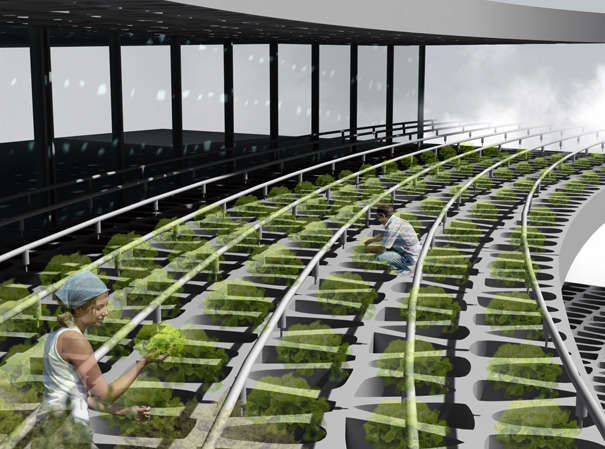
Urban Farming (UPDATE): Cities are going one step further in the urban gardening game with full-scale farms that significantly reduce overall food costs and CO2 emissions from food transport. Once attributed only to individual eco-minded consumers, independent urban gardens have grown into full-fledged farm operations, incorporated by architects into towers and homes, businesses into their retail operations and city planners into neighborhoods and even alongside freeways.
Trend themes
Full-blown farm operations take over small urban gardens.
Community-based farming on a grand scale allows citizens to grow their own crops as well as sell off the surplus to help with their incomes.
Techniques of farming that require limited amounts of soil and can be done indoors.
Industry implications
The food industry can explore the opportunity of having more locally operated farming setups through urban farming and agricultural urbanism concepts.
The industry can design and construct more eco-friendly buildings integrated with urban farming capabilities, such as Farm Proper, Oasis Tower, and The Growingcity.
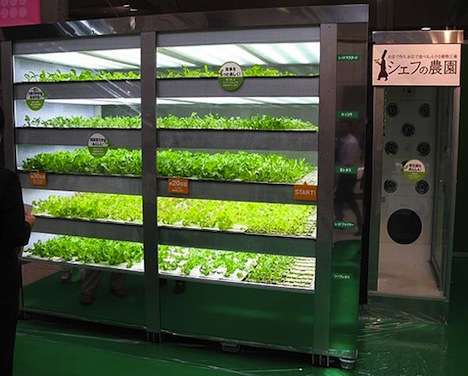
As demonstrated by Chef's Farm, there is a growing market for portable and efficient hydroponic and aquaponic farming equipment, which can cater to both individual consumers and commercial clients.
Trend signals
Trend score 5.2 out of 10, from popularity 76%, activity 73%, freshness 8%.
Evidence
Self-Sufficient Oasis Tower Can Feed 40,000 People Each Year
The Oasis Tower's vertical farming capability could present disruptive innovation opportunities for the agriculture industry to create sustainable, year-round crop production solu…
The Agricultural Urbanism Concept May Just Eliminate the Supermarket
The creation of mega-structures dedicated to urban farming requires novel use of real estate and re-imagining architectural design.
Lettuce-Growing Vending Machine Produces Sunless Salad Greens
Indoor farming companies can capitalize on the use of fluorescent bulbs to optimize crop growth and increase yields in controlled environments.
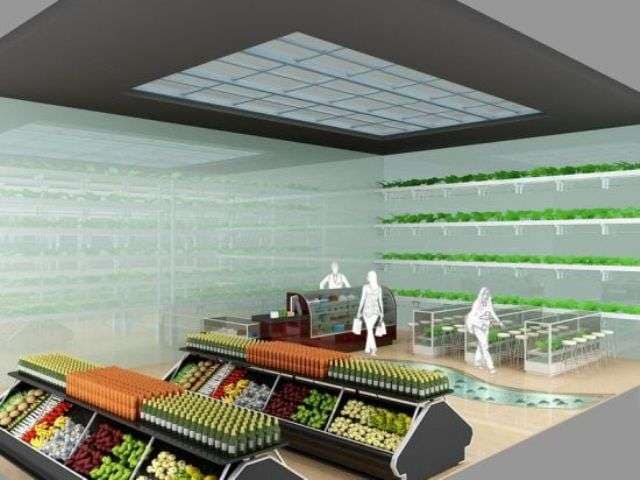
The Agropolis Grocery Store Grows Produce On-Site
Grocery stores have the potential to disrupt the market by implementing on-site gardens, offering customers fresh and locally grown produce.
The Growingcity Aims to Integrate Farming With Urban Living
The urban farming industry can take advantage of the trend of incorporating the growing of fruits and vegetables into interior design, creating innovative farming solutions for ur…
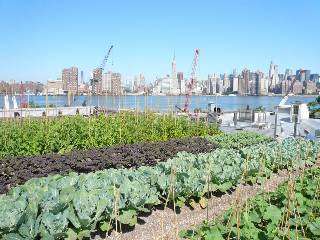
Eagle Street Rooftop Farm is a 6,000-Square-Foot NYC Project
With the growth of green roof projects, the construction industry can integrate eco-friendly building practices into their services.

'Feeder' from Studio Gang Turns an Overpass into a Greenhouse Garden
Urban planning professionals can explore how to integrate urban agriculture projects like 'Feeder' into their designs, fostering sustainable and resilient cities.
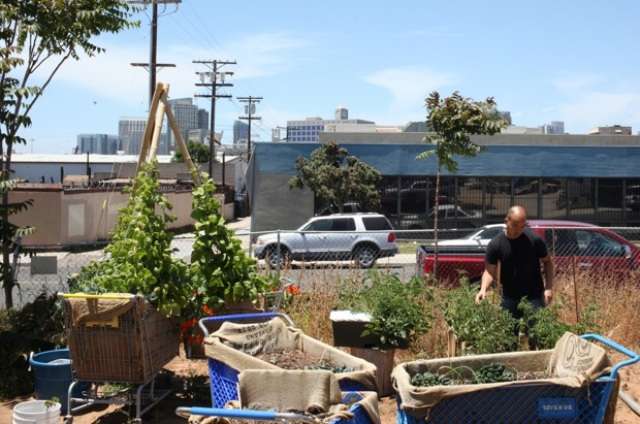
The Farm Proper Grows Groceries in Abandoned Shopping Carts
Opportunities for startups and established sustainable agriculture companies to explore the potential of mobile urban farming.