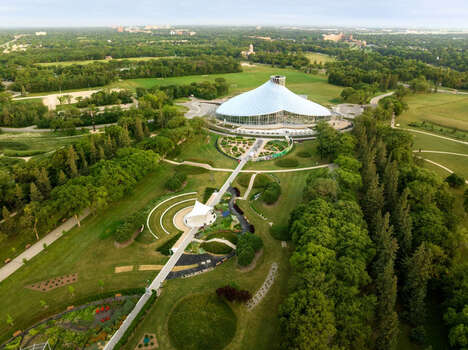
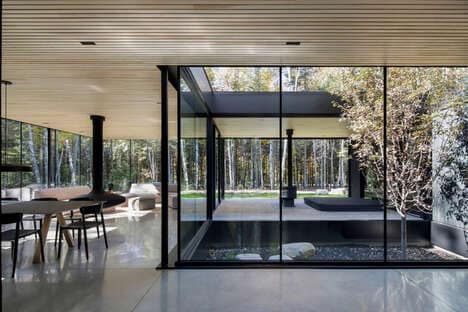
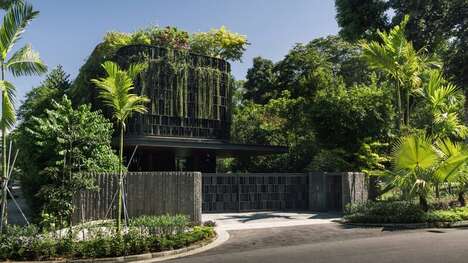
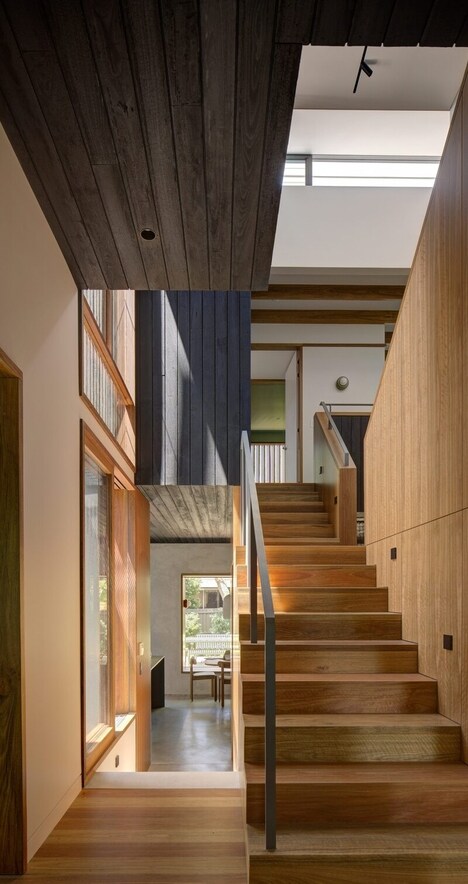
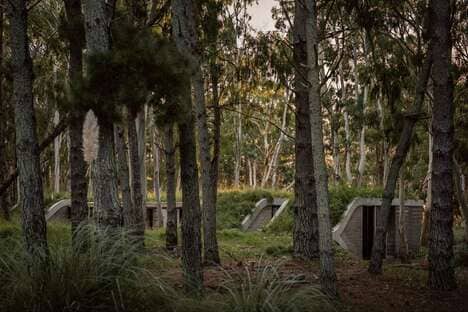
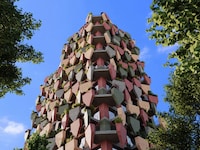
Hugh Rutherford photographed the Leaf House seen here, which was designed by Undercurrent Architects and is located in Sydney, Australia. The organic shape of the Leaf House is refreshing; in place of normal supports there are branch-shaped beams that twist and turn. The roof is a series of panels, giving the impression of a canopy. The Leaf House is a great example of blending modern technology with organic design.
Implications - Consumers today have begun to invest significant amounts of time and money into products that complement an eco-friendly lifestyle. A business that is capable of providing everyday items boasting green qualities will appeal to many consumers. Not only will its compassion for the well-being of the earth be portrayed, but it will also benefit by adapting its products to meet modern demands of consumers.
Key Themes Behind This Trend
- Organic Architecture
- The rise of eco-friendly architecture using organic shapes and materials, creating opportunities for sustainable real estate development.
- Blending Technology and Organic Design
- Opportunities exist for companies to innovate and incorporate modern technology within organic design principles, creating unique and sustainable products.
- Green Consumerism
- The increasing demand for eco-friendly products is creating opportunities for businesses to develop and market green products.
Where This Applies
- Real Estate Development
- Developers can adopt organic architecture to create sustainable and attractive buildings to meet eco-friendly consumers' demands.
- Interior Design
- Incorporating organic design principles and materials in interior design will appeal to the environmentally conscious market.
- Product Design
- Businesses can create eco-friendly products that meet consumers' demand for sustainable, green products to fit in with their lifestyle.