Category
Tech
Adaptive Gateways
Brands use Facebook apps to futher interactive campaigns.


What's Happening
Social Appvertising: Using social media to spread a brand’s message through Tweets, shares and “likes” may have been enough in the past. Now, however, companies are taking it one step further by using interactive applications in their campaigns. Facebook apps, in particular, are being employed by brands that wish to maximize consumer engagement to its highest level, whether it’s a design contest or experimenting with one’s skin color.
Evidence
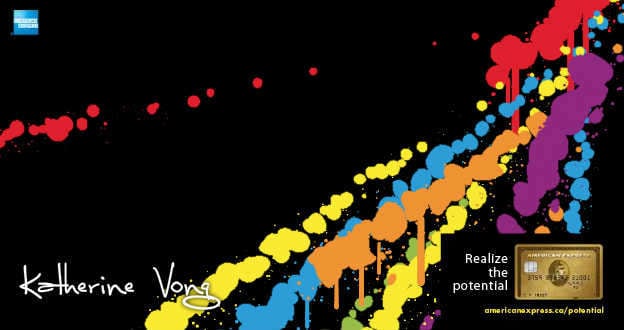
Create Your Own Ad with the AmEx Canvas Contest
Brands can leverage creative user-generated content through digital art contests to create engaging advertising campaigns.
Coke Zero Facial Profiler Application Finds Your Facebook Twin
Implementing innovative marketing strategies to differentiate brands and attract consumers.
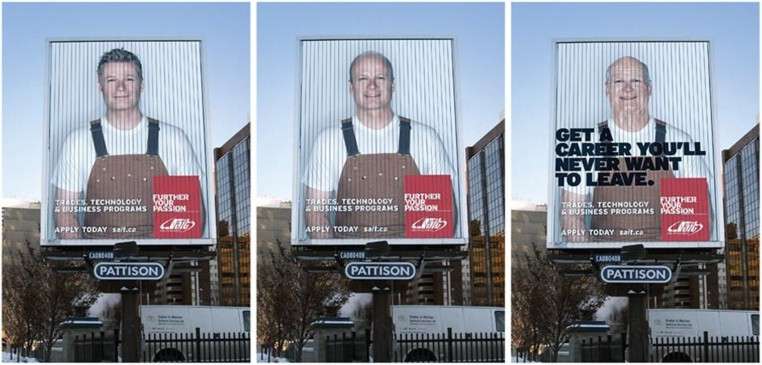
'Get a Career You'll Never Want to Leave' Outdoor Ad Campaign
The aging billboard trend can be adopted by the advertising industry to create innovative and attention-grabbing campaigns for their clients.
Umbro Holds a Photographic Competition to Keep England Beautiful
Sports brands can organize contests to engage with their customers, promote their products, and create brand loyalty.
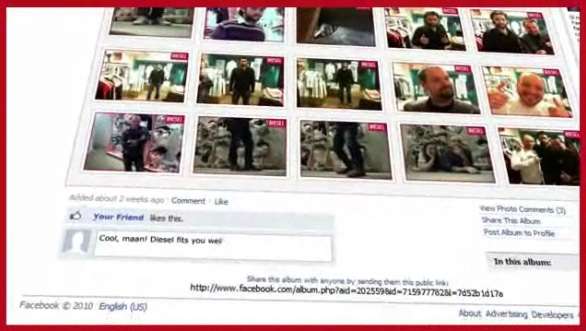
The Diesel Facebook Cam is for the Networking Shopaholic
Disruptive innovation opportunity: incorporating social media features and camera technology into fashion retail stores to enhance the shopping experience and drive customer engag…
Trend themes
Companies are using interactive applications in their campaigns to maximize consumer engagement.
Shops are connecting themselves to social networking tools to offer fun shopping experiences for their customers.
Companies are using social media platforms to host fun contests to engage their customers and promote their brand.
Industry implications
There are opportunities for businesses to create innovative and interactive advertising campaigns that maximize consumer engagement.
Retailers can incorporate social media into their business strategies by offering interactive shopping experiences and leveraging user-generated content to promote their products.
Marketers can promote brand awareness and customer engagement by creating social media contests that offer incentives such as VIP tickets, trips, and other rewards.
Trend signals
Trend score 5.1 out of 10, from popularity 77%, activity 67%, freshness 8%.