Category
Tech
Pocket Continuity
Consumer electronics anticipate needs across home mobile and wearables.
What's Happening
Proactive Objects: Everyday consumer electronics, from tablets to wearables, are moving beyond reactive commands to offer conversational support centered on memory, accessibility and convenience. Brands are prioritizing practical daily assistance over novelty, positioning AI as a personalized utility layer inside physical products.
Why It's Happening
Consumers are responsive to AI that solves concrete, everyday friction, such as remembering a name or detail, hearing a conversation more clearly, or getting a timely prompt at the right moment. People respond to these use cases because proactive support shows up at the moment help is needed, without being prompted. For brands, the opportunity lies in products that make AI feel ambient but purposeful, as long as the benefit is easily understood, fits existing habits, and intelligence isn’t added for its own sake.
Evidence
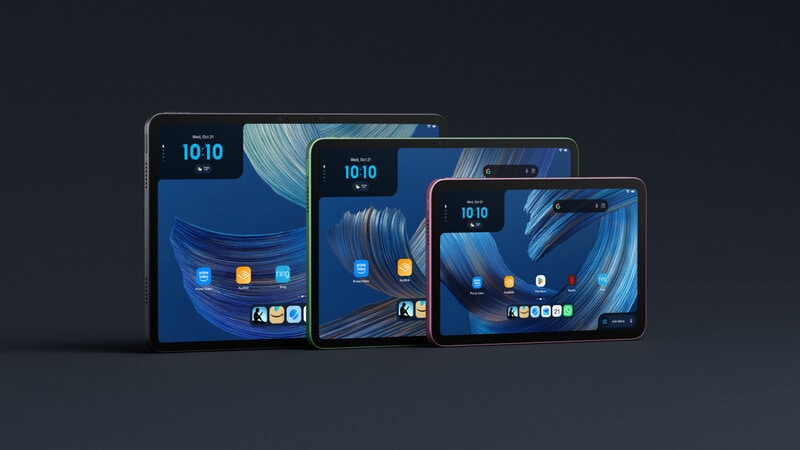
Amazon Introduces New Tablets with Built-In Alexa+
Tablet makers and device brands can differentiate hardware through integrated intelligence that turns commodity screens into adaptive personal companions.
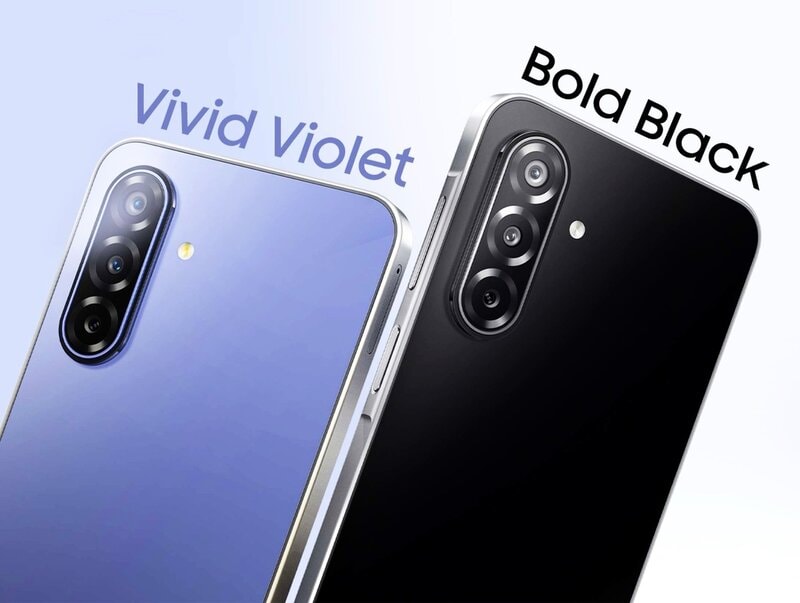
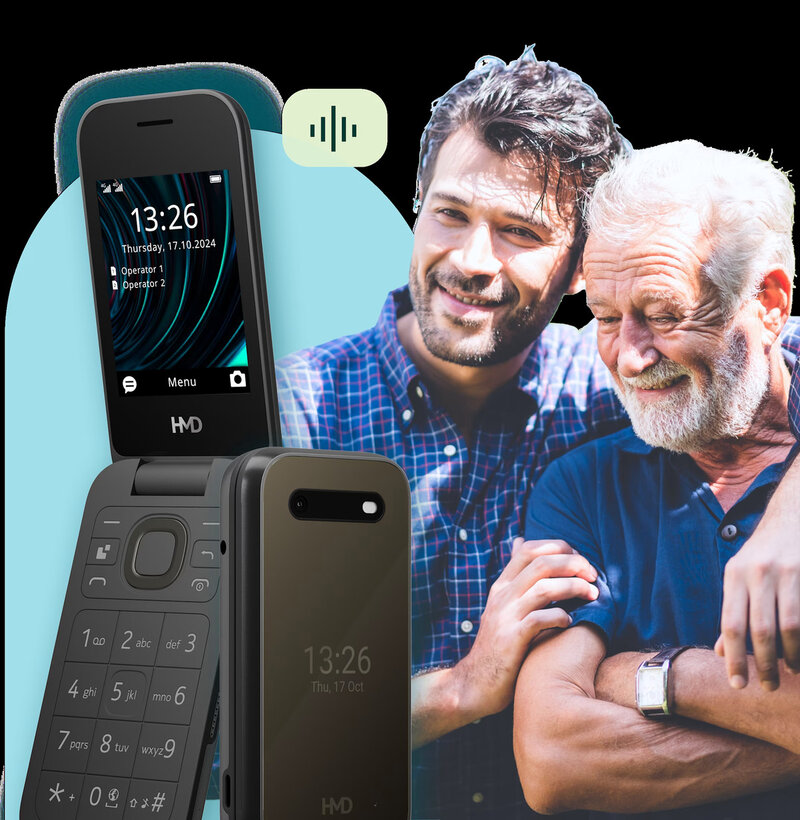
HMD Introduces a Senior Phone with Conversational AI
Senior-focused flip phones with embedded AI open differentiation paths beyond screen size, camera quality, and app ecosystems.
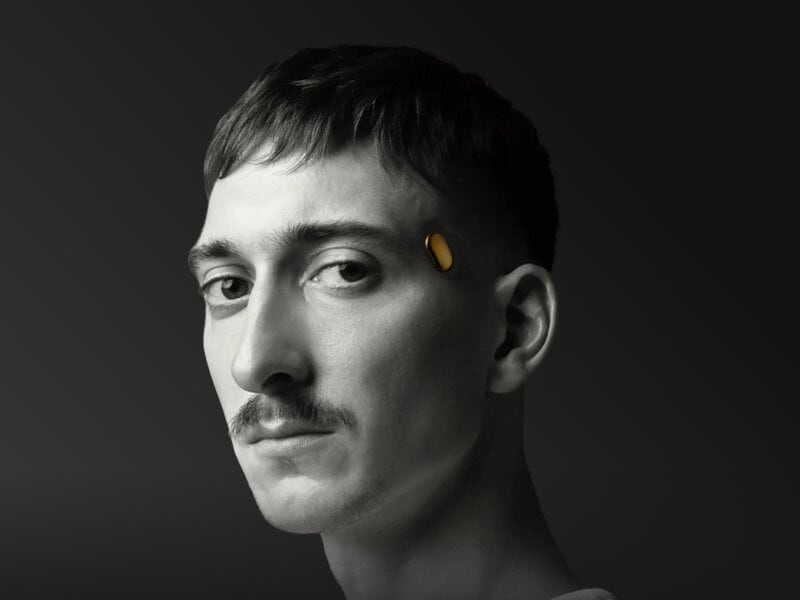
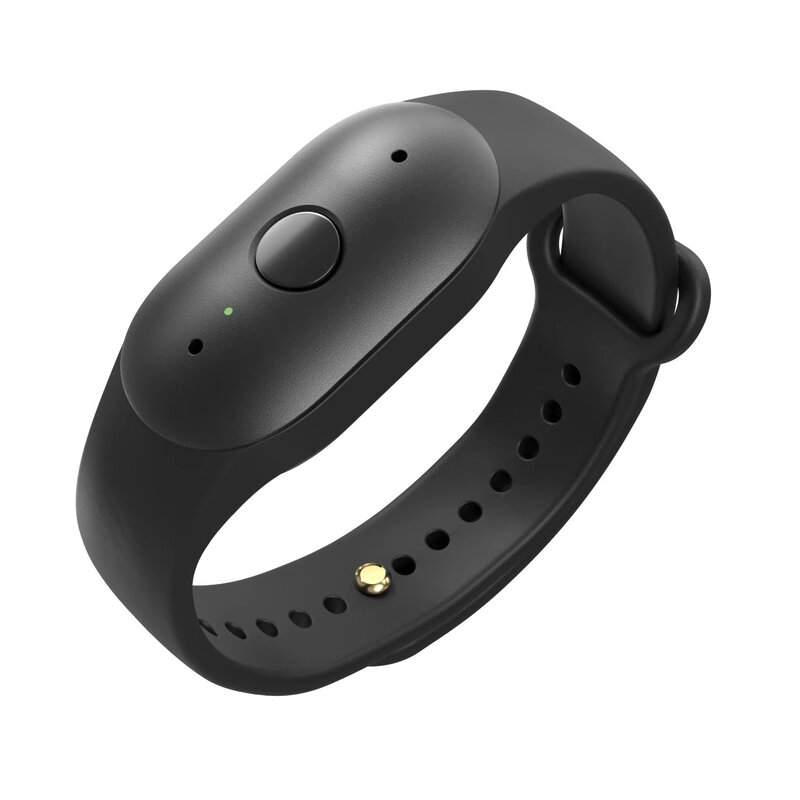
Bee Unveils Its First Amazon-Era Wearables with a $74.99 Frontier
Dedicated AI memory devices are adding new competitive pressure to wearables, smartphones, and accessories by turning ambient computing into an affordable retail product.
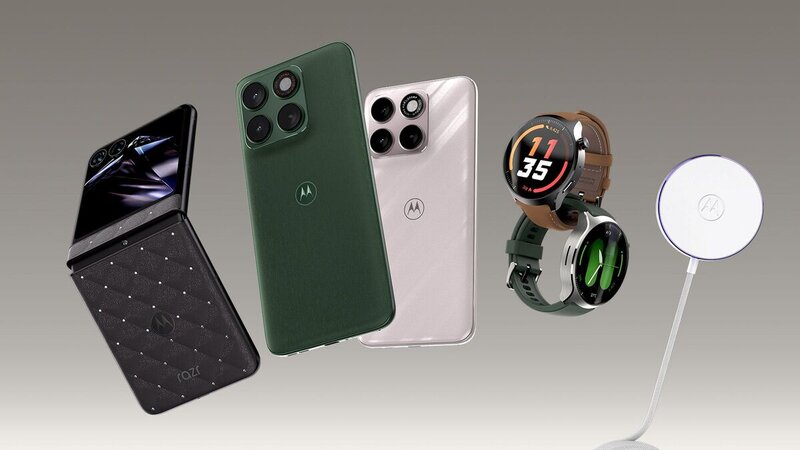
Motorola Expands moto ai Across Connected Experiences
Connected portfolios are reshaping device competition around integrated experiences rather than standalone specifications, expanding the role of software in product differentiatio…
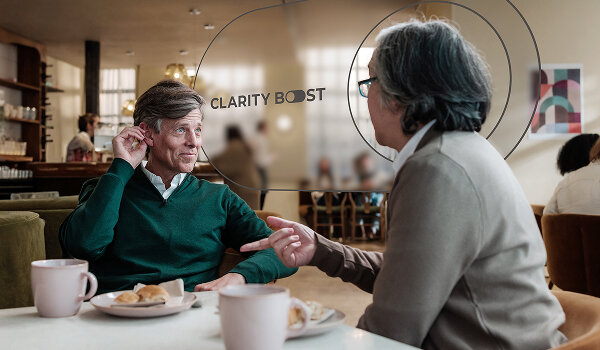
Widex Adds Tap-Activated Clarity Boost for Noisy Environments
The shift toward on-demand AI features opens differentiation potential for device makers competing on comfort, clarity, and wearer control.
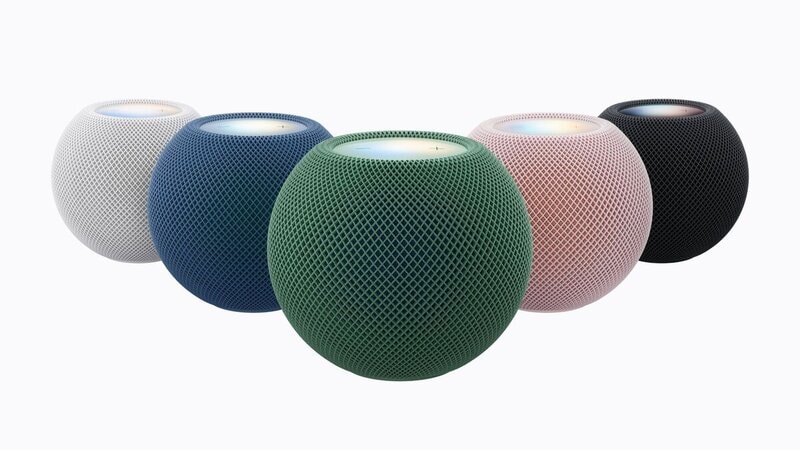
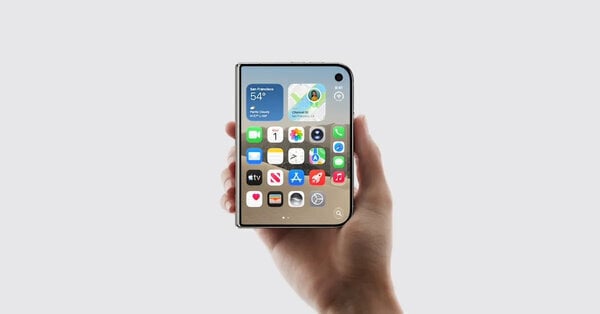
Apple's HomePod mini 2 Introduces Personalized Siri
AI-enabled speakers expand the role of home hardware from single-purpose audio devices into personalized control hubs for connected lifestyles.

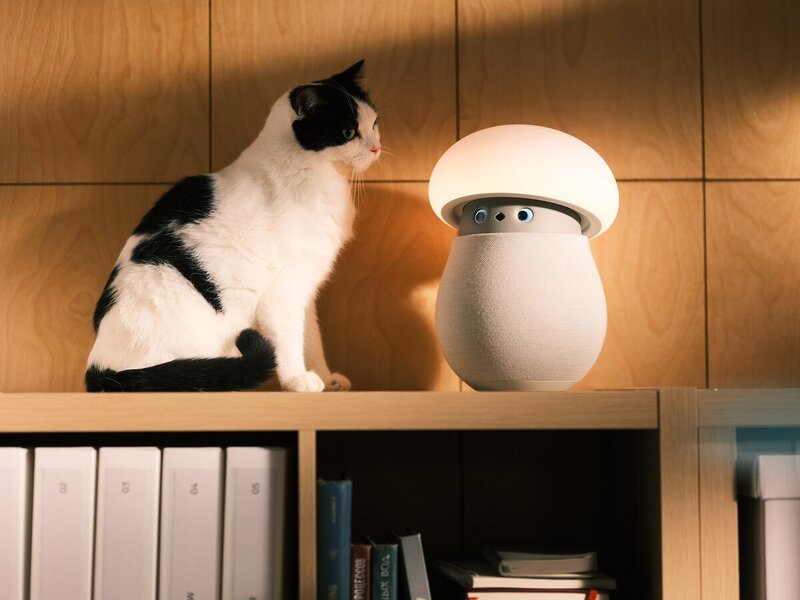
Mistlabs' Ambi Anticipates Tasks Without User Prompts
Workplace platforms can be reshaped by embedded assistants that prepare materials, surface insights, and reduce coordination friction during meetings and projects.
Workshop question
How could your brand make machine-led help feel useful and trustworthy in everyday moments?
Trajectory
Latest reading 8.1 for the week of Oct 12, 2026. Holding over the final 3 scored weeks (±0.0), at its peak of 8.1. Momentum 6.2/10, persistence 2.5/10, backed by 3 research findings.
11 Trend Hunter articles were grouped into the wider weekly cluster this trend was identified in, over 2 weeks.
 Intelligent Gaming MicrophonesShure's MV6 Gen 2 Adds Auto Level and Denoising
 AI-Optimized Conference BarsShure Improves Meeting Inputs for Enterprise AI
 Local-First AI HubsUGREEN Brings AI Processing and Smart Control into the Home
 AI-Powered Karaoke SystemsSingcore's S1 Pro Combines Singing, Recording and Sharing
Research
Concerned AI Adoption
Consumers are not adopting AI from pure enthusiasm; many are adopting it because it is becoming embedded in default interfaces.
This creates a new design challenge for brands: usefulness alone is no longer enough, because people want reassurance, transparency, and control while still taking advantage of convenience.
Concerned Adoption
AI is not landing as a frictionless convenience story.
People are using it because it is becoming embedded in everyday systems, but they are emotionally processing it as uncertain, destabilizing, and potentially disempowering. Brands that treat trust as a product feature, not a messaging afterthought, will be better aligned with consumer sentiment.
Adoption Without Affection
Consumers are embracing AI instrumentally, not emotionally.
They use it because it is available, efficient and increasingly embedded in everyday tools, but many still worry about bias, privacy, control and social consequences. That means adoption is not the same thing as trust, and brands cannot mistake utility for affection.